
Collection: Planters & Pots
Buy the plant first, then the pot. Measure the nursery pot it arrived in and go one size up, no more: a pot too big holds wet soil around roots that cannot drink it yet. Check for a drainage hole before you fall for the shape.

-
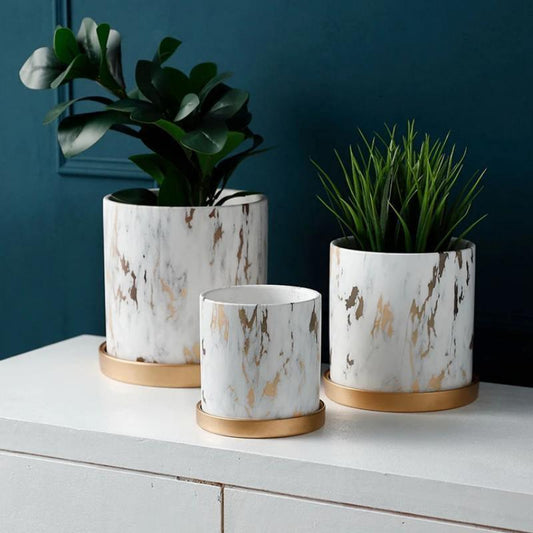
Ceramic Tabletop Planter with Gold Maze Pattern
Regular price From $34.95 USDRegular price -
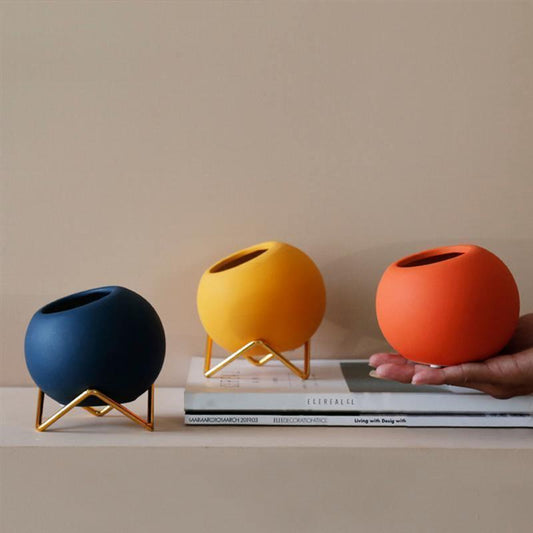
Ceramic Planter Pot with Galvanized Steel Stand
Regular price $27.00 USDRegular price -
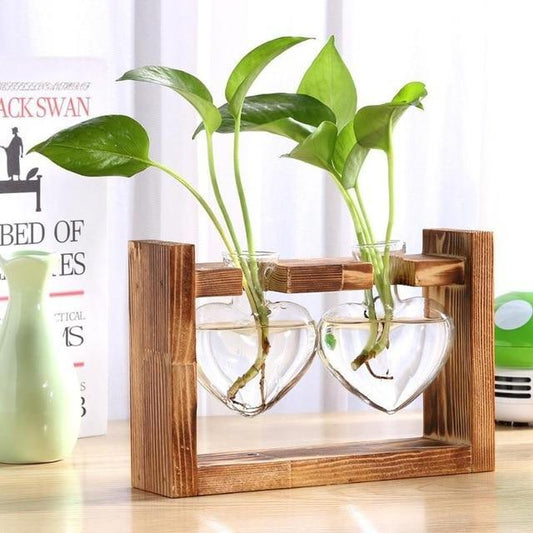
Heart Shaped Glass and Wood Propagation Vase
Regular price From $29.95 USDRegular price -
Coated Fabric Planter Basket with Fold Down Rim
Regular price From $25.97 USDRegular price -
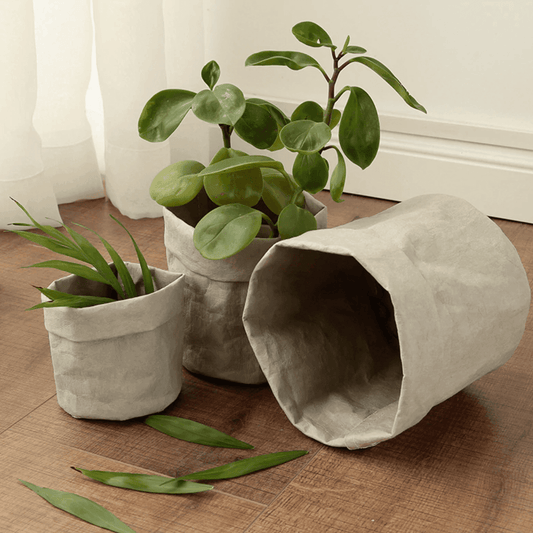
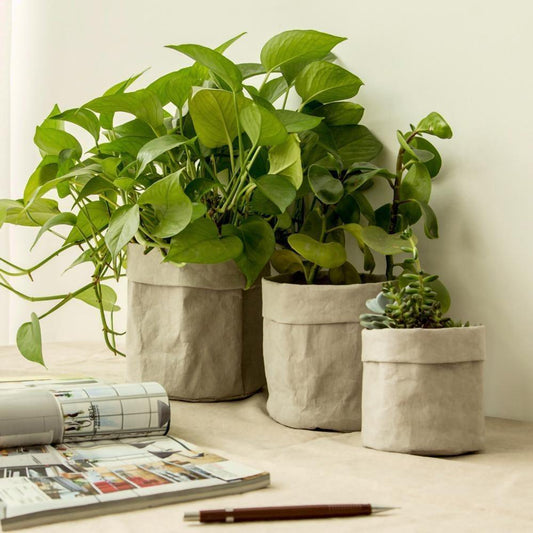
Water Resistant Paper Planter Pouch in Three Sizes
Regular price From $26.97 USDRegular price -
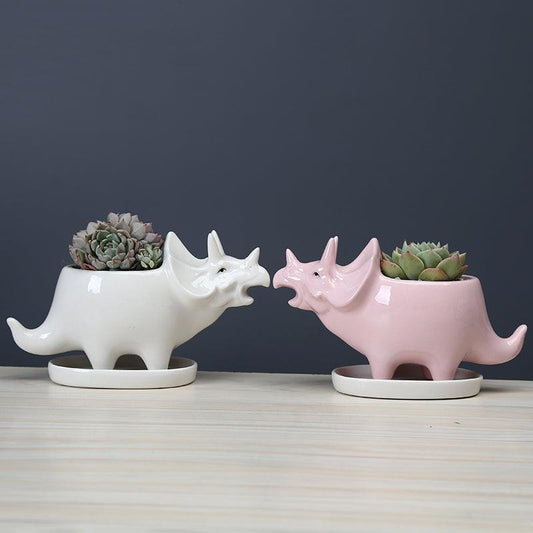
Triceratops Ceramic Succulent Planter with Drainage Tray
Regular price From $44.97 USDRegular price -
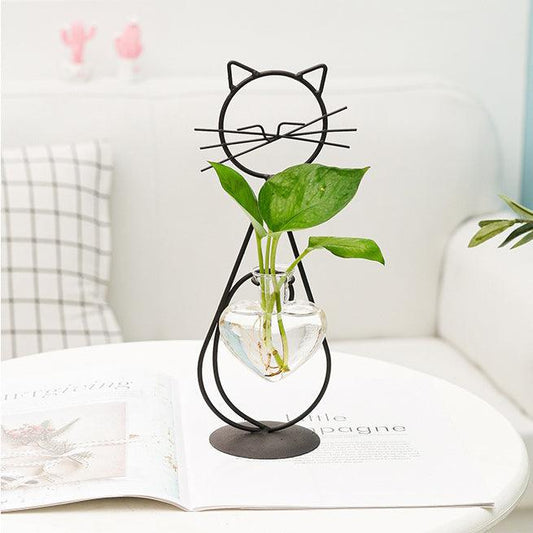
Iron Cat Stand with Heart Glass Propagation Vase
Regular price From $27.97 USDRegular price -
Pink Flamingo Succulent Pots, Set of 2
Regular price $45.97 USDRegular price -
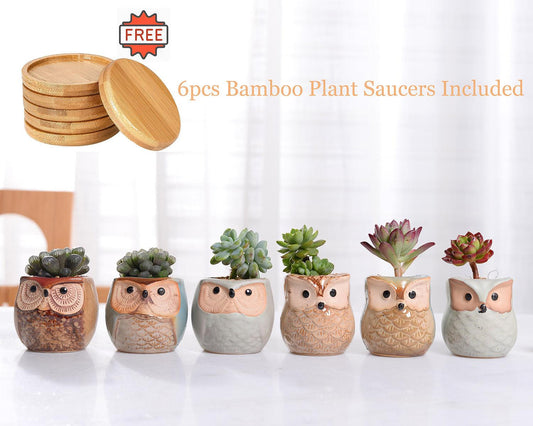
Mini Owl Ceramic Planters, Set of 6
Regular price $114.97 USDRegular price -
White Ceramic Face Planters, Set of 2
Regular price $44.95 USDRegular price -
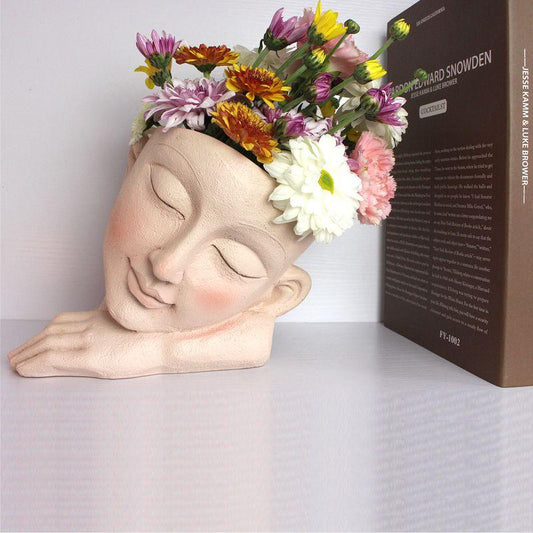
Sleeping Greek Face Planter in Recycled Resin
Regular price $58.97 USDRegular price -
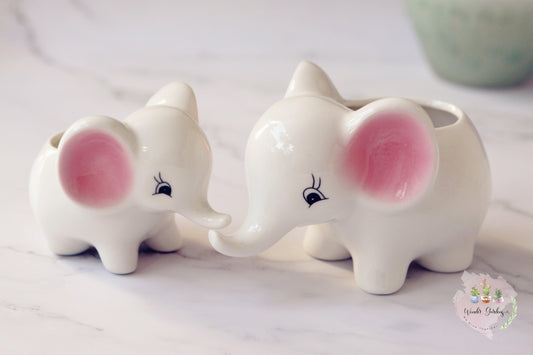
Ceramic Elephant Plant Pot with Drainage Hole
Regular price From $25.97 USDRegular price -
Glazed Terracotta Teardrop Planter with Metal Stand
Regular price $104.97 USDRegular price -
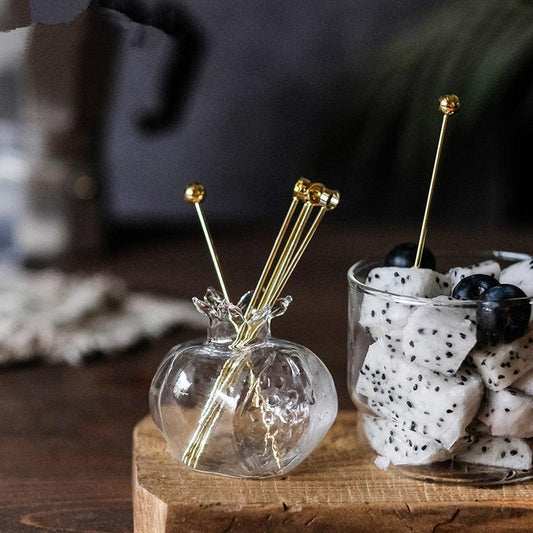
Pomegranate Borosilicate Glass Propagation Vase
Regular price From $22.97 USDRegular price -
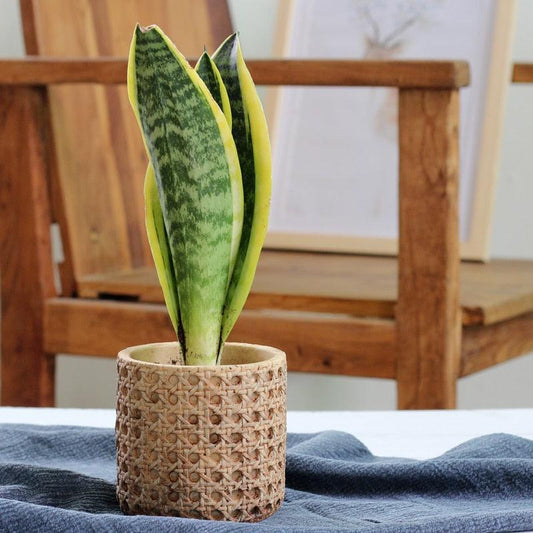
Concrete Planter with Woven Rattan Texture, Three Sizes
Regular price From $93.00 USDRegular price -
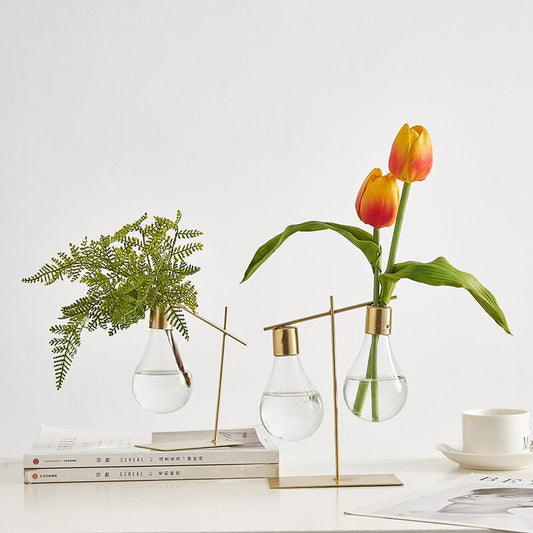
Light Bulb Propagation Vase on Gold Iron Stand
Regular price From $49.97 USDRegular price -
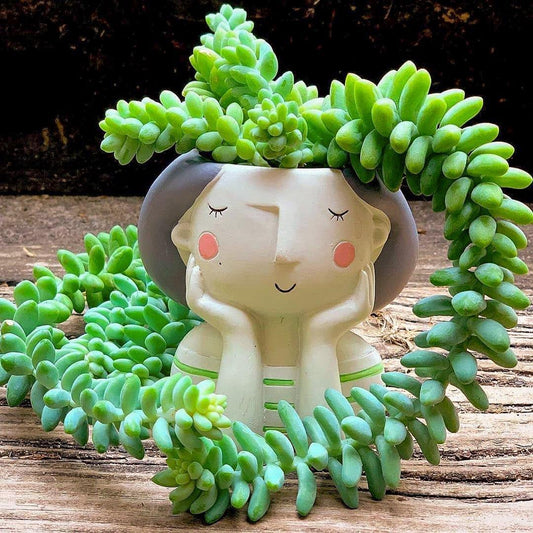
Caricature Face Sculpture Planter, Eight Characters
Regular price From $55.97 USDRegular price -
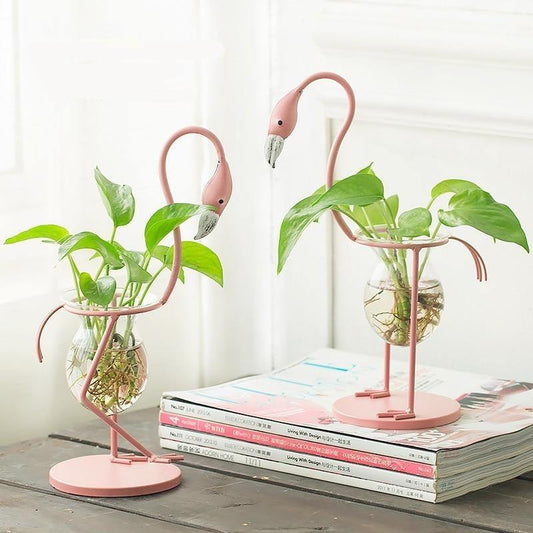
Flamingo Propagation Station with Glass Bulb Vase
Regular price From $31.97 USDRegular price -
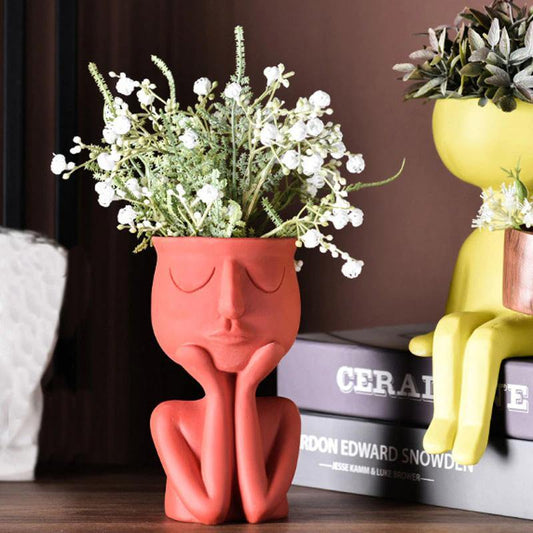
Ceramic Face Planter with Resting Hands, Four Colors
Regular price $24.00 USDRegular price -
Patterned Plant Pot with Drainage Hole and Plug
Regular price $27.95 USDRegular price -
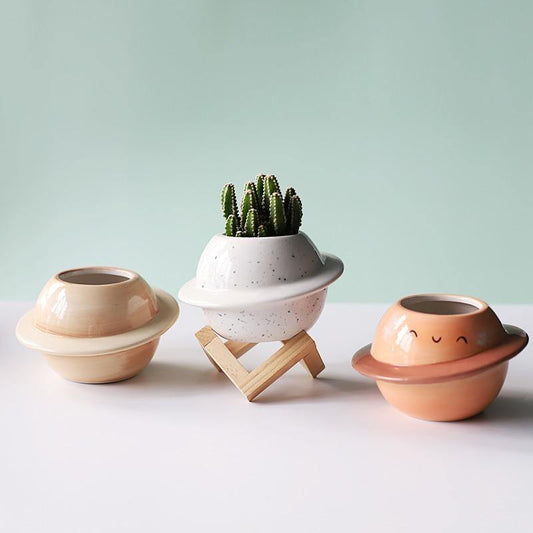
Planet Shaped Mini Ceramic Planter for Succulents
Regular price From $34.95 USDRegular price -
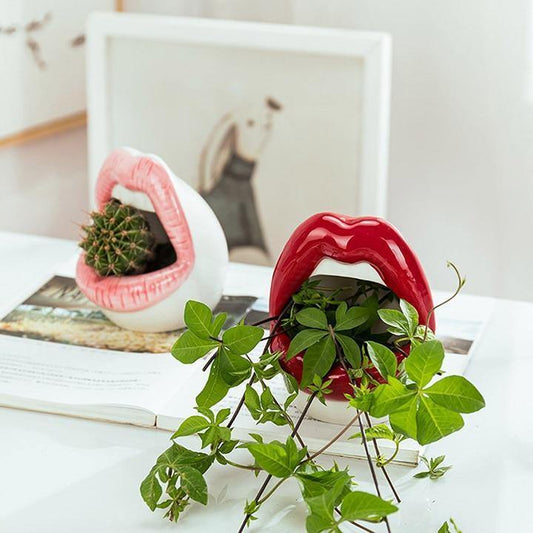
Lips Ceramic Planter for Small Succulents and Cacti
Regular price $44.97 USDRegular price -
Lighted Propagation Vase with Glass Bowl, 8 in
Regular price $97.97 USDRegular price -
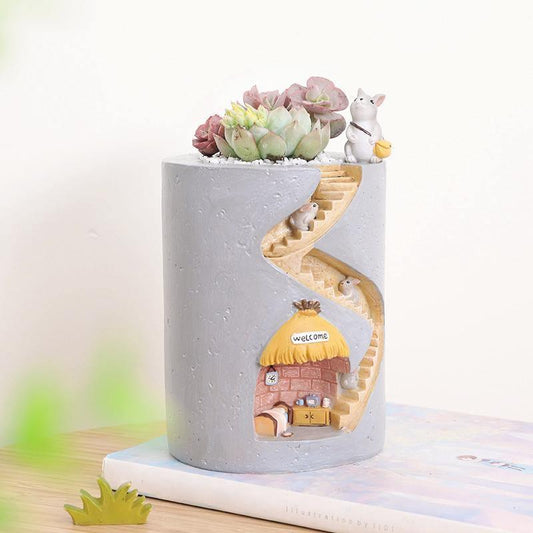
Animal Burrow Planter Pot in Resin, Hedgehog or Rabbit
Regular price $49.97 USDRegular price

























The pot decides how often you water
A pothos in a 4 inch (10 cm) pot on a sunny sill wants water about twice a week. Move the same plant into an 8 inch (20 cm) pot and it is sitting in roughly eight times the soil, which can go ten days between drinks. The plant did not change. The container did, and the container is what you are actually choosing.
Two properties do most of the work: how much soil the pot holds, and whether its walls let water out. Terracotta is porous, so it dries the root ball from the sides as well as the top. Glazed ceramic, plastic and metal are sealed, so the only exits are the surface and the drainage hole. That single difference is why the same watering habit rots a fern in one pot and leaves it thirsty in another.
So pick the pot around two things you already know: the plant, and the light in the room it will live in. A sun facing window and a porous pot forgive heavy watering. A north facing corner and a glazed pot do not.
What size pot does your plant actually need
The nursery rule is one to two inches (2.5 to 5 cm) of fresh soil around the root ball, and no more. Under 10 inches of plant, step up one inch in diameter. Above that, two.
Jumping three sizes at once is the most common way to kill a healthy houseplant. The roots cannot reach the outer ring of soil for months, that ring stays saturated for a week after each watering, and rot starts in the part of the pot the plant never touched. Pot sizes are quoted as the diameter across the top rim, not the height, which is worth knowing before you order anything by number alone.
| Pot it is in now | Step up to | Soil it will hold | Typical resident |
|---|---|---|---|
| 2 in (5 cm) plug | 3 to 4 in (8 to 10 cm) | Under a cup | Rooted cutting, single succulent, small cactus |
| 4 in (10 cm) | 6 in (15 cm) | About 1 quart (1 L) | Pothos, peperomia, kitchen herbs |
| 6 in (15 cm) | 8 in (20 cm) | About 2.5 quarts (2.4 L) | Calathea, young monstera, snake plant |
| 8 in (20 cm) | 10 in (25 cm) | About 5 quarts (4.7 L) | Rubber plant, dracaena, a bushy fern |
| 10 in (25 cm) | 12 in (30 cm) | About 2.5 gallons (9 L) | Fiddle leaf fig, mature monstera |
| 12 in (30 cm) | 14 in (36 cm) | About 4 gallons (15 L) | Floor plants, small indoor tree |
Drainage, and the pot with no hole in it
A hole in the base is the difference between a pot and a bowl. Without one, every drop you pour stays until it evaporates, and the bottom inch of soil becomes a reservoir the roots have to sit in.
The gravel layer everyone recommends does not fix this. Water will not cross from fine soil into coarse gravel until the soil above is completely saturated, so a gravel layer lifts the wet zone closer to the roots instead of draining it away. If a pot has no hole, either drill one with a masonry bit at low speed with water running on the glaze, or stop planting into it and use it as a sleeve.
Used as a sleeve, a hole free pot is genuinely useful. The plant stays in its plain nursery pot, you lift it out, water it at the sink, let it drain for five minutes and put it back. Nothing sits in runoff, and you can swap the plant out in seconds when it outgrows the spot. A saucer does the same job for a pot that drains: catch the runoff, then empty it within half an hour rather than letting the pot stand in it.

Terracotta, glazed ceramic, plastic or concrete
Material is not a finish decision. It sets how fast the soil dries, how much the pot weighs once it is full, and whether it survives a winter outdoors.
| Terracotta | Glazed ceramic | Plastic | Concrete | |
|---|---|---|---|---|
| How fast soil dries | Fast, the walls evaporate too | Slow | Slowest | Moderate |
| Suits | Succulents, cacti, herbs, anything you overwater | Ferns, calatheas, tropicals that hate drying out | Nursery pots hidden inside something better looking | Large plants and anywhere wind would tip a pot |
| Weight once planted | Moderate | Heavy | Light, tips with a tall plant | Very heavy, decide where it goes before you fill it |
| Left out through frost | Cracks, water in the clay expands | Cracks unless it is sold as frost proof | Goes brittle and splits after a couple of winters | Survives if it drains |
| White crust on the outside | Yes, salts pass through the clay | No | No | Yes, and it comes off with vinegar |
Why succulent pots are so small
A 2 inch echeveria in a 6 inch pot looks better on the shelf and is far more likely to die. Succulent roots are shallow and spread sideways, so the deep column of soil under them never dries, and the plant rots from the base while the leaves still look fine.
Match the pot to the plant, not to the shelf. A rosette wants a pot about half an inch wider than its own spread and no deeper than it is wide. If you want presence, group several small pots rather than moving one plant into a large one. Three pots of different heights in a row read as deliberate; one lonely succulent in a wide bowl reads as a mistake.

Cleaning a pot before you plant in it again
Two things build up on a used pot, and they need different treatment. The white crust is mineral salt from fertilizer and hard tap water, left behind as the water evaporates through the clay. The invisible problem is what the last plant left: fungal spores and bacteria survive on a dry pot for months, and damping off in a tray of seedlings usually comes from the container rather than the seed.
For the crust, soak in one part white vinegar to three parts water for half an hour, then take a stiff brush to it. For anything that had a sick plant in it, follow with ten minutes in one part household bleach to nine parts water, then rinse well. Terracotta soaks up whatever it sits in, so rinse it twice and let it dry all the way through before planting, since a bone dry pot will otherwise pull moisture straight out of fresh soil.
Do this at the end of the season rather than the start. A stack of pots that came in from the garden in October cleans in twenty minutes while the soil is still soft, and turns into an afternoon of scraping by March.
When to repot, and when to leave it alone
Four signs say the pot is finished: roots pushing out of the drainage hole, water running straight through in a few seconds, the plant drying out within two days of watering, and soil that has shrunk away from the wall so water runs down the gap instead of soaking in.
Early spring is the moment, because the plant is about to put on growth and will fill new soil rather than sit in it. Do not repot the week you bring a plant home. It has just changed light levels, humidity and temperature, and giving it two to four weeks to settle first costs you nothing. Some plants also flower better slightly root bound, so a peace lily or a hoya that has stopped blooming does not necessarily want more room.
Most houseplants want this every 12 to 18 months while young, then every two to three years once they reach the size you want them at. After that you refresh the top two inches of soil each spring and leave the roots alone.
You are buying a volume, not a silhouette
Everything above comes back to the same measurement. A pot is a measured amount of water held next to a set of roots, and the shape you like is a wrapper around that quantity. A tall narrow pot and a low wide one of the same diameter hold very different amounts, and the plant answers to the amount.
Which is also why a pot outlives its first occupant. The plant you buy it for will double, stall or die, and the pot will still be there. Buy the volume you will keep using, in a material that suits the room it stands in, and the next plant fits in without another purchase.
Common questions
How do I choose the right size pot for my plants?
Measure the root ball and add one to two inches (2.5 to 5 cm) of soil around it. A 4 inch nursery pot goes into a 6 inch pot, not a 10 inch one. Anything larger leaves a ring of soil the roots cannot reach for months, and that ring holds water long enough to rot them. If you are between two sizes, take the smaller.
Does pot size determine plant size?
Partly, and less than people hope. A pot that is too small does cap a plant, because roots circling the wall stop taking up water and the top growth stalls. But a larger pot does not make a plant grow faster. Light and feeding do that. Step up one size when the roots have filled the current pot and let the plant set the pace.
What does a 12-inch pot mean?
It is the diameter across the top rim, not the height and not the depth. A 12 inch pot usually stands 10 to 12 inches tall and holds around 2.5 gallons (9 L) of soil. Nursery stock is often sold by volume instead, so a 2 gallon shrub arrives in a pot roughly 8 to 10 inches across. If a listing is vague, go by the rim measurement.
Can you plant in pots without drainage holes?
You can, but the plant has no margin for error, since everything you pour stays in there until it evaporates. Water in small measured amounts, around a tenth of the pot volume, and check the soil with a finger instead of following a schedule. Succulents and cacti cope with it worst, ferns best. The easier route is to leave the plant in its nursery pot and drop that inside the decorative one.
What can I put in the bottom of my planter without drainage holes?
Gravel or clay pebbles are the standard answer and they do less than you would think. Water will not move from fine soil into coarse gravel until the soil above is saturated, so the layer raises the wet zone rather than draining it. If you build a reservoir anyway, use lava rock or clay pebbles, keep enough soil depth that roots stay above the waterline, and add a handful of horticultural charcoal to stop standing water turning sour. Drilling a hole with a masonry bit at low speed is still the reliable fix.
Why are plant pots sold without drainage holes?
Most of them are cachepots, decorative outers made to hide a plain nursery pot. A sealed base glazes cleanly, will not mark a windowsill and will not need a saucer, which is why the style sells so well. Use it the way it was designed: as a sleeve around the pot the roots actually live in.
Why are my terracotta pots turning white?
The white film is mineral salt from fertilizer and hard tap water, carried through the porous clay and left on the surface as the water evaporates. It means the pot is doing its job, not that it is faulty. Scrub it with a stiff brush after half an hour in one part white vinegar to three parts water, then rinse and dry. On a pot that wintered outdoors, check for hairline cracks while you are at it, because freezing water inside the clay is what splits terracotta.
