
Collection: Wellness
Small devices aimed at the body rather than the room. Massagers, warmers and personal comfort pieces. These are comfort objects and not medical devices: nothing here treats a condition, and nothing here replaces seeing someone who can.

-
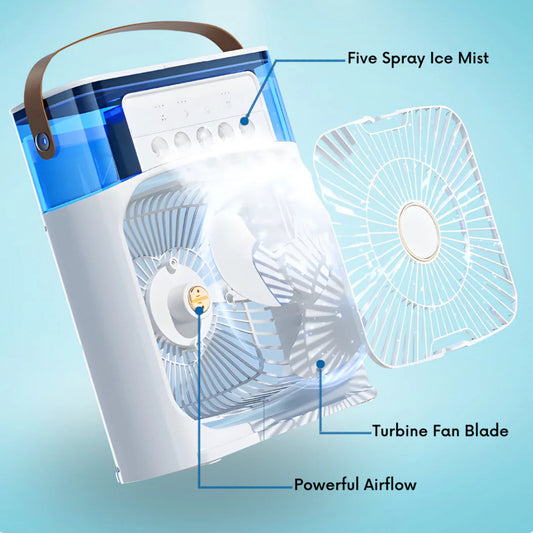
Portable Misting Fan for Patio and Garden
Regular price $39.00 USDRegular price -
Bladeless Clip On Portable Fan, Three Speeds
Regular price $29.95 USDRegular price -
Adjustable Folding Pedicure Footrest with Fan
Regular price $39.00 USDRegular price -
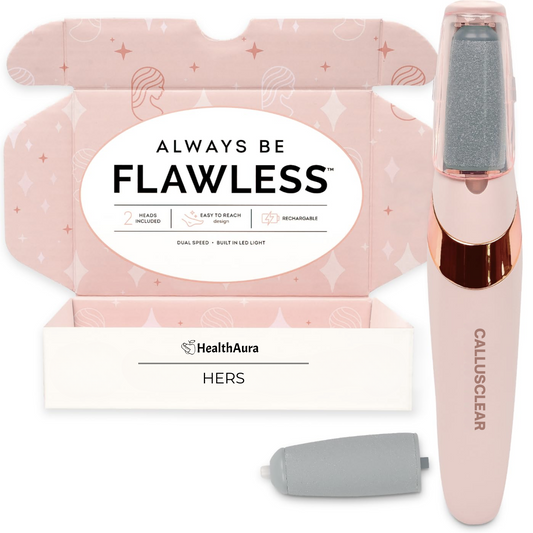
Electric Callus Remover for Feet, Two Colors
Regular price $49.95 USDRegular price -
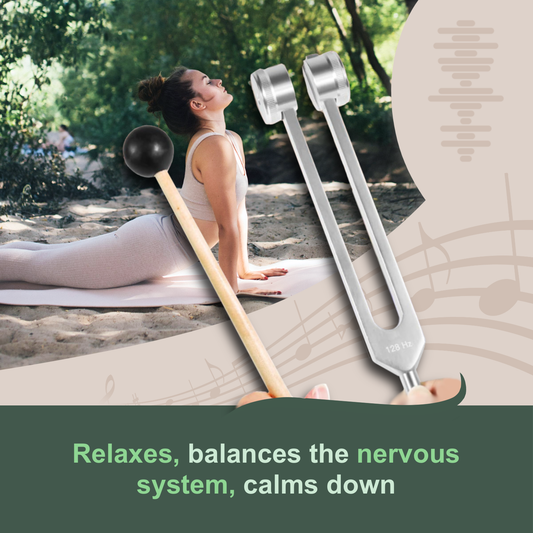
Weighted 128 Hz Tuning Fork with Mallet, 7.9 in
Regular price $39.00 USDRegular price -
Cordless Electric Scalp Massager, 10 or 20 Heads
Regular price From $44.95 USDRegular price -
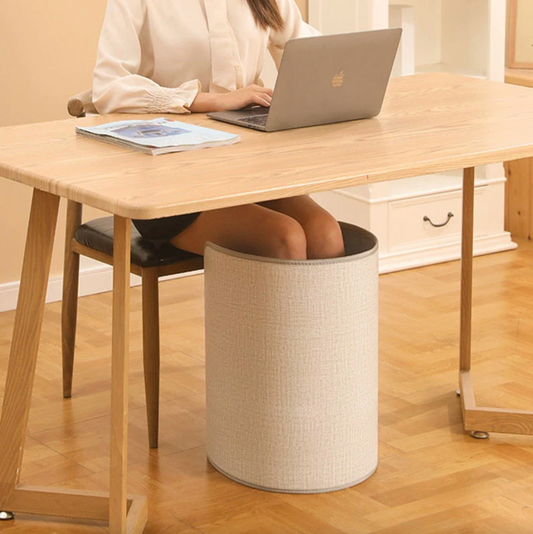
Under Desk Heated Foot Warmer with Timer, 3 Levels
Regular price $69.00 USDRegular price -
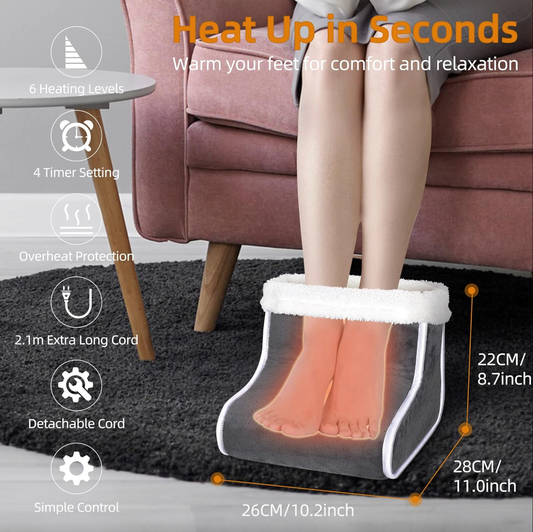
Electric Heated Foot Warmer with Six Heat Levels
Regular price $49.00 USDRegular price -
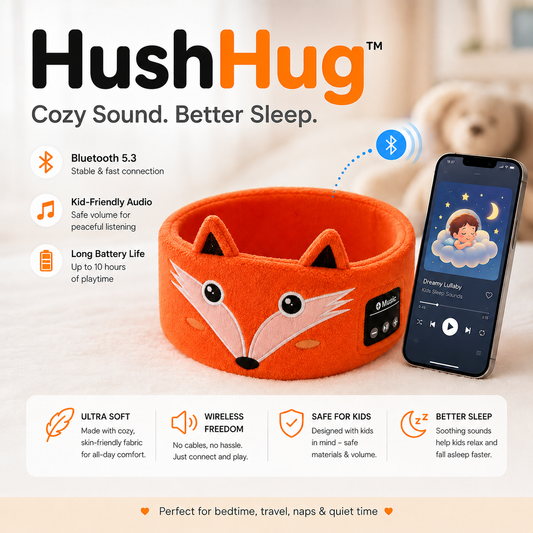
Kids' Fleece Sleep Headband with Bluetooth Speakers
Regular price $39.00 USDRegular price










What these objects do, and what they do not
Everything in this collection is a comfort object. None of it is a medical device, none of it treats, cures or relieves a condition, and nothing here stands in for a doctor. A heated mat warms your feet. A fan moves air across your skin. A mask blocks light and presses gently on the bones around your eyes. Those are physical effects you can feel inside a minute, and they are the whole of what is on offer.
That distinction matters because this category is full of language that claims a great deal more. If a symptom keeps returning, or a pain has a pattern to it, no object on this page is the answer and buying one mostly delays the appointment. What these are genuinely good for is ordinary discomfort: a cold room, a bright hallway, a long afternoon in the same chair. Judged on that, they hold up.
Heat the person, not the room
A 1,500 watt space heater warms a whole room and bills you for a whole room. Run one eight hours a day and it uses 12 kilowatt hours daily, near 360 kilowatt hours across a month. At 17 cents a unit that is around 61 dollars added to the bill, for a room you are occupying about three feet of.
Heating the person instead changes the arithmetic completely. An under desk warmer or a heated foot mat draws somewhere between 50 and 150 watts. Take 100 watts and the same eight hours a day and you are spending roughly 24 kilowatt hours a month, or four dollars. It warms a far smaller volume of air, which is precisely why it costs so little, and it works because cold feet are what most people actually mean when they say a room is cold.
The catch is that it heats only what it touches. Stand up and you are back in the same cold room. If the whole space has to be usable, a personal warmer is the wrong tool and no amount of wattage fixes that.

What each kind of comfort object actually changes
Each of these changes exactly one physical variable. Reading the column on the right is the fastest way to work out which one belongs in your house, because it says where each type stops working.
| Object | What it physically does | Felt within | Where it disappoints |
|---|---|---|---|
| Heated mat or foot warmer | Warms the surface your skin rests against | Two to five minutes | The second you stand up |
| Plain fan | Moves air so sweat evaporates faster | Seconds | In air already close to body temperature |
| Mist fan | Adds water to moving air, which cools by evaporation | A minute or two | In humid air, where evaporation has nowhere to go |
| Weighted mask or soft headband | Blocks light and applies even pressure | Immediately | On a side sleeper, where it shifts by morning |
| Hand held massager | Moves skin and hair against the scalp | Immediately | It is a sensation, not a treatment |
| Tuned metal instrument | Produces a tone you hear and feel through the handle | Immediately | Anything claimed past the sound itself is unproven |
Cooling, and what a mist fan really does
A plain fan does not lower the temperature of a room by a single degree. It moves air across your skin so sweat evaporates faster, and evaporation is what carries heat away from you. Which is why a fan blowing across an empty room is a small heater with extra steps: the motor adds a little warmth and does nothing else.
A mist fan puts water into that stream. In dry air the droplets evaporate before they land and the air reaching your skin really is a few degrees cooler. In humid air they do not evaporate, they land, and you end up damp rather than cool. Past roughly 60 percent relative humidity the effect falls away sharply, and in a closed room you are raising the humidity yourself, which makes the second hour worse than the first.
So the honest rule for a mist fan is open window, dry climate, or outdoors. Sealed inside a humid room, run it dry as an ordinary fan and leave the tank empty.

Weight and pressure, and why they feel like something
Weighted masks, snug headbands and hand massagers all trade on the same thing: steady even pressure is easy to notice and easy to stop noticing at the same time. It occupies a small amount of attention quietly. That is a description of a sensation and nothing more, because the research behind the bigger claims made for these objects is thin and mostly funded by the people selling them.
Two practical notes. A mask should rest on the bone around the eye socket and never on the eyeball; if your vision is blurry for a minute after you take it off, it was too tight and needs a looser strap. And anything worn against skin and hair has to be washed on a schedule, because scalp oil and skin cells build up in silicone and fabric within a couple of weeks. Rinse a silicone massager under warm water after every use and give it soap and a proper scrub once a week.
Running anything that heats, without setting fire to the house
Heating appliances are the one part of this category carrying a real hazard, and the failure is nearly always the same two stories: something flammable sat too close, or a cord was asked to do a job it was never rated for. The rules below are boring and they are the whole of the safety picture.
| Rule | Why it exists |
|---|---|
| Plug straight into a wall outlet | Power strips and extension cords are often rated below a 1,500 watt draw and overheat at the plug |
| Keep 3 feet (91 cm) clear on every side | Curtains, bedding and stacked paper are what catch, not the appliance itself |
| Stand it on a hard floor, never on a rug or bedding | Soft surfaces block the vents underneath and trap heat inside the housing |
| Switch it off when you leave the room or fall asleep | Most heating fires start in rooms where nobody is awake |
| Use the timer if there is one | A timer turns the rule above into something you do not have to remember |
| Feel the cord after an hour of use | A cord warm to the touch is undersized for the load and belongs in the bin |
You do not need a wellness room
The magazine version is a spare room holding a mat, a low lamp and nothing else. Most people have no spare room, and most of the ones who build it are storing suitcases in there by spring.
A corner does the same work. A chair that faces away from the door, a lamp at table height instead of the ceiling fixture, something warm under your feet, and a rule that the phone stays on the far side of the room. The objects here are deliberately small: each changes one physical variable, and a corner rarely needs more than two of them running at once.
Start from the thing you complain about out loud. Cold feet at four in the afternoon, a hallway that is too bright at midnight, a bedroom that goes stuffy by two. Fix that one, live with it a fortnight, then decide whether you want any of the rest.
Common questions
Do weighted eye masks actually help you sleep?
Reports are mixed and the published research is thin. What a weighted mask reliably does is block light and apply even pressure across the bone around the eyes, and whether that helps you drop off is a matter of personal preference rather than a proven effect. Treat it the way you would treat a heavier blanket, as a comfort you either like or do not. If you have a sleep problem that keeps returning, that belongs with a doctor and not with a purchase.
What are the downsides of wearing eye masks while sleeping?
Three real ones. A strap tightened too far presses on the eyeball, which is uncomfortable and can leave your vision blurry for a minute after you remove it. Fabric and silicone held against skin all night collect oil and skin cells, so an unwashed mask becomes a problem within a couple of weeks. And a side sleeper usually finds the mask has slid halfway off by morning, which means the light it was blocking came back at some unknown hour.
Do misting fans actually cool the air?
In dry air, yes, by a few degrees, because the droplets take heat with them as they evaporate. In humid air they barely evaporate at all, so the air arriving at your skin is the same temperature and slightly wetter. The effect drops off sharply above about 60 percent relative humidity. Outdoors in a dry climate a mist fan earns its tank, and in a sealed humid room it does not.
What are the downsides of using a mist fan?
It raises the humidity of the space it is in, which in a closed room means the second hour is less comfortable than the first. Standing water in a tank needs emptying and rinsing every few days or it grows a film. Fine mist settles on whatever sits within a few feet, so keep paper, laptops and speakers out of the arc. And in high humidity you get damp rather than cool, which is the opposite of the point.
How much will a space heater raise my electric bill?
For a 1,500 watt unit, work in kilowatt hours: it uses 1.5 for every hour it runs. Eight hours a day is 12 kilowatt hours daily and around 360 across a month, which at 17 cents a unit lands near 61 dollars. A 100 watt personal warmer over the same schedule uses about 24 kilowatt hours a month, or roughly four dollars. The gap between those two numbers is the entire argument for heating the person instead of the room.
Is it cheaper to use a space heater or turn on the heat?
It depends on how much of the house you are heating. Electric resistance heat costs more per unit of warmth than most central systems running on gas, so heating a whole house with plug in heaters is the expensive option. Heating one occupied room while the thermostat sits lower is usually the cheaper one. The clearest saving of all comes from heating a person rather than a volume of air, which is what a foot warmer or an under desk unit does.
Can you give me an example of a wellness space?
A chair in a corner facing away from the door, a lamp at table height rather than the ceiling light, something warm underfoot in winter, and the phone left on the other side of the room. That is the whole of it. The elaborate versions with a dedicated room and a rack of equipment tend to become storage inside a year, because a space you have to go to is a space you stop going to.
