
Collection: Kitchen
Kitchen tools stay if they earn their drawer space. Clips, brushes, peelers and small gadgets, chosen for the jobs that come up weekly rather than the ones that come up once. Check what a piece is made of before it goes near heat or a dishwasher.

-
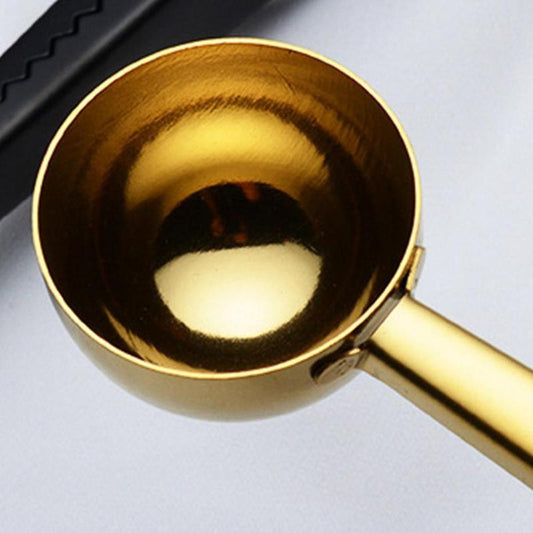
Stainless Steel Coffee Scoop with Bag Clip Handle
Regular price From $21.97 USDRegular price -
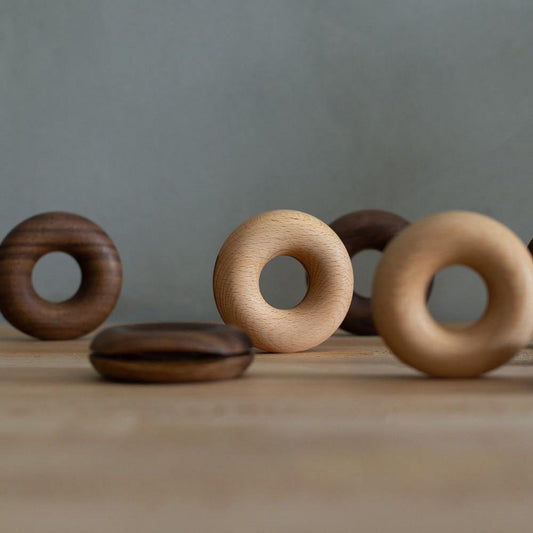
Round Wooden Bag Clips in Beech and Walnut
Regular price From $37.97 USDRegular price -
Electric Latte Art Pen for Cocoa and Cinnamon
Regular price $24.95 USDRegular price -
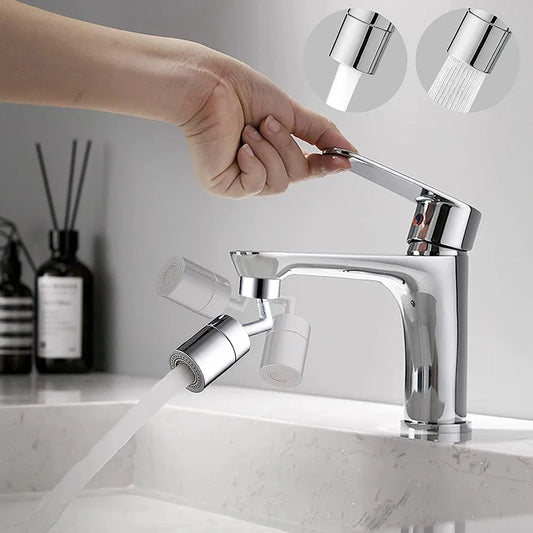
Swivel Faucet Attachment, 1080 Degree, Two Spray Modes
Regular price $24.95 USDRegular price -
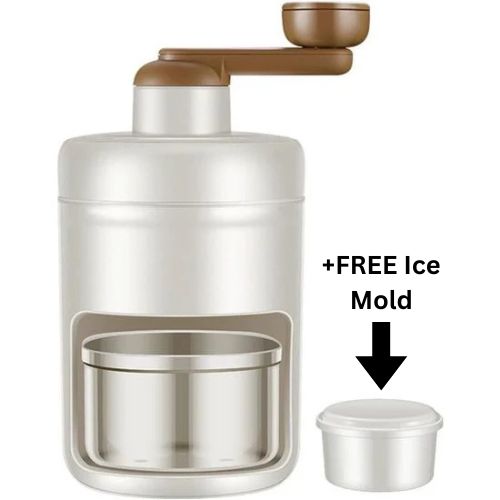
Hand Crank Ice Shaver for Snow Cones
Regular price $29.95 USDRegular price -
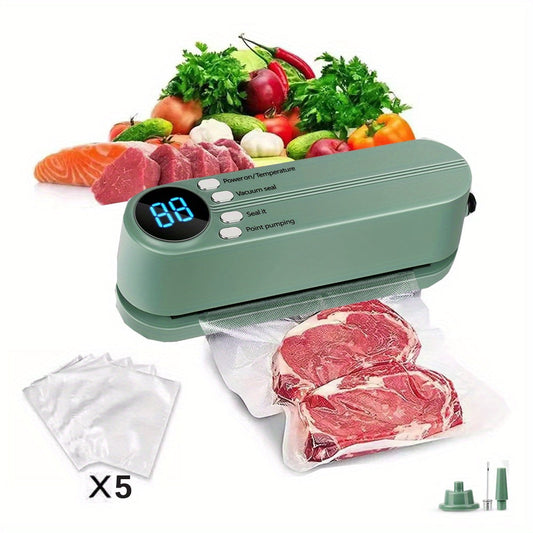
Cordless Handheld Vacuum Sealer for Food Bags
Regular price $39.95 USDRegular price -
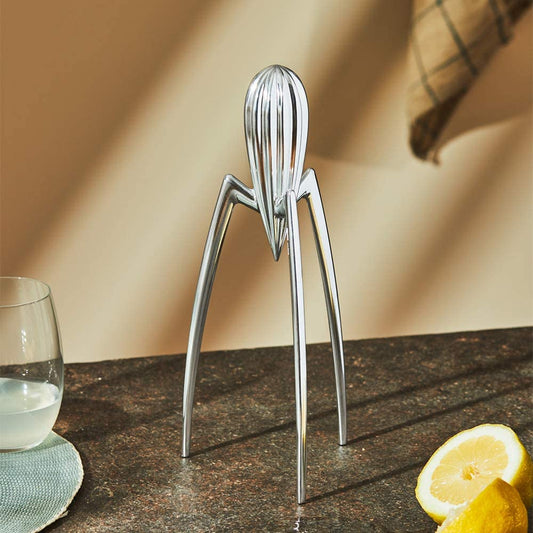
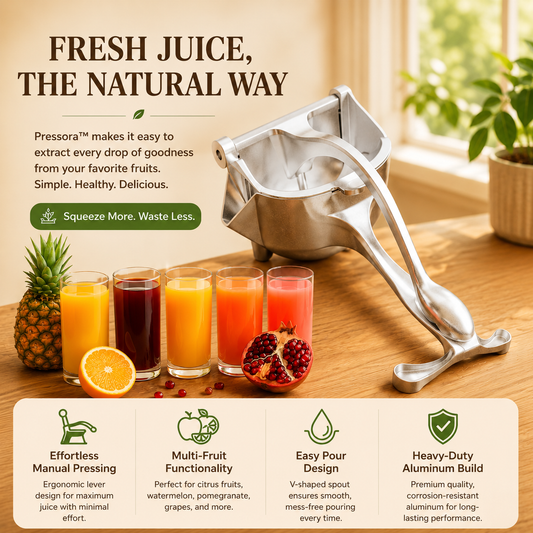
Aluminum Citrus Juicer on a Tripod Stand, 12 in
Regular price $49.00 USDRegular price -
Electric Countertop Peeler for Garlic and Small Fruit
Regular price $89.00 USDRegular price -
Pull Out Sink Faucet with Temperature Color Light
Regular price $149.00 USDRegular price -
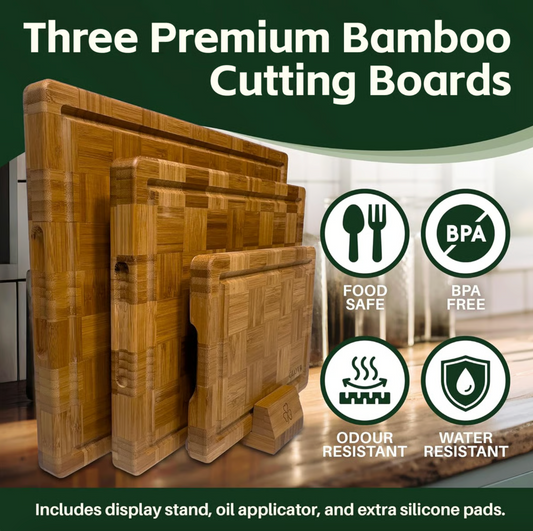
Bamboo Cutting Board Set of 3 with Stand and Oil
Regular price $159.00 USDRegular price -
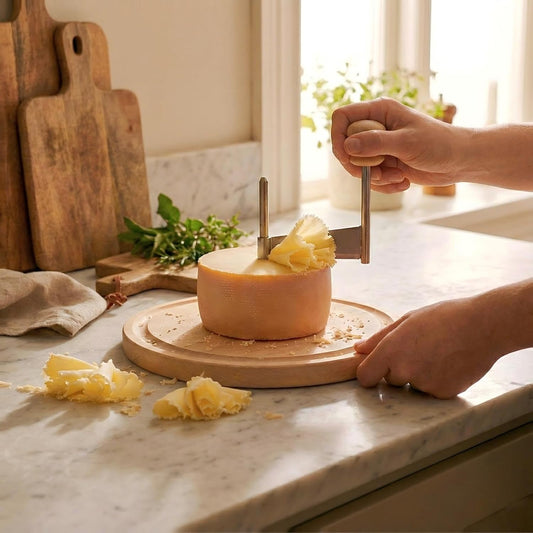
Swiss Style Cheese Curler with Wooden Base
Regular price $59.00 USDRegular price -
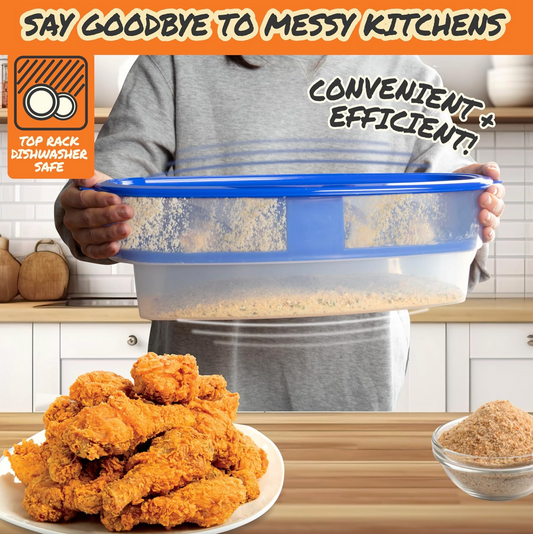
Three Piece Breading Station with Sifter and Lid
Regular price $34.95 USDRegular price -
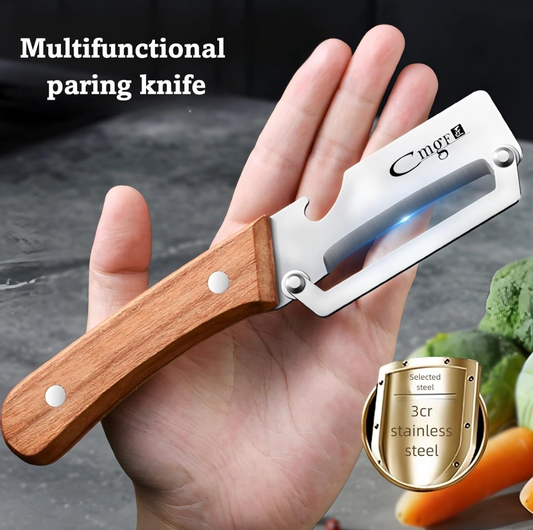
Wide Blade Vegetable Peeler with Wooden Handle
Regular price $39.00 USDRegular price -
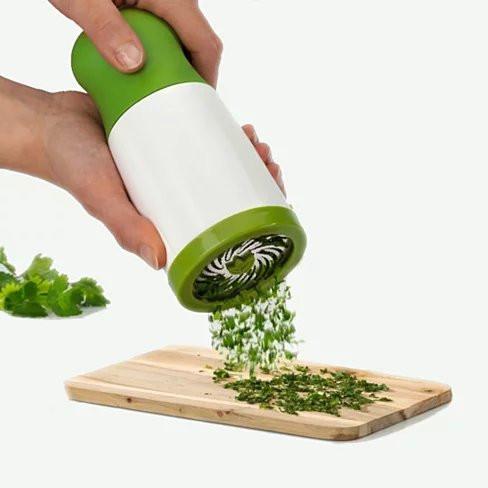
Manual Herb Mill with Stainless Steel Blades
Regular price $34.99 USDRegular price -
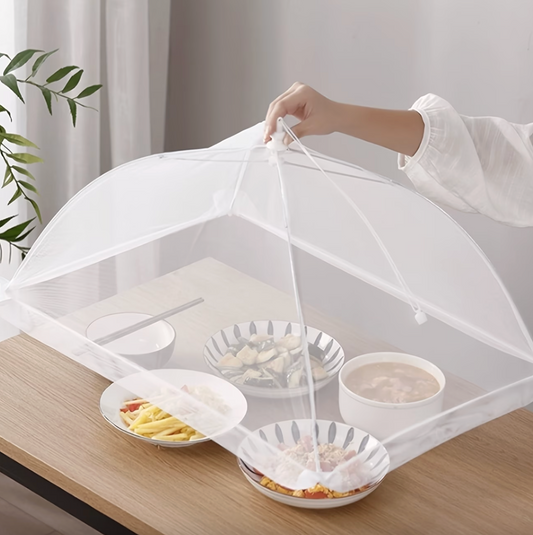
Pop Up Mesh Food Cover for Outdoor Tables
Regular price From $27.95 USDRegular price -
Manual Aluminum Hand Press Juicer, 9.3 in
Regular price $39.00 USDRegular price -
Portable Bag Sealer, USB-C Rechargeable
Regular price $34.95 USDRegular price -
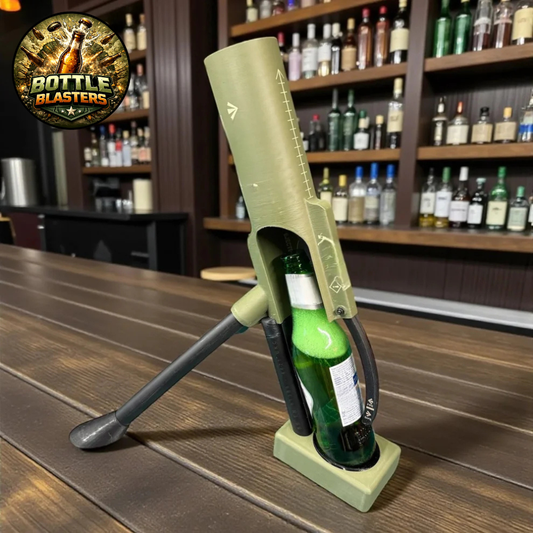
Cap Launching Bottle Opener with Trigger
Regular price $44.95 USDRegular price -
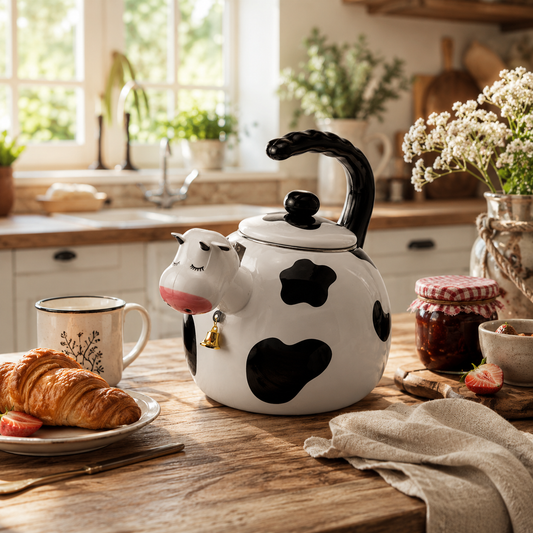
Cow Face Enamel Stovetop Tea Kettle with Bell
Regular price $59.00 USDRegular price -
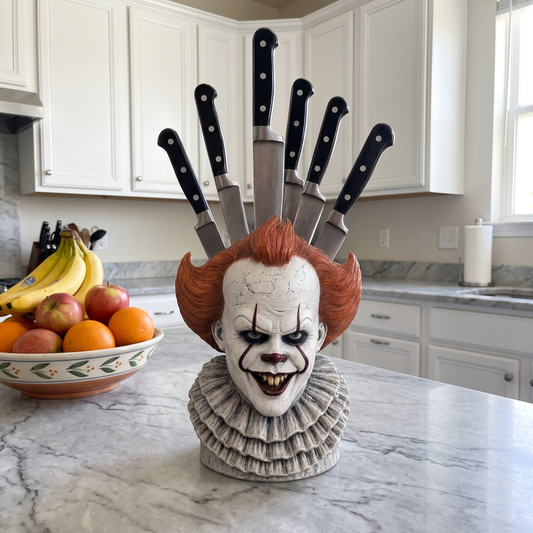
Horror Figure Knife Block in Hand Painted Resin
Regular price $49.00 USDRegular price

























The drawer test comes before the tool
A kitchen drawer is a fixed volume, and every tool in it competes with every other tool for the same space. The shallow drawer above a base cabinet runs about 21 in (53 cm) deep and 4 in (10 cm) high inside, which sounds like plenty until you count what is already in there. The question is never whether a gadget works. It is whether it works often enough to keep its slot.
Sort by frequency rather than by cleverness. A peeler, a bag clip and a board get used most weeks of the year. A cherry pitter gets used in July. The first group belongs within arm reach of the counter you prep on, the second belongs in a cupboard where nobody has to move it twice a day. The failure mode is a drawer so full it no longer runs on its slides, and once that happens you stop opening it and start leaving everything out on the counter instead.
A tool that does two jobs earns its space twice, but only when both jobs are ones you actually do. A coffee scoop with a clip built into the handle stays useful because measuring and resealing happen in the same thirty seconds. A gadget that slices, juliennes, spiralizes and grates usually does one of the four well and takes up the room of three.
What each small tool is actually for
Names go vague on a product page, and the same object gets sold under three of them. What matters is the motion the tool saves you and the surface it has to work on.
| Tool | What it does | Use it for |
|---|---|---|
| Y peeler | Blade set across the head, pulled toward you like a razor | Long straight vegetables, carrots, potatoes, cucumber ribbons |
| Swivel peeler | Blade in line with the handle, follows a curve | Apples, round produce, anything with a dent to get into |
| Manual citrus press | A lever or screw multiplies hand pressure onto a reamer | Lemons and limes, one or two at a time, juice straight into the glass |
| Herb mill | Rotating blades cut leaves instead of crushing them | Parsley, basil and chives, where a dull knife blackens the cut edge |
| Bag clip | Folds and pins the top of an opened bag | Coffee, flour, chips, anything that goes stale before it is finished |
| Faucet aerator or swivel spout | Screws onto the faucet thread and shapes the stream | Filling a tall pot, rinsing the far corner of the sink, cutting splash |
| Chopping board | Takes the knife edge so the counter does not | Everything, which is why size and material matter more here than anywhere else |
How big a board, and where it has to fit
Most people size a board to the counter and then find out it does not fit the sink. Both measurements matter, and the sink is the one that gets forgotten.
A 12 by 18 in (30 by 46 cm) board handles most of what a home kitchen does, with room to break down a chicken or push chopped onion aside and keep working. Below 9 by 12 in (23 by 30 cm) you are cutting on a surface smaller than a sheet of paper and food goes over the edge. Above 15 by 20 in (38 by 51 cm) the board stops sitting at an angle inside a standard 22 in (56 cm) sink bowl, so it never gets washed properly and you start wiping it instead.
Thickness decides whether it stays flat. Under 1/2 in (13 mm) a wood or bamboo board cups within a year, because the top face dries faster than the underside. Between 3/4 and 1 in (19 to 25 mm) is the usable range for a board you carry to the sink. Past 1.5 in (38 mm) you are into butcher block, which weighs upward of 12 lb (5.4 kg) and lives on the counter for good.

Bamboo, wood, plastic or glass
Material settles three things you will care about later: what the board does to your knife edge, whether it survives a dishwasher, and how it behaves after raw chicken.
| Bamboo | End grain wood | Plastic | Glass | |
|---|---|---|---|---|
| Knife edge | Harder than maple, dulls a blade faster | Fibers part around the edge and close again, the gentlest of the four | Soft on the edge, scars quickly | Blunts a knife in a single session |
| Staying flat | Cups if one face stays wetter than the other | Stable while oiled, splits once it dries out | Holds its shape, can bow in a hot dishwasher | Never moves |
| Dishwasher | No, the glue lines between the strips let go | No, the same failure and faster | Yes, top rack | Yes |
| After raw meat | Hand wash hot and soapy, dry standing on edge | Same, and the wood dries out surface bacteria on its own | Scrub it, and retire it once the cuts stop coming clean | Nonporous, the easiest of the four to sanitize |
| Weight | Light, 2 to 3 lb (0.9 to 1.4 kg), slides on a wet counter | Heavy, stays where you put it | Light | Heavy and slippery at once |
What the dishwasher ruins
A home dishwasher runs its main wash at 130 to 150 F (54 to 66 C), dries hotter than that, and uses a detergent alkaline enough to strip grease off a roasting pan. Three things in a drawer of small tools do not survive it.
Aluminum is the obvious one. An aluminum citrus press goes in bright and comes out chalky and darkened, because the alkaline detergent eats through the thin oxide layer that keeps bare aluminum shiny. The damage is cosmetic rather than dangerous, and it does not wash off with a second cycle. Simmering the piece in water with a couple of tablespoons of cream of tartar lifts most of the film, and hand washing after that keeps it from returning.
Bamboo and glued wood fail more slowly and more permanently. A bamboo board is narrow strips laminated together, and one cycle of swelling and forced drying works those glue lines loose. The board comes apart at the seams months later, not the same evening, which is why nobody connects the two events. Anything with a wooden handle riveted to steel sits on the same list: the wood swells, the rivet does not, and the handle splits around it.
Stainless steel, silicone and most food covers go in without a thought. Check the whole object before you decide, because a peeler with a stainless blade and a beechwood handle is only as dishwasher safe as its worst part.
Keeping a wood board alive
Wood boards fail from drying out, not from being used. An unoiled board loses moisture through the top face, the fibers shrink unevenly, and you end up with a crack running along the grain or a cup you can rock on the counter.
Use food grade mineral oil. It never goes rancid, which is exactly why cooking oils are the wrong answer: olive, sunflower and walnut oil all oxidize inside the grain and leave the board smelling stale within a couple of months. Pour roughly a tablespoon per side, spread it with a cloth, leave it overnight, then wipe off whatever has not soaked in. Once a month for the first year, then every three or four months once the board stops drinking it.
For the smells that oil will not fix, halve a lemon, dip the cut face in coarse salt and scrub the board with it. The salt is the abrasive and the lemon is the solvent, and together they pull onion and garlic out of a board in about two minutes. Rinse, then stand the board on edge so both faces lose water at the same rate.
A tool you cannot reach is a tool you do not use
Storage decides which half of your tools you actually own. A crock beside the stove holds six or seven long handled tools upright and puts every one of them one movement away. A drawer holds thirty and buries twenty nine of them under whichever one landed on top.
The split that holds up: what you touch daily stands out in the open, what you touch weekly lies flat in a shallow drawer with a divider, and what you touch twice a year goes in a cupboard and is allowed to be inconvenient. A 4 in (10 cm) drawer with no divider is a drawer where the peeler is always under the whisk.
Some of these tools are storage in their own right. A bag clip is the lid a coffee bag lost, and it decides whether ground coffee still tastes like coffee two weeks after opening. A salad pod holds one lunch and nothing more, which is the point of it. Judge a small container here by what it is meant to hold and how completely it shuts, not by how it looks in a drawer you will not be looking into.

Common questions
What is the ideal size for a cutting board?
12 by 18 in (30 by 46 cm) covers most of what a home kitchen asks of a board, including breaking down a whole chicken. Below 9 by 12 in (23 by 30 cm) chopped food falls off the edges and you spend the session pushing it back on. The upper limit is set by your sink rather than your counter, since a board wider than about 15 in (38 cm) will not sit at an angle in a standard 22 in (56 cm) bowl. Keep a second board around 6 by 8 in (15 by 20 cm) for a lemon or a wedge of cheese.
Is 3/4 inch too thin for a cutting board?
No, 3/4 in (19 mm) sits in the middle of the usable range and it is what most good boards measure. Thinness becomes a real problem under about 1/2 in (13 mm), where a wood or bamboo board cups because the top face dries faster than the bottom. Going past 1.5 in (38 mm) buys stability and nothing else, at the cost of a board too heavy to lift into the sink. If a 3/4 in board of yours is warping, the cause is drying rather than thickness: oil it and dry it standing on edge.
What is the healthiest cutting board to use?
Hardwood, end grain if you can find it. Food safety work at UC Davis found that bacteria left on a wood surface largely die off overnight, while the same bacteria survive in the knife cuts of a used plastic board. Plastic is not unsafe, but a scarred plastic board holds what a smooth one releases, so it needs retiring once the cuts stay dirty after washing. Whatever you use, keep one board for raw meat and another for everything else.
Why do restaurants not use wooden cutting boards?
Many health codes require a nonporous surface that can be sanitized on a schedule, and a commercial kitchen has to prove that rather than argue about how wood behaves. Color coded plastic also lets a manager see from across the line that the raw chicken board is not being used for salad. Plastic goes through a commercial machine at 180 F (82 C), which wood cannot. None of that makes wood a worse choice at home, where you control the whole workflow and wash by hand anyway.
Can I use olive oil to oil my cutting board?
Do not. Olive oil is a food oil and it oxidizes, so it turns rancid inside the grain and leaves the board smelling stale within a couple of months. Sunflower, canola and walnut oil do the same thing. Use food grade mineral oil, which cannot go rancid, or a board cream of mineral oil and beeswax. About a tablespoon per side, left overnight, then wipe off the surplus.
Can I use Dawn on my wood cutting board?
Yes. Dish soap and hot water is the correct wash for a wood board, and the belief that soap ruins wood comes from soaking rather than from soap. What damages a board is leaving it lying in the sink or running it through the dishwasher, where it stays wet for an hour and the grain and glue lines move. Wash it, rinse it, towel it dry, then stand it on edge so both faces dry at the same rate. Re-oil when water stops beading and starts soaking in.
Why has my aluminum turned black when I washed it in the dishwasher?
Dishwasher detergent is strongly alkaline and it strips the thin oxide layer that keeps bare aluminum bright. The exposed metal then reacts with hot water and forms a dark chalky film, which is why an aluminum juicer or pan comes out of the machine looking dull and darkened. It is a cosmetic problem rather than a safety one, and more detergent will not remove it. Simmer the piece in water with a couple of tablespoons of cream of tartar to lift most of the film, and wash it by hand from then on.
