
Collection: Faux Plants
Faux stems earn their place where a real plant would die: a dark hallway, a north facing shelf, a bathroom with no window. Silk holds its shape and color far longer out of direct sun. Buy for stem length against the vase you own, then trim down.

-
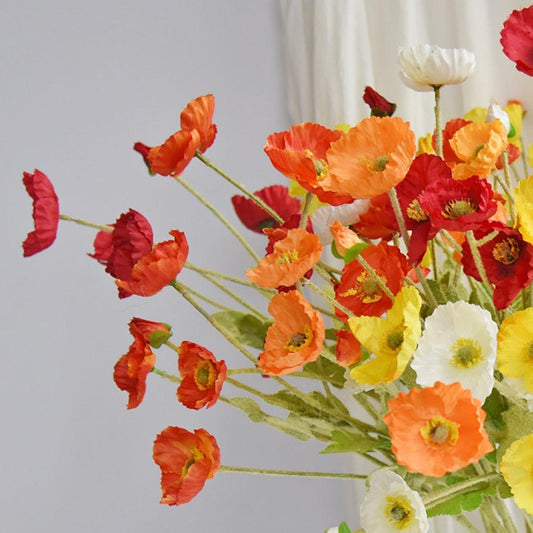
Faux Silk Wildflower Spray, 23 in Tall, Six Colors
Regular price $19.97 USDRegular price -
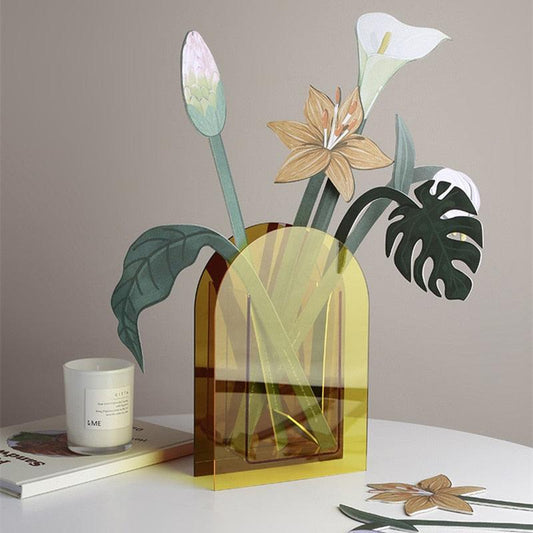
Paper Flower Bouquet, Six Double-Sided Cardstock Stems
Regular price $33.99 USDRegular price -
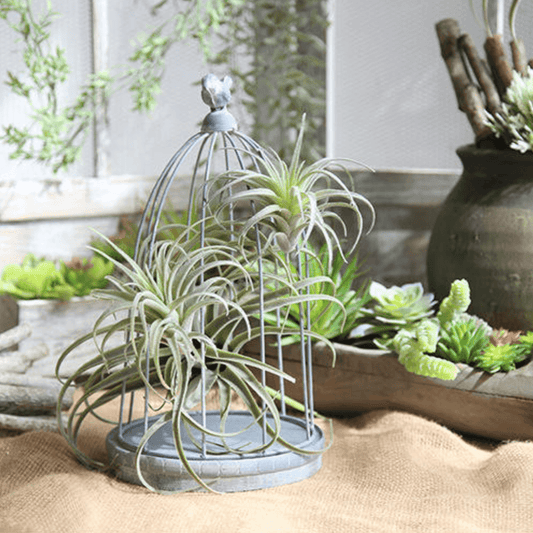
Faux Tillandsia Air Plant, 6 in or 14 in Across
Regular price From $20.97 USDRegular price -
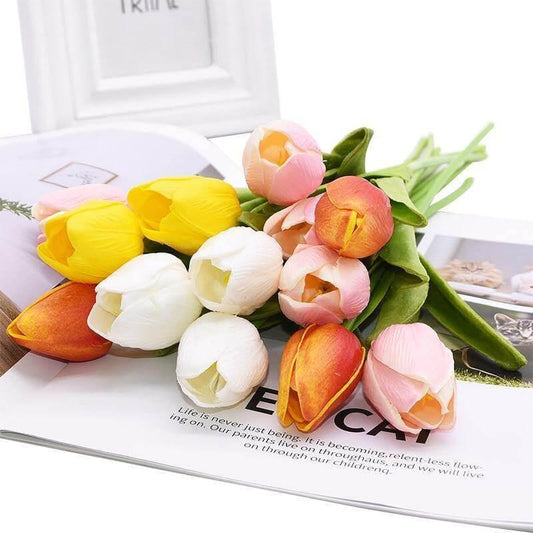
Faux Silk Tulips, Set of 10 Stems
Regular price $27.97 USDRegular price -
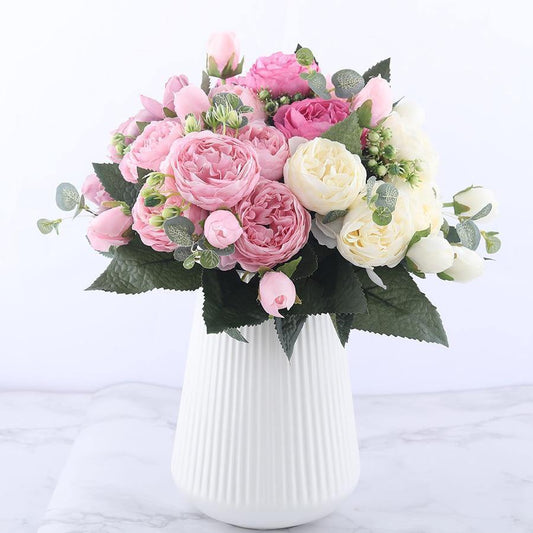
9-Stem Faux Silk Peony Set with 5 Blooms and 4 Buds
Regular price $19.97 USDRegular price -
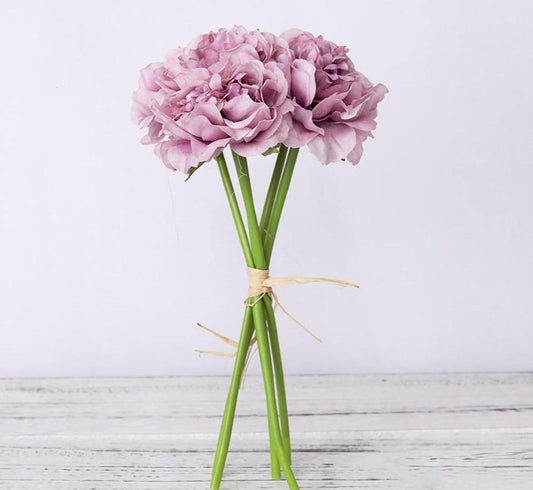
Silk Faux Peonies, Set of 5 Stems
Regular price $17.97 USDRegular price -
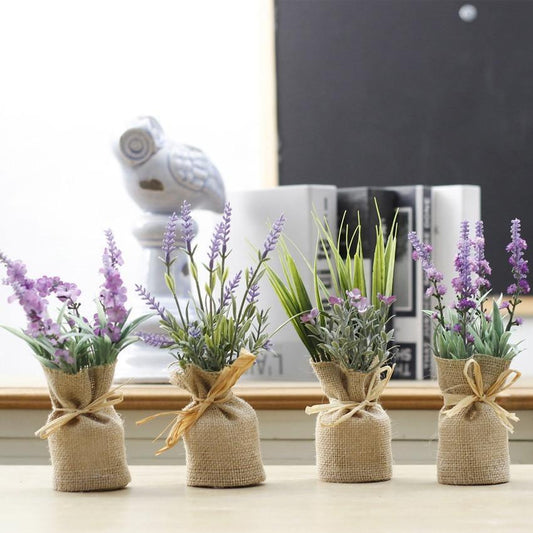
Magnetic Faux Plants in Burlap Sacks, Set of 4
Regular price From $21.97 USDRegular price -
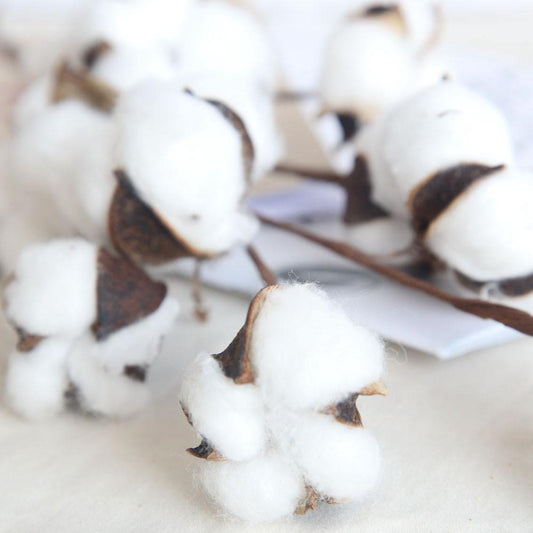
Dried Cotton Boll Branch Spray, 21 in Stem
Regular price $19.97 USDRegular price -
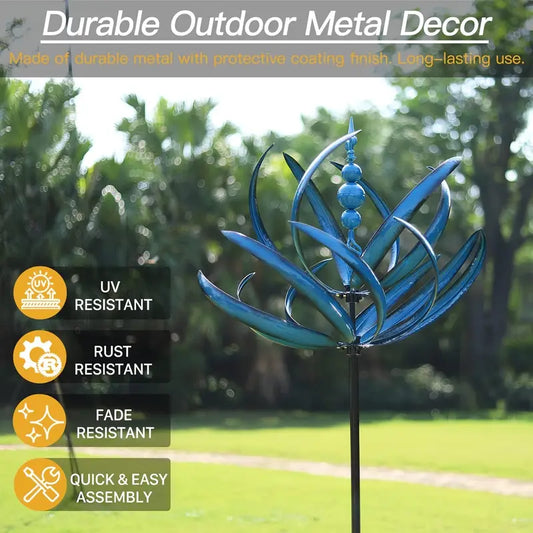
Blue Lotus Metal Wind Spinner for the Garden
Regular price $39.00 USDRegular price -
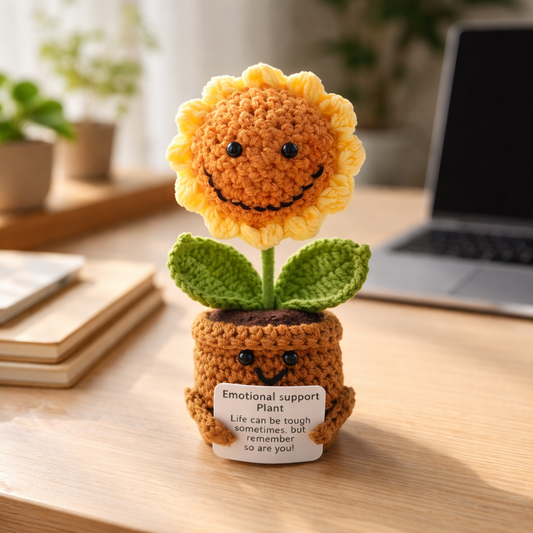
Handmade Crochet Sunflower Emotional Support Plant
Regular price $39.00 USDRegular price











Buy faux for the spots where a real plant dies
There is an honest case for artificial stems and a dishonest one. The honest case is a position no living plant survives: a hallway with no window, a north facing shelf, a bathroom lit by a bulb, the top of a wardrobe nobody can reach with a watering can, and the apartment you leave empty for three weeks at a time.
The dishonest case is a sunny windowsill, where a pothos would thrive for years and a faux stem will bleach to a pale, dusty version of itself within about a year. Faux in full sun is the one placement that guarantees it will look artificial faster than anything else you do to it.
So work out the position first. A dark corner is the strongest argument for faux there is, because nobody inspects a plant in a dark corner and no real plant can hold on in one.
What they are made of, and what that costs you
The words on the label overlap and get used loosely. Silk almost never means silk any more, faux and artificial mean the same thing, and real touch is a manufacturing method rather than a grade. What matters is the plastic underneath.
| Material | Reads as | Feels | Best for |
|---|---|---|---|
| Polyester, sold as silk | Good at arm's length, matte petals, printed veins | Fabric, slightly stiff, creases and reshapes with steam | Flowers: peonies, roses, tulips |
| Polyethylene, sold as real touch | The most convincing of the four, molded from real leaves | Slight give, cool, a little waxy | Foliage and single statement stems |
| PVC | The shiny one, obvious under a lamp | Rigid, thin, sharp edges on cut leaves | Garlands, vines, anything seen at a distance |
| Preserved and dried | Real plant material, so it reads as real | Papery, brittle at the stem | Grasses, eucalyptus, cotton, bunny tails |
The three things that give a faux stem away
Sheen is the first. Plastic catches a light source and throws back a highlight that no leaf does, and it shows worst under a table lamp at night. A wipe with a barely damp cloth removes the dust that exaggerates it, and a very light dusting of matte finish spray kills the rest.
Uniformity is the second. Every leaf the same size, the same color, undamaged, and all facing the same way. Real foliage is uneven. Pull off a few leaves, especially near the base of the stem, and turn a couple to face backward.
The stem is the third, and the most common. A green plastic rod in clear glass is instantly wrong, because a real stem is uneven, and because in clear glass the eye expects water. Use an opaque vessel, or fill a clear one with sand, pebbles or dried moss to the point where the stems disappear.

Buy for stem length, then cut them down
Faux stems arrive at a set length, usually 18 to 26 in (46 to 66 cm), and that length is not chosen for your vase. Check it against the vessel you already own before ordering, because the arrangement is made with the cutting rather than with the buying.
The florist proportion applies here as much as with real flowers: the arrangement should stand roughly one and a half to two times the height of the vase. A 10 in (25 cm) vase wants stems finishing 15 to 20 in (38 to 51 cm) above the table, so a 24 in (61 cm) stem gets a good third taken off.
Cut with wire cutters, not scissors. Almost every faux stem has a steel wire core wrapped in plastic or paper tape, and scissors crush it flat and leave a burr that tears the wrapping. Cut a little long the first time. Adding length back is not an option.

Making a bunch look arranged rather than delivered
Bend every stem before it goes anywhere. The wire core exists for this, and a stem left dead straight is the tell that survives every other correction. Put a soft curve in the length and a small angle where the head meets the stem, so the flower faces slightly down as a heavy bloom does.
Work in odd numbers and in three heights. Three, five or seven stems, with the tallest about a third above the shortest, gives the depth that a bunch cut level never has. Mixing two textures does more than mixing two colors: a soft flower against a spiky grass reads as a real arrangement, ten identical roses read as a display.
One real element sells the whole thing. A single fresh eucalyptus stem among faux ones, a handful of real pebbles in the base, a genuinely dried grass at the back. The eye checks the nearest thing it can identify and tends to accept the rest.
Sun is what ruins them, not time
Faux stems do not wear out. They fade, and fading is caused by ultraviolet light rather than by age. A polyester flower in a south facing window loses noticeable color in six to twelve months, and greens go first, drifting toward a yellowish gray that no cleaning brings back.
Outdoors is harder again. Anything not sold as UV stabilized fades over a single summer. Stems that are UV stabilized hold for one to three years in full sun, more in a shaded porch, and the good ones state that on the label rather than in the description.
UV resistant sprays exist and they do help, roughly extending the life rather than preventing the loss. Two light coats, reapplied each season, is the realistic version. The larger gain is free: move the arrangement 3 ft (90 cm) back from the glass, or turn the vase a half turn every month so one side is not taking all of it.
Dust is the whole maintenance schedule
Faux plants ask for nothing except dusting, and skipping it is what makes them look cheap. Dust settles evenly on every surface, which flattens the color and adds the gray film that reads instantly as artificial. Once a month is enough for most rooms, once a fortnight in a kitchen.
| Situation | What works | Avoid |
|---|---|---|
| Light dust, monthly | Hair dryer on cool, held 12 in (30 cm) away | Doing it over a table you have just wiped |
| Settled dust in the crevices | A soft paintbrush or makeup brush, then a damp microfiber cloth | Rubbing hard, which polishes the plastic shiny |
| Fabric flowers, dusty | Seal in a bag with a half cup of salt, shake, lift out | Water on paper wrapped stems, the wire rusts |
| Greasy kitchen film | Warm water, one drop of dish soap, wipe leaf by leaf, dry fully | Glass cleaner, which streaks and strips matte finishes |
| A whole faux tree | Take it outside, cool hair dryer, then a cold shower rinse | Leaf shine spray, which is tacky and collects more dust |
Vessel first, stems second
With real flowers the vase decides how the stems sit. With faux stems it decides whether anyone believes them, because the vessel is what hides the one part that always looks wrong. A ceramic jug, a stoneware bottle or anything opaque does more for a faux bunch than paying twice as much for the stems.
That also frees up vessels a real bunch could never use. Faux and dried stems need no water at all, which puts unglazed ceramic, raw wood, woven baskets and metal without a liner back on the table. It is the one arrangement where a leaking vase is fine.
The test worth applying before buying is simple. Look at the stem, not the flower. If the stem is convincing, the arrangement will hold up across a room, and if it is a green plastic rod, plan the vessel that covers it before the stems arrive.
Common questions
Is there a way to make fake plants look real?
Four things do most of the work. Bend every stem, since a dead straight stem is the strongest tell. Remove a few leaves so the growth is uneven. Hide the stems in an opaque vessel, or fill a clear one with sand or pebbles. Then dust it monthly, because the gray film that settles over a few weeks flattens the color and reads as plastic from across the room.
Is there something to spray on fake flowers to make them look real?
A matte finish spray, applied in one very light coat from about 12 in (30 cm) away, cuts the plastic sheen that gives PVC and polyester away under a lamp. Test it on the back of one leaf first, since a heavy coat leaves a chalky cast. Skip leaf shine sprays, which do the opposite of what you want and attract dust. UV resistant spray is a separate product and it slows fading rather than changing the look.
What is the easiest way to clean fake plants?
A hair dryer on its cool setting, held about 12 in (30 cm) away, blows dust off an entire arrangement in under a minute. Do it over a sink or outdoors. For anything the airflow does not shift, follow with a soft brush and then a barely damp microfiber cloth, wiping rather than scrubbing, since hard rubbing polishes the plastic and makes it shinier.
How do you clean very dusty artificial flowers?
Put fabric flowers into a bag with half a cup of table salt, seal it, and shake for thirty seconds. The salt grains carry the dust off the fabric and stay behind in the bag. For plastic leaves, warm water with one drop of dish soap and a cloth works, but keep water away from stems wrapped in paper tape, because the wire underneath rusts and the wrapping unravels.
How do you keep fake flowers from fading in the sun?
Keep them out of direct sun, which is the only method that really works. Set the arrangement 3 ft (90 cm) back from the glass, or in a spot the sun crosses rather than sits on. A UV resistant spray in two light coats, reapplied each season, extends the life without preventing the loss. Turning the vase a half turn each month at least fades both sides evenly.
How long do fake plants last outdoors?
One summer, if they are not UV stabilized. Stems sold as UV resistant hold their color for one to three years in full sun and longer on a shaded porch or under a covered balcony. Rain itself does little harm, though water collecting inside a molded leaf freezes and splits it in winter. Bring the arrangement in for the coldest months and it lasts noticeably longer.
What is the best material for fake flowers?
Polyethylene, usually labeled real touch, is the most convincing, since it is molded from real leaves and has a matte surface with some give. Polyester, sold as silk, is next and is the better choice for flower heads such as peonies and roses. PVC is the shiny one and belongs in garlands seen at a distance. Preserved and dried stems are real plant material, so they need no imitation at all.
