
Collection: Textiles
Fabric is what stops a room sounding hard. A throw over the arm of a sofa and a cushion in the corner do more for a bare floored room than another rug will. Knitted throws, cushions and woven wall hangings, in weights you can tell apart by hand.

-
Heart-Shaped Chunky Knot Cotton Cushion, Twelve Colors
Regular price $64.97 USDRegular price -
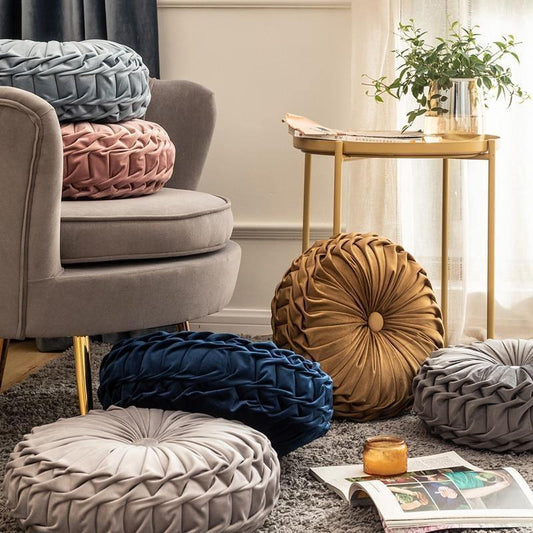
Round Velvet Ruffle Cushion with a Center Button
Regular price $50.97 USDRegular price -
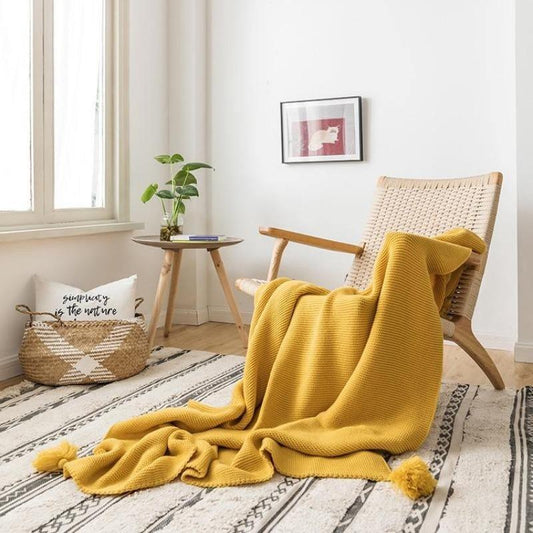
Knitted Throw Blanket with Corner Tassels
Regular price $82.97 USDRegular price -
Cotton Blend Wing Wall Hanging, 26.8 in Long
Regular price $49.99 USDRegular price -
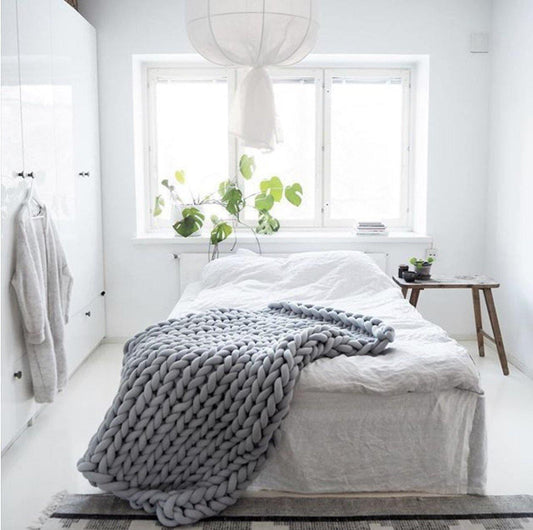
Chunky Knit Throw Blanket in Wool Acrylic Blend
Regular price From $42.97 USDRegular price -
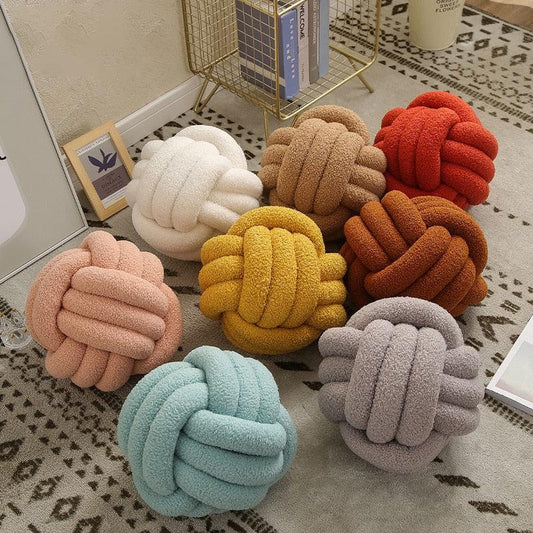
Knot Shaped Throw Pillow in Polyester
Regular price $63.97 USDRegular price -
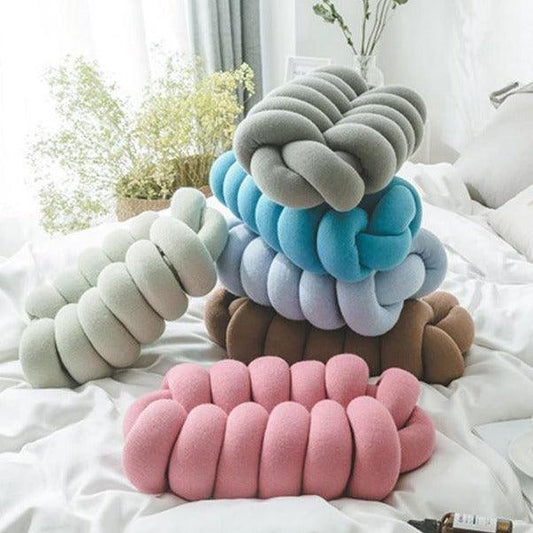
Braided Knot Cotton Fleece Throw Pillow, Two Sizes
Regular price From $55.97 USDRegular price -
Velvet Retro Shape Cushions: U, Wave and Knot Strip
Regular price From $41.97 USDRegular price -
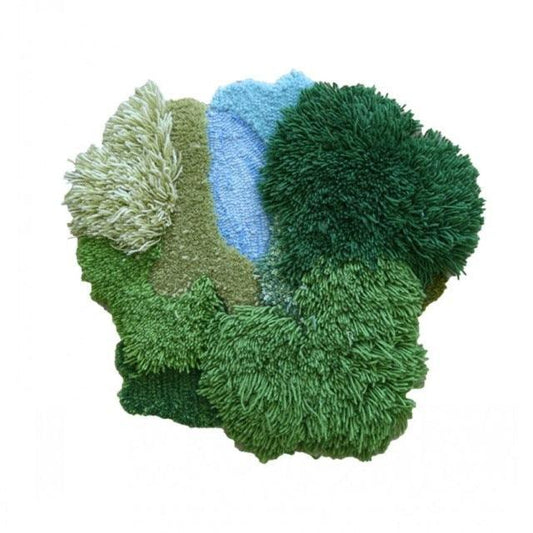
Hand Made Wool Area Rug and Wall Hanging, Mixed Pile
Regular price $321.97 USDRegular price -
Flower Shaped Round Throw Pillow in Plush Cotton
Regular price From $24.97 USDRegular price -
Headboard Gap Filler Wedge Pillow with Side Pockets
Regular price From $59.95 USDRegular price -
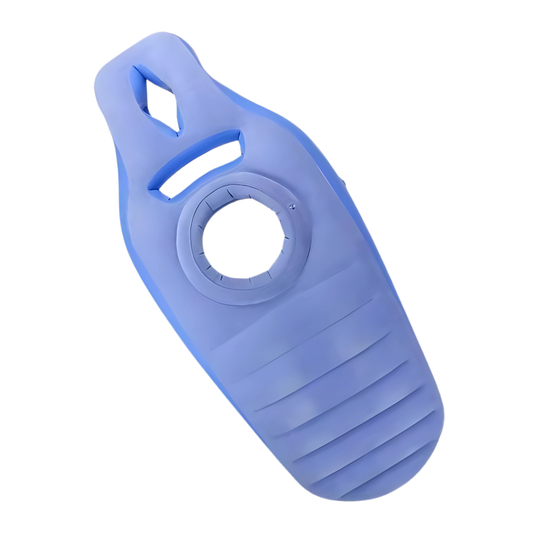
Inflatable Pregnancy Pillow with Belly and Face Holes
Regular price From $16.95 USDRegular price -
Round Tufted Boho Floor Cushion, 22 in, Four Prints
Regular price $39.00 USDRegular price -
Cordless Electric Food Slicer and Shredder
Regular price $49.00 USDRegular price -
Under Cabinet Jar Opener with V Shaped Grip
Regular price $24.95 USDRegular price -
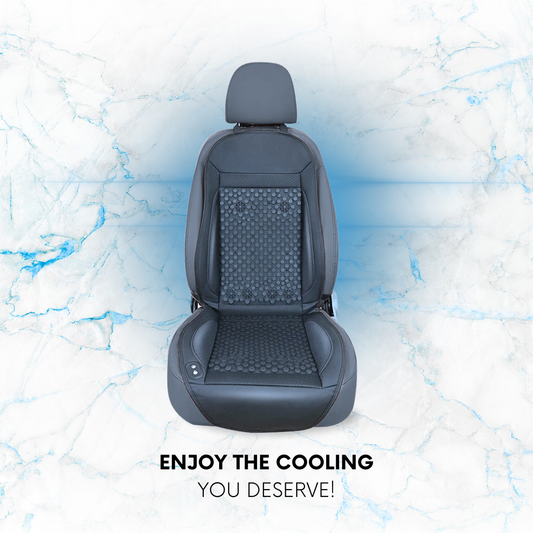
Ventilated Car Seat Cushion with Fans and Massage
Regular price $79.00 USDRegular price -
Skeleton Couple Figurine with Sculpted Roses, 8.2 in
Regular price $49.00 USDRegular price -
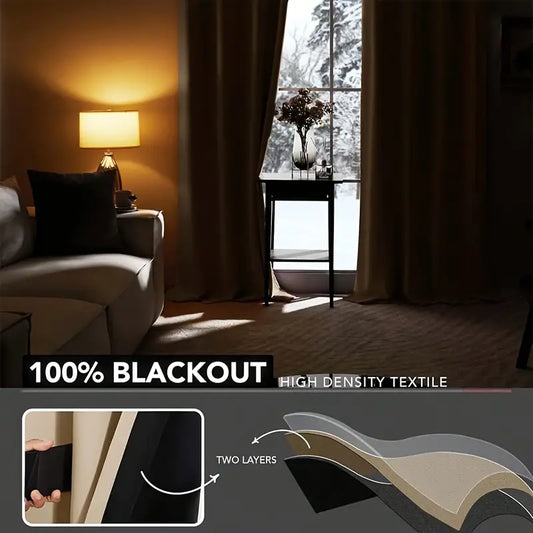
Double Layer Blackout Curtains, Rod Pocket, Pair
Regular price From $39.00 USDRegular price -
Knitted Mermaid Tail Blanket, Two Sizes
Regular price From $49.00 USDRegular price -
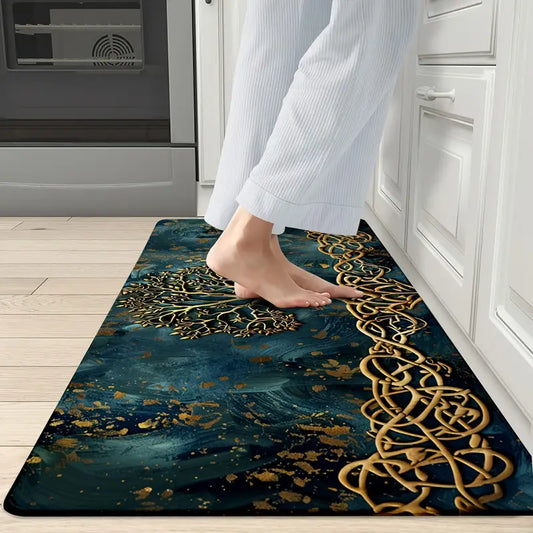
Tree of Life Doormat and Kitchen Runner, Non Slip
Regular price From $39.00 USDRegular price -
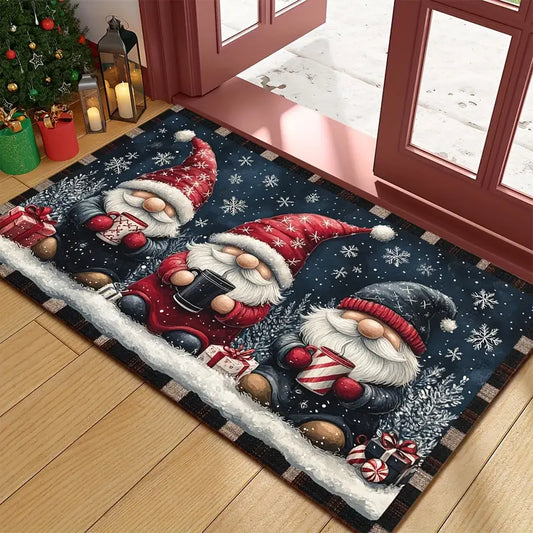
Christmas Gnome Doormat, Two Sizes, Non Slip
Regular price From $39.00 USDRegular price -
Half Moon Mosaic Print Rug, Machine Washable
Regular price From $39.00 USDRegular price -
Merry Christmas Doormat, Red with Gold Star Print
Regular price From $39.00 USDRegular price -
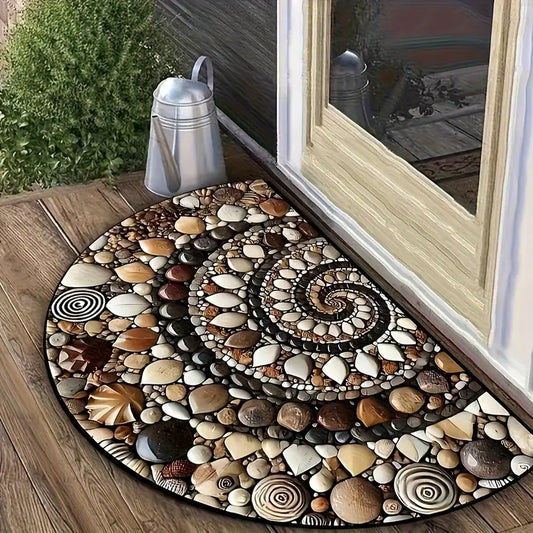
Half Round Pebble Print Doormat, Two Sizes
Regular price From $39.00 USDRegular price































A rug is a size decision before it is a pattern decision
The most common rug mistake costs nothing to avoid: buying two sizes too small. A 5 by 7 rug floating in the middle of a living room, with every piece of furniture standing on bare floor around it, makes the room read smaller than it is and gives you a mat to trip on rather than a floor to stand on.
The working rule is that the front legs of every seat land on the rug. That ties the seating together and it means the rug has to reach past the outside arm of the sofa, not stop at it. In a room with space to spare, leave 12 to 18 inches (30 to 45 cm) of bare floor between the rug edge and the wall so the border reads as deliberate. In a small room, 8 inches is enough.
Dining rooms have a stricter rule, and it is not about looks. Chairs need to stay on the rug when they are pushed back, so the rug has to extend 24 inches (60 cm) beyond every edge of the table. A 36 by 60 inch table therefore needs a rug at least 84 by 108 inches, which is a 9 by 12. Anything smaller and the back legs catch on the edge every time somebody sits down.
Rug sizes, by what is standing on them
Standard sizes are not arbitrary. Each one solves a specific furniture arrangement, and picking by room name instead of by what sits on the rug is how people end up wrong.
| Size | Where it works | What has to fit |
|---|---|---|
| 3 x 5 ft | Entry, beside a bed, in front of a sink | Two feet and a door swing |
| 5 x 8 ft | Small living room, under a coffee table | Coffee table plus the front legs of one sofa |
| 6 x 9 ft | Apartment living room, small dining set | Front legs of a sofa and two chairs |
| 8 x 10 ft | Standard living room, under a queen bed | Front legs of all seating, or the bottom two thirds of a queen |
| 9 x 12 ft | Large living room, dining table for six | All four legs of every piece, or a table plus pushed back chairs |
| 2.5 x 8 ft runner | Hallway, galley kitchen, side of a bed | Leave 4 in of floor on each side, and check the door clears it |
| 6 ft round | Entry, under a round dining table | A 42 in round table with 15 in of rug past the edge |
Fiber decides the mess more than the color does
The material under your feet sets how the piece behaves for years: whether spills sit on the surface or soak in, whether it sheds for six months, and whether sunlight through a south window bleaches a stripe across it by August.
| Wool | Cotton | Polypropylene | Jute or sisal | Microfiber or chenille | |
|---|---|---|---|---|---|
| Spills | Beads on the lanolin, blot fast and it lifts | Soaks in, but washes | Repels almost everything | Stains and cannot be wet cleaned | Soaks in and holds odor |
| Shedding | Heavy for 3 to 6 months, then stops | Very little | None | Sheds fine grit forever | None, but pills |
| Sunlight | Fades slowly | Fades fast in strong sun | Holds color, made for outdoors | Lightens to gray | Fades fast |
| Wet rooms | No | Yes, if it can be washed | Yes | No, it molds | Yes, dries slowly |
A rug that slides is a rug without a pad
Rugs move for one of two reasons and the fixes are opposite. On a hard floor, the rug slides because nothing grips it, and a felt and rubber pad cut 1 inch smaller than the rug on every side solves it while adding cushion and keeping the pile from crushing. On carpet, the rug does not slide so much as it ripples and walks, because the pile underneath moves; that needs a stiff pad made specifically for carpet, or hook and loop tape at the corners.
Skip anything that leaves a residue. The cheap open weave pads sold as non slip are PVC, and on a sealed hardwood or vinyl floor they break down over a year or two and leave a sticky yellow film that has to be scraped off. Felt and natural rubber costs more and does not do that.
Curling corners are a separate problem. A rug rolled for shipping keeps the memory of the tube, so reverse roll it for a day or weight each corner for a week. If one still lifts after that, put a grip disc under it, because a tripping edge does not fix itself.
Doormats and bath mats do different jobs
A doormat is a scraper, not decoration. Coarse raised ribs pull grit off a sole, and the mat needs to sit where the door swings clear of it, which means measuring the gap under your door before buying anything more than half an inch thick. A rubber edge keeps the mat flat instead of curling into the door on the first wet week.
Two mats beat one big one: something coarse outside for grit, something absorbent inside for water. One mat doing both stays wet and stops scraping.
Bath mats are the opposite problem: they need to dry, not to scrape. A cotton mat that hangs over the tub between uses dries in a couple of hours; a thick microfiber one lying on tile stays damp all day and starts to smell within a week. Whatever the pile, check the backing before you buy, because rubber backing means no dryer heat, and one hot cycle turns that backing into flakes stuck to everything else in the drum.

Pillow covers, inserts, and why yours look deflated
A cushion cover is a container, and the reason most of them sag is that the thing inside is the same size as the bag around it. Buy the insert 2 inches larger than the cover in both directions: a 20 inch insert in an 18 inch cover, a 22 in a 20. The corners fill out, the face stays convex, and the cover keeps its shape after somebody leans on it.
Fill matters as much as size. Feather and down inserts compress and can be shaped with your hands, which is why they look good in photographs and need a shake every few days. Polyester fill holds its shape without attention and flattens permanently after a year or two of real use. A down alternative insert at a higher fill weight, around 26 oz for a 20 inch square, sits between the two.
Cushions with a knotted or pleated shape are the exception, since the form is sewn in and there is nothing to swap out. Check whether the cover comes off at all before you buy, because a fixed cover means spot cleaning for life.
Tablecloth drop, and the number nobody gives you
Tablecloths are sold by finished size, but the number you actually want is the drop: how far the cloth hangs down from the edge. Casual meals want 6 to 8 inches, enough to cover the table edge and stay off your lap. Formal settings run 10 to 15 inches. Floor length is 29 to 30 inches on a standard dining table, and it is only practical when nobody is going to sit at it.
The arithmetic is short. Cloth length equals table length plus twice the drop, and the same for the width. So a 6 foot rectangular table measuring 72 by 30 inches with a 10 inch drop wants a 92 by 50 inch cloth, and the standard 60 by 102 banquet size gives you 15 inches all around. For a 60 inch round table with a 10 inch drop, you want an 80 inch round.
A clear vinyl protector follows the same math and answers a different question: it takes the water rings, so the wood underneath stays a table rather than a surface you police.

Washing without turning it into felt
Most textile damage happens in the machine rather than in use. Heat and agitation are what shrink wool, pill fleece and destroy rubber backing, so cold water on a gentle cycle is the default for anything you care about, and hot water is reserved for cotton bath mats and dish towels that need sanitizing.
Skip fabric softener entirely on towels, bath mats and microfiber. It works by coating the fibers, and a coated fiber stops absorbing water, which is the only thing you bought those items to do. Half a cup of white vinegar in the rinse does the softening job without the coating and strips out the residue already there. Wool dryer balls in a low heat cycle shorten drying time and cut static.
Wash a throw on its own rather than with clothes, because zippers and buttons are what pull fleece into pills. Air dry anything with a rubber back or a knit heavy enough to stretch under its own wet weight. And wash new textiles once before use: the finish sprayed on for shipping is what makes a new blanket smell like a warehouse.
Common questions
Is an 18 inch insert okay for an 18x18 pillowcase?
It will work, but it will look slack. A same size insert leaves the corners of the cover empty and the face flat, and the cover creases where the fill is not reaching. A 20 inch insert in an 18 inch cover fills the corners and holds a convex face even after somebody has leaned on it. If you already own 18 inch inserts, stack two thin ones or add a handful of loose fill rather than buying new covers.
Should pillow inserts be bigger or smaller than the cover?
Bigger, by 2 inches in each direction. That is the single change that makes a cheap cover look expensive. It also protects the seams less than you would fear, since the pressure is spread across the whole face rather than concentrated at a corner. Go up by only 1 inch for firm foam or tightly stuffed polyester inserts, which do not compress the way down does.
What size insert should I get for a 20x20 pillow cover?
A 22 by 22 insert. For a feather and down fill, 22 inches is comfortable to compress into the cover and gives you the full corners. For a polyester fill, look at the fill weight as well as the size, since a 22 inch polyester insert under about 26 oz will still read as soft. Zip the cover with the insert folded in half, then let it spring open inside.
What to use to keep rugs from sliding on carpet?
A pad made specifically for carpet on carpet, which is stiffer than the felt and rubber kind used on hard floors and works by gripping the pile from both sides. Rubber alone does nothing on carpet, because the surface moves with the rug. Hook and loop tape at the four corners is the cheap version and holds well on low pile, though it leaves adhesive residue on the carpet underneath. Whatever you use, cut it 1 inch smaller than the rug on every side so no edge shows.
Can you throw blankets in the dryer?
Cotton and fleece throws take a low heat cycle without trouble, and dryer balls stop them balling up. Wool, cashmere and anything with a rubber or latex backing should not go in at all: wool felts and shrinks permanently under heat and tumbling, and rubber backing cracks into flakes that end up stuck to everything else in the load. When in doubt, run a low or no heat air cycle for 20 minutes to get most of the water out, then lay the piece flat to finish.
Is it better to wash blankets in hot or cold water?
Cold for almost everything. It protects color, prevents shrinkage in cotton and wool blends, and modern detergents are formulated to work at low temperatures. Hot water is worth it only when you need to sanitize, which means bath mats, bedding after illness, and anything that has been stored damp. If a blanket is only dusty rather than dirty, a cold gentle cycle with half the usual detergent does more good than a hot one.
What size tablecloth do I need for a 60 inch round table?
An 80 inch round cloth gives you a 10 inch drop, which is the usual choice for a dinner where people are sitting down. A 70 inch round gives 5 inches, enough for a casual lunch and short enough that it will not pull off when a chair catches it. A 90 inch round drops 15 inches and starts to reach laps. For floor length on a 60 inch round, you need 120 inches.
