
Collection: Lighting
Most rooms are lit from one point in the ceiling, which is why they go flat after dark. A lamp at table height changes that more than a brighter bulb ever will. Table lamps, string lights and wall pieces, mains and battery, in shapes that read as objects rather than fixtures.

-
Mushroom Night Lamp DIY Craft Kit with Glass Dome
Regular price $47.97 USDRegular price -
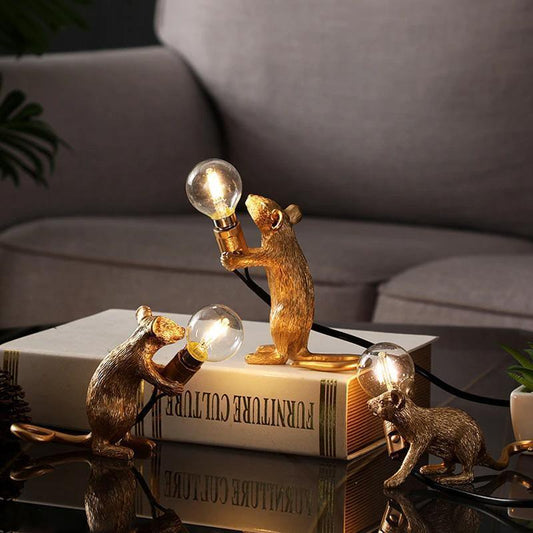
Mouse Figure Accent Lamp in Three Poses
Regular price From $44.97 USDRegular price -
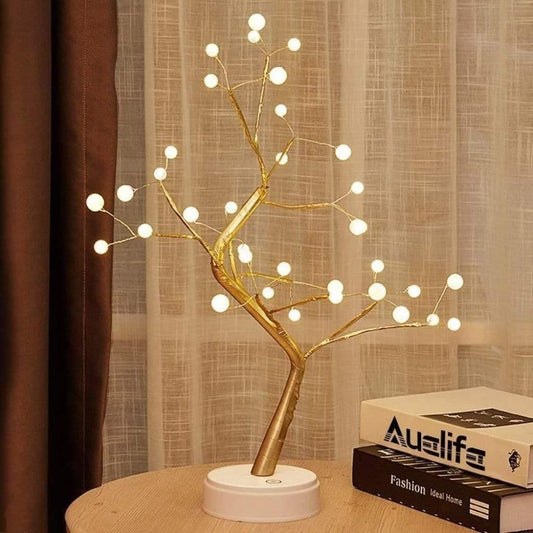
LED Tree Table Lamp, Six Styles, 36 or 108 Lights
Regular price From $32.97 USDRegular price -
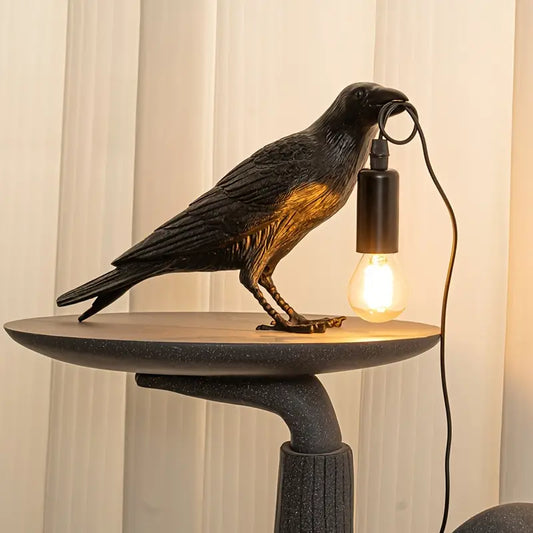
Raven Bird Lamp, Table or Wall Mounted, 12 in
Regular price $69.00 USDRegular price -
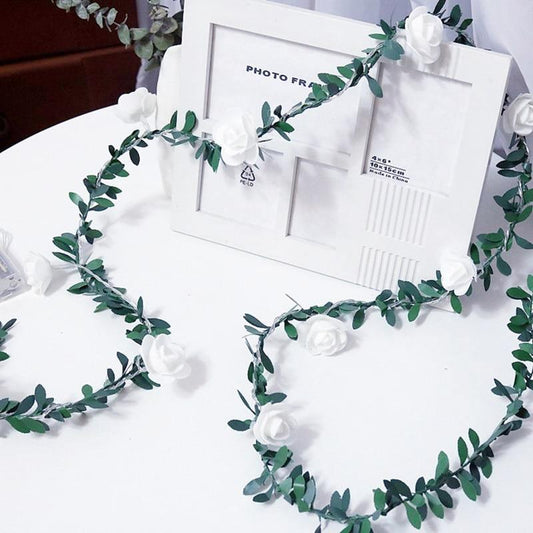
Rose Vine LED String Lights, Three Lengths
Regular price From $19.97 USDRegular price -
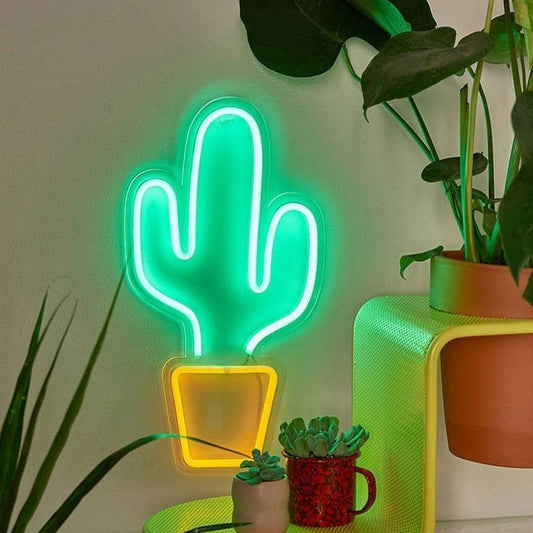
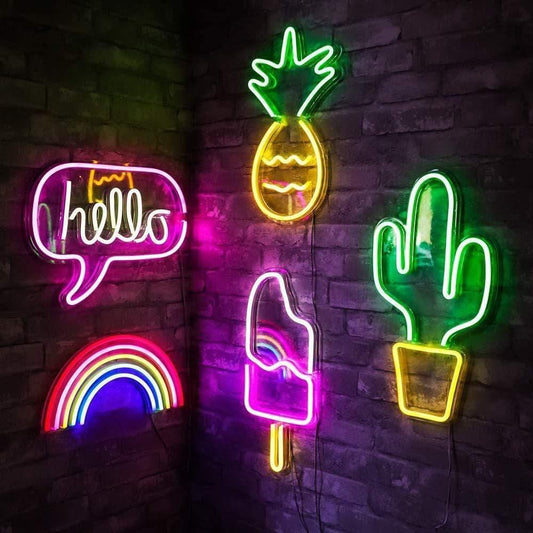
Neon Cactus Wall Sign, USB Powered
Regular price $81.97 USDRegular price -
Pineapple Neon Sign Wall Light, USB Powered
Regular price $59.97 USDRegular price -
Rainbow Neon Sign Wall Light, USB Powered
Regular price $39.97 USDRegular price -
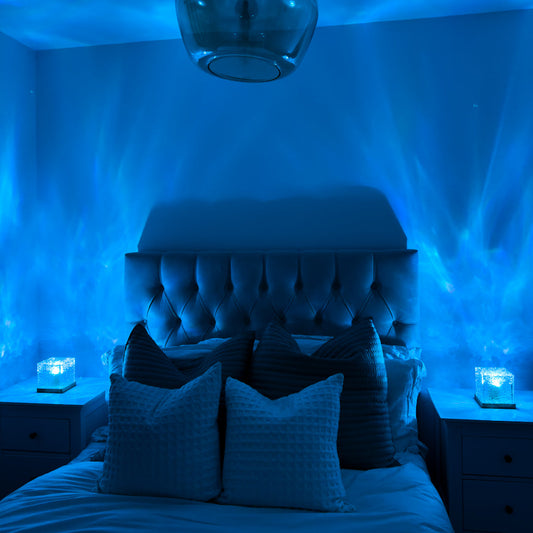
Color Changing Cube Lamp with Remote and Fade Mode
Regular price $39.00 USDRegular price -
Replacement Bulb for the Raven Lamp
Regular price $14.95 USDRegular price -
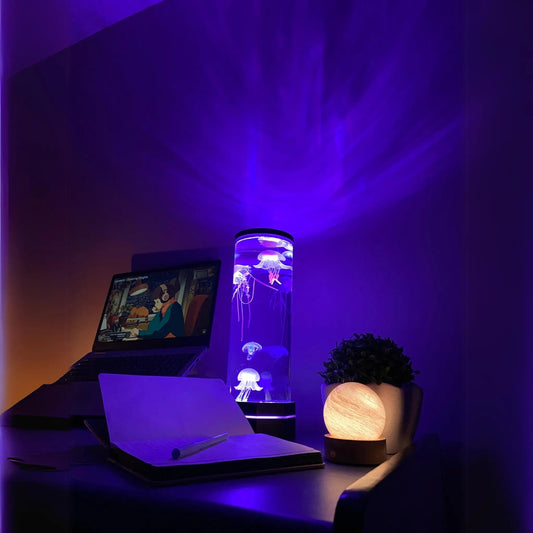
Jellyfish Lamp with Water Ripple Projector
Regular price $70.65 USDRegular price -
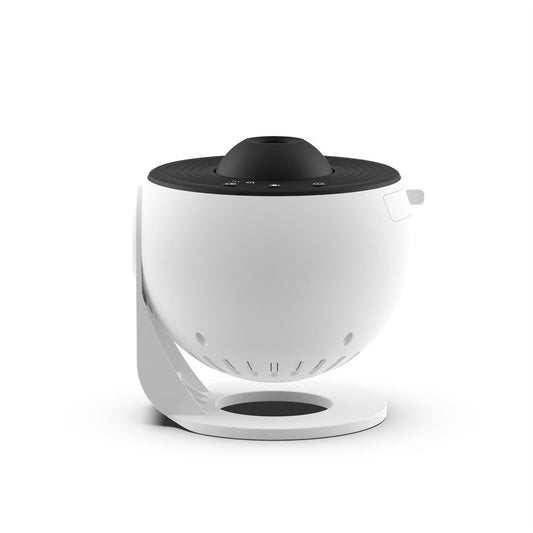
Star Projector Night Light with 12 Galaxy Film Discs
Regular price $59.00 USDRegular price -
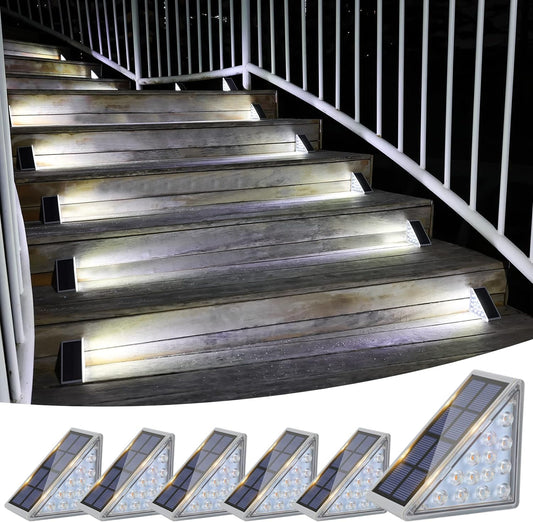
Outdoor Solar Step Lights for Stairs and Decks
Regular price From $69.95 USDRegular price -
Squishy Silicone Duck Night Light with Tap Control
Regular price $29.95 USDRegular price -
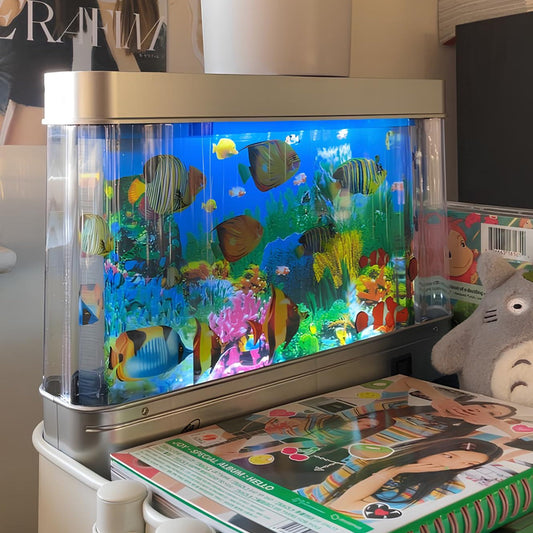
Retro Moving Aquarium Lamp with LED, 11.8 in Wide
Regular price $39.00 USDRegular price -
Solar Powered Elephant Garden Lamp with Lantern
Regular price $54.00 USDRegular price -
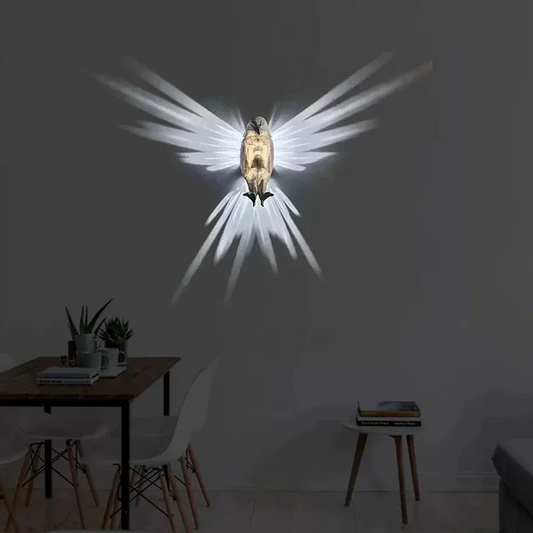
Eagle or Owl Wall Lamp, Battery Powered, No Wiring
Regular price $34.00 USDRegular price -
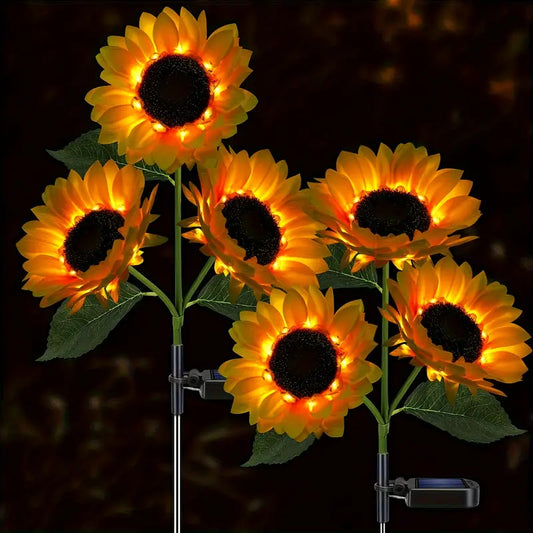
Solar Sunflower Garden Stake Lights, Set of 2
Regular price From $24.95 USDRegular price -
Ghost Campfire Plug In Night Light with Flame Bulb
Regular price $24.95 USDRegular price -
Solar Witch Garden Statue with a Glowing Lantern, 8.6 in
Regular price $39.00 USDRegular price -
Dancing Jellyfish Lamp, Hanging or on a Stand
Regular price From $39.95 USDRegular price -
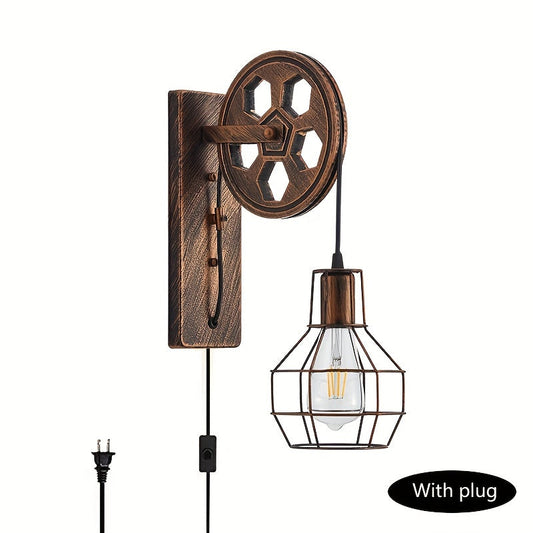
Pulley Wall Sconce with Cage Shade, Antique Metal
Regular price $59.00 USDRegular price -
Falling Snow Effect Night Light, Warm Glow
Regular price $29.00 USDRegular price -
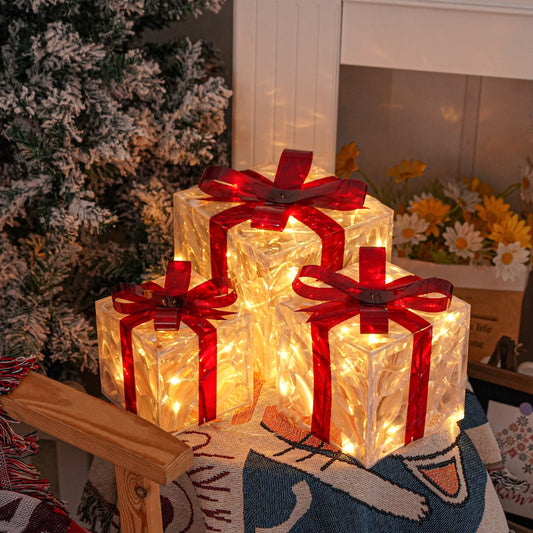
Light Up Christmas Gift Boxes, Set of 3 with LED Lights
Regular price From $39.00 USDRegular price





























Three jobs, and most lamps only do one
A room needs light for three separate reasons and almost no single fixture covers all three. Ambient light fills the space so you can walk through it. Task light puts 400 to 800 lumens on the page, the cutting board, or the keyboard. Accent light is the one people buy first and understand last: it exists to be looked at, not to read by.
Most of what sits in this collection is accent light. A stained glass table lamp or a molded LED tulip runs 20 to 100 lumens, against the 800 a 60 watt bulb used to give you. Put one on the nightstand as your only light and you will be squinting at a paperback by nine. Put it on a shelf across the room as the last thing still glowing after the ceiling light goes off and it does exactly the job it was built for.
So the question is not how it looks lit. It is which of the three jobs you still have open in that room.

How much light you actually need
Lumens measure light output. Watts measure electricity used, which stopped being a useful proxy the moment LEDs arrived. For translation: 450 lumens is the old 40 watt bulb, 800 lumens is the old 60, 1,100 is the old 75, and 1,600 is the old 100.
Add up every fixture in the room rather than judging any one of them alone. A living room that feels dim usually has one bright source doing all the work and three dark corners nobody thought about.
| What you are lighting | Lumens | What that looks like in the room |
|---|---|---|
| A whole living room | 1,500 to 3,000 total | Three or four sources, none of them the ceiling alone |
| Reading in a chair or in bed | 400 to 800 at the page | A shaded lamp with the bulb below eye level |
| A desk or a kitchen counter | 800 to 1,200 | Directional, aimed at the surface, not at your face |
| An accent or mood lamp | 20 to 100 | A glowing object. It lights itself and about a foot of table |
| A hallway or bathroom night light | 5 to 20 | Enough to find the door frame, not enough to wake you up |
Warm white, cool white, and why daylight bulbs feel wrong at home
Color temperature is measured in Kelvin, and the scale runs backward from what you would expect: low numbers are orange, high numbers are blue. Nearly every complaint about a new lamp feeling clinical or cheap traces back to this number rather than to the lamp itself.
The tell is easy. Look at the small print on the box or on the base of the bulb. Anything under 3,000 K is warm, 3,500 to 4,500 K is neutral or cool white, and 5,000 K and up is daylight. If the packaging is long gone, hold a sheet of white paper under the light: warm bulbs make it look cream, daylight bulbs make it look blue.
| Kelvin | Sold as | Reads as | Where it belongs |
|---|---|---|---|
| 1,800 to 2,200 K | Amber, candle, vintage | Deep orange, always dim | Lanterns, night lights, anything on after ten |
| 2,700 K | Warm white | The old incandescent bulb | Living rooms, bedrooms, nearly every accent lamp |
| 3,000 K | Soft white | Warm but a shade crisper | Bathrooms, kitchens, entryways |
| 4,000 K | Cool white, neutral | White with a blue edge | Workbenches, garages, task lighting over a counter |
| 5,000 to 6,500 K | Daylight | Blue white, close to noon sun | Makeup mirrors and detail work, rarely a living room |
Cord, plug or battery
Where a lamp can stand is decided by how it is powered, and that is worth settling before you fall for the shape. A corded lamp on a shelf with no outlet behind it becomes a cord running down the wall, and no amount of styling fixes that.
The three options break down like this:
- Corded. Unlimited runtime and a visible cable. Most decorative lamps ship with 5 to 6 ft (1.5 to 1.8 m) of cord, which sounds like plenty until it has to reach the floor and cross a rug.
- USB rechargeable. Six to 20 hours per charge depending on brightness, and it can sit on a windowsill or a dinner table with nothing trailing behind it. The battery is the part that ages, so expect shorter runtime after two or three years and check whether the cell is replaceable or sealed in.
- AA or AAA batteries. No charging cable to lose, and the cost lands on you every few months. Best for a lantern used a few evenings a year rather than a lamp that runs nightly.
Where an accent lamp earns its place
A small light on a big empty surface disappears. The same light in a corner, at the end of a shelf, or beside something with height reads as intentional, because there is now a reason for it to be there.
Two placements do most of the work. The first is a dark corner: one lamp at roughly 30 in (76 cm) off the floor stops a room having a black hole in it, and the effect is far larger than 60 lumens has any right to be. The second is against a wall, close enough that the wall becomes part of the fixture. A pierced metal lantern throws its pattern onto whatever sits 6 to 12 in (15 to 30 cm) behind it. Stranded in the middle of a table, that pattern lands nowhere.
Keep the bulb out of your sightline from where you sit. A bare glowing element at eye level flattens everything around it, which is why a lamp that photographs well can still make a room worse to sit in.

Cleaning a lamp without wrecking it
Dust is the quiet problem. A film on a shade or a glass panel cuts output over a year, and because it happens slowly nobody blames the dust. Unplug the lamp and let it cool first, then work by material.
Glass and acrylic take a microfiber cloth barely damp with water, then a dry pass. Skip ammonia glass cleaner on acrylic, since it clouds and micro cracks the surface within a few uses. Painted or plated metal wants a dry brush first, because dragging grit around with a wet cloth is what puts fine scratches in a finish. Leaded and stained glass get a dry cloth only, since water sitting in the seams works at the came over time.
Fabric shades are the ones people ruin. Vacuum with the brush attachment on low suction, or roll a lint roller across the outside. Do not submerge a shade unless the trim is stitched rather than glued, because most shade glue lets go in water and the fabric comes off the frame in one piece. If an integrated LED has gone dim rather than dirty there is nothing to clean: most are rated 15,000 to 30,000 hours, after which the fixture itself is the consumable.
Light you look at, instead of light you see by
Ceiling fixtures are bought for output. Everything here is bought for what it does to the dark, which is a different measurement, and it explains why a lamp shaped like a tulip or an aquarium is not a failed reading light. It was never trying to be one.
A lantern is a shell around a flame that is not there. A stained glass shade is a container that turns 40 lumens into red and amber across a table. The useful part is the empty space inside, and the shell decides what the light becomes on its way out.
The honest test: picture the object switched off, in daylight, where you plan to put it. It will spend most of its hours that way. If it holds up unlit, the glowing part is a bonus rather than the whole argument.
Common questions
How many lumens for a bedside lamp?
Between 400 and 800 lumens if you read in bed, which is the equivalent of an old 40 to 60 watt bulb. Below 400 you will be holding the book at an angle to catch the light. Decorative bedside lamps often sit near 100 lumens, which is fine as a soft glow before sleep but will not carry a chapter. If one lamp has to do both jobs, look for a dimmable model rather than splitting the difference.
Should I get warm white or cool white light bulbs?
Warm white at 2,700 K for anywhere you relax: living rooms, bedrooms, dining tables, and every accent lamp in this collection. Cool white at 4,000 K for anywhere you work with your hands, such as a garage, a laundry area, or a counter you chop on. Mixing the two in one room is what makes a space feel unresolved, so pick a temperature per room and keep every bulb in that room on it.
What are the disadvantages of cool white?
It makes wood, warm paint and skin look flat, and it reads as an office or a waiting room rather than a home. Higher color temperatures also carry more blue in the spectrum, which suppresses melatonin, so cool white in a bedroom late at night works against falling asleep. It has one real advantage, which is contrast on fine detail, and that is why it belongs over a workbench and not over a couch.
How to tell if light bulbs are warm or cool?
Look for the Kelvin number printed on the bulb base or the packaging. Under 3,000 K is warm, 3,500 to 4,500 K is neutral or cool white, and 5,000 K and above is daylight. With no packaging left, switch the lamp on in a dark room and hold a sheet of white printer paper under it. Warm bulbs turn the paper cream or faintly yellow, daylight bulbs leave it looking blue white.
Do all lamp shades fit all lamps?
No, and the mismatch is in the fitting rather than the size. A spider fitter sits on a metal harp above the socket, an uno fitter slides over the socket itself, and a clip-on grips the bulb. Those three are not interchangeable without an adapter. Check which fitting your lamp has before you shop, then size the shade so its height is about three quarters of the base height and its bottom edge hides the socket.
What are the five layers of lighting?
Ambient for general fill, task for what your hands are doing, accent to pick out an object or a wall, decorative for fixtures that are themselves the point, and natural daylight, which is the one people forget to count. A room reads as well lit when it has at least three of the five working at once. Most rooms that feel harsh have only ambient, and it is coming from a single fixture in the ceiling.
Are LED night lights safe to leave on all night?
Yes for the light itself. An LED night light draws under 1 watt, runs cool to the touch, and costs roughly a dollar a year to leave on. The risk lives in the wiring rather than the diode: a cracked plug body, a scorched outlet, or a cheap unbranded adapter running hot. Check the plug for discoloration every few months, and use a warm amber unit rather than a white one in a bedroom so it does not interfere with sleep.
