
Collection: New Arrivals
What landed most recently, gathered before it settles into a category. Useful if you have been here before and want to see only what is new. Everything on this page also sits in its own collection, so nothing here is findable only from here.

-
Heart-Shaped Chunky Knot Cotton Cushion, Twelve Colors
Regular price $64.97 USDRegular price -
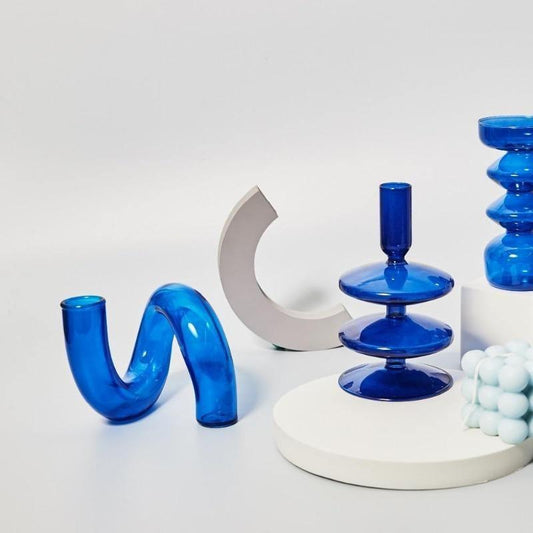
Blue Glass Taper Candle Holder in Seven Shapes
Regular price From $31.97 USDRegular price -
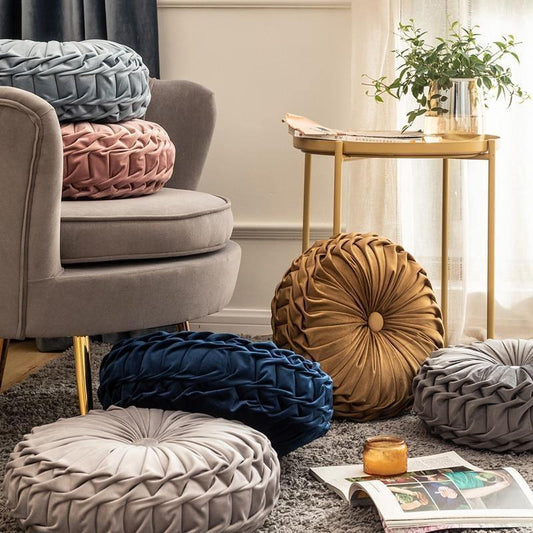
Round Velvet Ruffle Cushion with a Center Button
Regular price $50.97 USDRegular price -
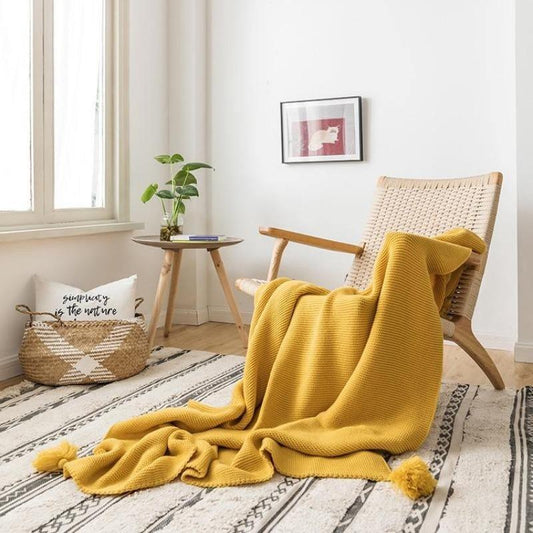
Knitted Throw Blanket with Corner Tassels
Regular price $82.97 USDRegular price -
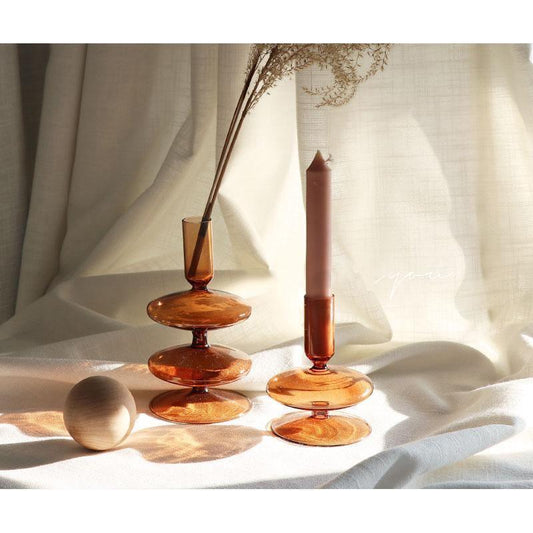
Brown Borosilicate Glass Taper Candle Holders
Regular price From $36.97 USDRegular price -
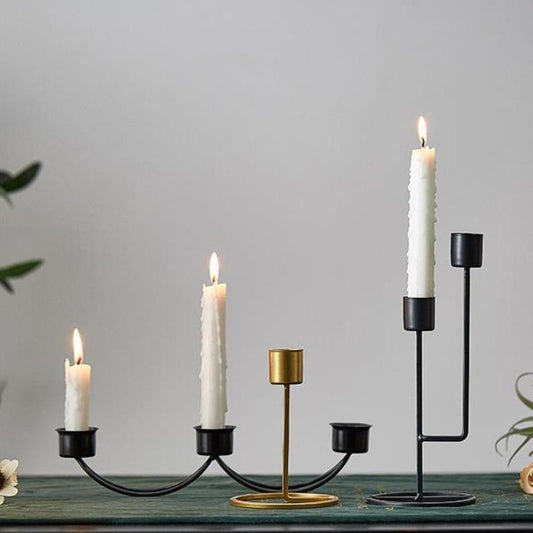
Metal Taper Candle Holders and 2 or 3 Arm Candelabras
Regular price From $25.95 USDRegular price -
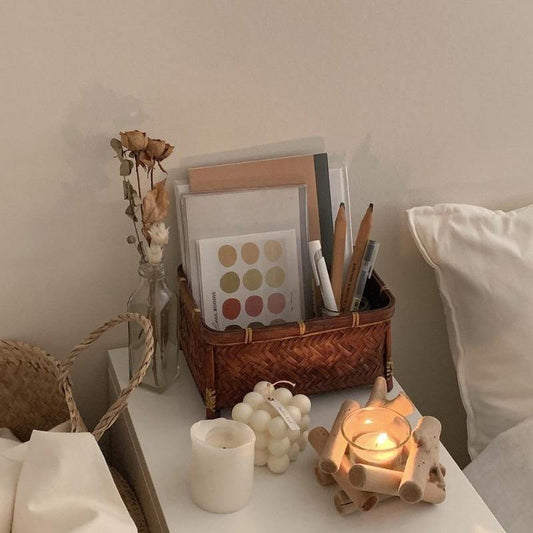
Reclaimed Wood Tealight Candle Holder with Glass Cup
Regular price $27.95 USDRegular price -
Slim Rectangular Acrylic Bud Vase, 7 in Tall
Regular price From $59.00 USDRegular price -
Mirrored Silver Glass Vase, Small or Large
Regular price From $102.97 USDRegular price -
Etched Clay Vase in Three Sizes, 8 to 13 in Tall
Regular price From $55.97 USDRegular price -
Basketweave Ceramic Vase, Matte Porcelain, 10 in Tall
Regular price $129.00 USDRegular price -
Small Glass Bud Vases, Set of Three
Regular price $69.97 USDRegular price -
Flower Cutout Ceramic Vase, Six Colors and Sizes
Regular price From $60.97 USDRegular price -
Frosted Borosilicate Glass Vase and Bowl
Regular price From $84.00 USDRegular price -
Satin Ceramic Vase in Moon, Round, Open or Pot
Regular price From $57.97 USDRegular price -
Hand Woven Rattan Vase for Dried Flowers
Regular price $88.97 USDRegular price -
Upside Down Colored Glass Bud Vase in Four Shades
Regular price $24.97 USDRegular price -
Skull Knife Block for Seven Knives, Hand Painted
Regular price $49.00 USDRegular price










What this page is, and what it is not
This is a filter on one thing: the date a piece was added to the site. It is not a category, not a theme, and not an edit of anything. A vase, a lamp and a soap dish can sit next to each other here with nothing in common except that they landed in the same month.
Everything on this page also lives in its own collection, so nothing here is findable only from here. If you know what you want, going straight to vases or lighting will always be faster, because those pages are sorted by what a thing is rather than by when it turned up.
This page is useful in exactly one situation: you have been here before, you have already seen the catalog, and you want the difference. Read it that way and it works. Read it as a curated selection and it will feel random, because it is.
Reading a page that changes every few weeks
New pieces arrive in batches rather than on a schedule, which is how most small catalogs work. A supplier makes a run, it gets photographed and written up, and a handful of pieces appear together. That means this page can be identical for three weeks and then turn over half its grid in a day.
The sensible habit is to bookmark the category you actually care about rather than this page. A piece only sits here for a while, then drops off as newer things arrive, but it stays in vases or storage or lighting for as long as it exists. Bookmarking this page and expecting to find something again is how people conclude a piece has been discontinued when it has simply moved out of the newest window.
If a specific piece matters to you, open it and save that page. Collection pages are lists, and lists change. A product page is the only stable address a piece has.
Judging size from a photograph
Almost every decor return comes down to the same thing: it arrived smaller than the picture suggested. Photographs have no scale of their own, and a piece shot alone against a plain background can be 4 in tall or 24 in tall with no way to tell.
So do not judge size from the photo. Read the dimensions in the description, then find something in the frame you already know the size of and check whether the two agree. Every studio photograph accidentally contains a reference: a book, a mug, a wall outlet, a hand. If the stated height is 10 in and the piece is standing next to a coffee mug that reaches halfway up it, the numbers are honest.

| Object in the frame | Real size | What it tells you |
|---|---|---|
| US wall outlet plate | 4.5 x 2.75 in | The most reliable ruler in any interior photo |
| Hardback book, standing | About 9 in tall | Good for shelf pieces and small vases |
| Coffee mug | 3.5 to 4 in tall | Table and desk objects |
| Dinner plate | 10 to 11 in across | Bowls, trays and anything flat |
| Soda can | 4.83 in tall, 2.6 in across | Diameter, which photos distort more than height |
| Tea light | 1.5 in across, 0.6 in tall | Whether a candle holder takes a tea light or a taper |
| Sheet of letter paper | 8.5 x 11 in | Cut one out and put it on the shelf before you buy |
What a listing photo is not telling you
The second most common surprise is quantity. A photograph showing four vessels usually exists because a supplier makes four shapes, not because four are in the box. The price is almost always for one, and which one is decided by the variant you pick before adding to cart. Check the variant name and the quantity line, in that order.
After that, check what is in the piece rather than what is around it. Flowers, branches, fruit and folded linen are styling and do not ship. Neither does the shelf, the plaster wall or the light coming in from the left, which is doing more work than the object in most of these photographs.
Color is the last one. Studio lighting is neutral and daylight balanced. A warm bulb in your living room shifts a cool gray toward beige and drains the blue out of a green glaze. Anything you are matching to something you already own is safer bought in a material that reads as itself, like clear glass, natural wood or plain white ceramic, rather than in a specific mid tone.

Buy now or come back on Thursday
A page of new things is designed, by its nature, to be interesting rather than useful. That is worth naming, because it changes how you should use it. The purchases that survive are the ones where you came in with a hole to fill and left with something that fills it.
The 48 hour rule handles the rest and costs nothing. Put the piece in the cart, close the tab, and come back two days later. Anything you still want after two days you wanted for a reason. Anything you have forgotten about was the photograph doing its job. People who try this for a month generally report saving a few hundred dollars, and the mechanism is boring: waiting removes the mood, and the mood was most of it.
The test that beats both is a physical one. Say out loud where the piece is going: which shelf, which surface, which corner. If you cannot name a spot, you are not buying an object, you are buying an idea of a room, and the object will end up in a cupboard while the idea stays where it was.
| Situation | What to do |
|---|---|
| You have measured the space and it fits | Buy it. Measuring is the part people skip and regret |
| You can name the exact surface it goes on | Buy it |
| You like it but the spot is theoretical | Wait two days. Most of these do not survive the wait |
| It only works if you buy a second thing to go with it | Price both, then decide. That is the real cost |
| You are shopping because the day was bad | Close the tab. This is the purchase that gets returned |
| You are one item short of free shipping | That is a threshold doing the choosing, not you |
The specification lines worth checking every time
Regardless of what the piece is, the same handful of details decide whether it works in your house, and they are the ones that get skimmed. Read them before the description, not after.
What is it made of, in one word: ceramic, glass, resin, steel, bamboo. That single word predicts weight, whether it chips or dents, and whether it survives a bathroom. Then: does it hold water, and does it say so. An unglazed interior weeps slowly, and a planter without a drainage hole is a cachepot rather than a pot, whatever it is called.
Then power, if it has any. Mains, USB or battery decides where a piece can physically live, and a USB item needs an outlet or a port within cable reach of the shelf you had in mind. Then food contact, if you will eat or drink from it, which means checking for a liner rather than assuming. Then outdoor rating, which is never implied by a photograph taken in a garden. And finally the weight, because a heavy object on a floating shelf is a different decision from a light one.
Getting a new piece to look like it belongs
A new object rarely looks right in the first spot it lands, and the usual reaction is to conclude it was a mistake. Give it three placements before you decide. Objects change character with what is behind them, and a piece that looks fussy on a busy shelf often looks deliberate on an empty one.
Group in odd numbers at different heights: three pieces at three heights read as arranged, four at the same height read as stock. Books make free risers. And keep one surface as the place where new things go, so the room absorbs a change in one spot rather than gaining a scattering of unrelated objects in six.
The rule that keeps a house from silting up is the plain one. Something new arriving means something leaves the surface it landed on, even if that something goes into a cupboard for a while. A room has a fixed number of places where the eye can rest, and adding an object without removing one spends that budget rather than growing it.
Ask what is going to go inside it
Almost everything sold here is a container of some kind, which gives you a useful question for anything new: what goes in it, and do you already own that thing? A vase implies stems, and stems imply a weekly trip you may not make. A large basket implies enough of something to fill it, and a half filled basket looks worse than no basket. A propagation vessel implies a plant you are willing to cut.
If the honest answer is that you would need to start a new habit to make the object work, the object is not the purchase. The habit is, and it is worth deciding on that separately.
The pieces that turn out to be worth their shelf are usually the ones that took over a job something else was already doing badly. Keys in a bowl by the door instead of on the counter. Cables in a lidded box instead of in a drawer. Those work from the first day, which is why they are still out a year later.
Common questions
How often are new products added?
In batches rather than on a fixed day. A supplier finishes a production run, the pieces get photographed and written up together, and they appear as a group. In practice that means this page can sit unchanged for a few weeks and then turn over a large part of its grid at once, so checking daily gets you very little and checking monthly gets you almost everything.
How do you know when a store restocks?
For a small catalog there is usually no published restock schedule, because restocking depends on whether the maker runs the same piece again. The reliable signal is the product page itself rather than a collection page: open the piece you want and use whatever back in stock notification the page offers. Watching a category page for a reappearance works poorly, since a returning item does not necessarily come back into the newest window.
Will something be restocked if it sells out quickly?
Sometimes, and it is not safe to assume. Selling out fast makes a repeat run more likely, but the decision sits with whoever makes the piece, and small runs of ceramics and glass are often not repeated in the same glaze or color. If a piece matters to you, treat availability as the current fact rather than a promise, and do not plan a pair around finding a second one later.
What is the 48-hour rule for shopping?
Put the item in the cart, then wait two days before completing the order. It works because impulse comes from a mood and the mood does not last two days, while an actual need does. People who try it for a month typically find that a good share of what they parked never gets bought, and that they no longer remember what most of it was. It costs nothing and needs no app.
What are the three impulse buying traps?
Urgency, thresholds and mood. Urgency is any cue that implies you have to decide now. Thresholds are the free shipping minimum or the multi buy price that makes a second item feel free when it is not. Mood is shopping to feel better, which is the one that produces the highest return rate. Naming which of the three is operating usually ends its effect on the spot.
What makes a home look cheap?
Scale mistakes more than price. Objects that are too small for the surface they sit on, art hung too high, lamps undersized for the table, and rugs that float in the middle of the floor all read as wrong regardless of what anything cost. The second offender is matching sets, since a room of pieces bought together looks ordered from a page rather than assembled. Mixed materials at varied heights read as considered.
What are the most common home decor mistakes?
Buying before measuring, buying to fill space rather than to do a job, and buying a single small object where the surface needed one large one. Add to that lighting a room from a single ceiling fitting, which flattens everything under it no matter what you have put on the shelves. Almost all of these are avoidable with a tape measure and one lamp at table height.
