
Collection: Plush Toys
Soft toys for people who will admit to owning one. Weighted, oversized and character plush, with their real dimensions on each page. Check the size before ordering: photographs flatter plush more than any other category, and a bed sized animal arrives bed sized.

-
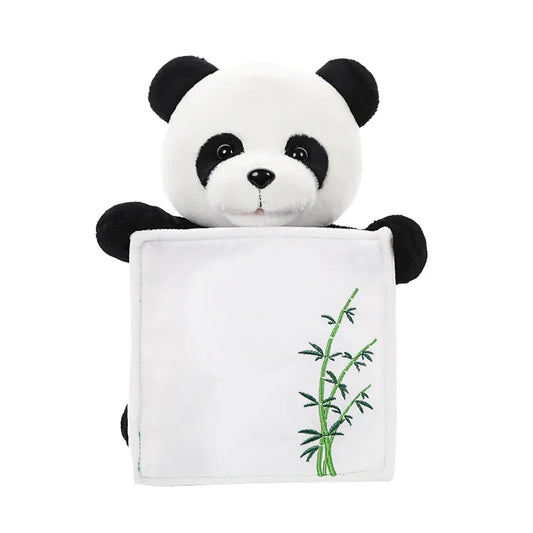
Peekaboo Plush Panda with Music and Moving Paws
Regular price $39.00 USDRegular price -
Sad Hamster Meme Plush Toy with Violin Sound
Regular price From $14.95 USDRegular price -
Peek a Boo Plush Elephant Toy with Moving Ears
Regular price $34.95 USDRegular price -
Wolf in Sheep Costume Plush, Two Sizes
Regular price From $39.00 USDRegular price -
Muscular Teddy Plush with Sculpted Six Pack
Regular price $39.00 USDRegular price -
Musical Plush Fruit Toy, Singing Strawberry, Banana, Carrot
Regular price From $39.00 USDRegular price -
Giant Long Leg Plush Teddy Bear, 31.5 or 39.4 in
Regular price From $39.00 USDRegular price -
Highland Cow Plush Toy, 15.8 in Tall, Two Colors
Regular price $39.00 USDRegular price -
Floppy Eared Rabbit Plush Toy, 15.8 in Tall
Regular price $39.00 USDRegular price -
Panda Plush Toy, 11.8 in Chunky Sitting Size
Regular price $39.00 USDRegular price -
Banana Peel Dinosaur Plush Stuffed Animal
Regular price $39.00 USDRegular price



The number in the listing is not one measurement
A plush listed at 12 inches (30 cm) can arrive reading 9 inches once it is sitting up, because the number was taken with the toy laid flat and the tape run from the foot to the tip of the ear. Nobody is lying. There is no shared method across factories, so the same tape lands three different ways depending on who held it and whether the ears counted.
Read the photos instead of the number. A plush shot on a bed against a standard pillow gives you a scale you can trust, since a standard US pillow runs about 26 inches (66 cm) across. A hand in the frame is even better: wrist to fingertip is roughly 7 inches (18 cm) on most adults, which makes a hand the most useful ruler in any product photo. A plush floating alone on a white background tells you nothing at all.
Then put a tape measure on the shelf, the bed corner or the desk where it will actually live, and read the number out loud before you order. Most regret with plush is a size mismatch and not a quality problem.
What each size is actually for
Height decides where a plush can live, and the mistake runs in both directions: a small one bought to fill a bed, or a large one bought for a desk that then loses the desk.

| Height | Where it works | What goes wrong |
|---|---|---|
| 6 to 8 in (15 to 20 cm) | Desk, car dash, shelf beside books, top of a bag | Vanishes into a pile of cushions on a bed |
| 10 to 12 in (25 to 30 cm) | Carried under one arm, sleeps on a pillow, packs in a suitcase | Too small to read across a room |
| 16 to 18 in (40 to 46 cm) | Corner of a couch, a reading chair, a made bed | Takes a seat a person wanted |
| 24 to 30 in (60 to 76 cm) | Floor beside a bed, corner of a room, photo prop | Needs a bathtub to wash and two days to dry |
| Over 3 ft (91 cm) | A single statement object, or a gift carried in with both arms | No home machine takes it, and storage becomes a real question |
The fill decides how it feels in your hands
Almost everything you notice in the first three seconds of holding a plush comes from what is inside it. The fabric is what you see in the photo, the fill is what you are actually buying, and factories describe it in their own vocabulary.

| Fill | Feel | Holds a shape | How it ages |
|---|---|---|---|
| Polyester fiberfill, loose | Light and springy, air with fiber in it | Loosely, softens fast | Flattens where it gets held most, usually the middle |
| PP cotton, packed | Dense, firm, stands unsupported | Yes, stitched panels stay readable | Stays firm, can feel stiff for the first week |
| Foam or micro beads | Slumps and pools around your hand | No, it takes the shape of whatever it sits on | Beads migrate downward, the top goes hollow |
| Weighted pellets in the base | Heavy, stays in a lap, sits upright | At the base only | Pellets settle and can start to rattle |
| Memory foam pieces | Squashy, slow to spring back | Partly | Crumbles over a few years, then powders |
The surface, six months in
Short pile plush, the smooth kind about a sixteenth of an inch deep, keeps its nap longest and hides the least. Every mark shows on it, but a damp cloth takes most marks off, and the pile goes back where it was. Minky and the very soft slippery finishes feel better on day one and flatten where hands hold them, which after six months means a dull patch across the belly and the back of the head.
Long shaggy fur is the one that changes most. It mats and tangles the way a dog coat does, and the fix is the same tool: a pet slicker brush, worked in short strokes in the direction of the nap. Do it before the tangles set rather than after. Knit cotton and corduroy pill instead of matting, which looks worse and washes better.
Color changes the maintenance more than the material does. White and cream collect lint from every couch they touch. Dark brown and black show dust and hair from a foot away. Mid tones, rust, mustard, sage, gray, hide both, which is why so many plush arrive in exactly those colors.
Washing a plush without matting it
Machine washing is rarely what ruins a plush. Heat is. A tumble dryer felts the pile into a mat you cannot brush out, and it softens the glue behind plastic eyes and noses until they sit crooked. That damage is permanent, and it happens in one cycle.
For anything sewn shut with no electronics inside: put it in a mesh laundry bag, or a pillowcase knotted at the top, so the seams take no direct beating from the drum. Cold water, the gentle or delicate cycle, a small amount of mild detergent, no bleach and no fabric softener, since softener coats the fibers and kills the loft you are trying to protect.
Then air dry, and give it longer than you think. A 12 inch plush takes about 24 hours, an 18 inch one closer to 48, and a fan pointed at it cuts that in half. Press the water out between two towels rather than wringing, which is what tears interior seams and moves the stuffing into a lump. Brush the pile back while it is still damp, and it dries in the direction you brushed.
The ones that cannot go in a machine
A music box or a battery compartment, glued-on parts, foam bead fill and very long fur all rule out the drum. Feel through the fabric before you commit: a hard rectangle inside the body is a sound module, and water in a sound module ends the sound.
Spot clean those instead. A cloth barely damp with cool soapy water, worked in small circles from the outside of the mark inward, then a second cloth with plain water, then blot dry with a towel. Working inward stops you from spreading a ring wider than the stain you started with.
For smell rather than dirt, the dry method works and takes no water at all. Seal the plush in a bag with a few spoonfuls of baking soda, shake it, leave it an hour or overnight, then vacuum the powder off through a stocking stretched over the nozzle so the suction never touches the pile. Baking soda pulls odor and dust. It does nothing to a stain, so do not expect it to.
Read the pieces before you buy
No product photo can tell you how a toy will be handled once it is out of the box, and no listing knows the household it lands in. What a photo does show clearly is how the parts are attached, and that is the detail worth reading closely.
Embroidered eyes, noses and mouths are stitched into the fabric itself, so they are part of the body. Plastic eyes, buttons, bells, bows, ribbons, sewn-on clothes and hang tags are separate pieces, held by a glue joint, a thread, or a plastic washer behind the fabric. Count them. A plush with two embroidered eyes and a stitched mouth has nothing to shed. A plush with a bow, a bell, a tag and molded claws has four separate things that can come away.
Judge by the size of those pieces as well, since size is the part you can actually assess from a photo next to a hand or a ruler. Anything roughly bottle cap sized or smaller is a piece to think about deliberately, in the context of who will be holding the toy and how closely. When the plush arrives, pull gently at the seam behind the head and at any limb: a seam that opens under light pressure will open again, and it is easier to send it back than to keep restitching it.
Who ends up keeping it
A good share of plush now goes to the person paying for it. Desks, car seats, bedsides, office chairs: an adult buying for themselves buys differently, looking for a joke, a reference, or one specific animal they have decided on, and a generic bear does not do that job for them.
As a gift, the size carries the message before the animal does. A 6 inch plush goes in a coat pocket and lands as a small aside. A 24 inch one gets carried through a room with both arms, and everybody watches it arrive. Pick the size for the reaction you want, then the character second.
The trade with plush never changes, whatever you buy. You are paying for volume rather than weight. A 20 inch bear weighs about two pounds and occupies a permanent seat on the couch, and it will still be occupying it in a year. Measure the seat first, then buy the bear.
Common questions
How do I measure my plush for the right size?
Measure the space before you measure the toy. Run a tape over the shelf, the bed corner or the desk and note the height and depth you are willing to give up. Then compare that against the listed height, assuming the listing was taken with the plush laid flat and the ears counted. A seated plush usually reads about a quarter shorter than its listed number.
Is a 12 inch plush big?
It is the middle of the range and the most common size sold. At 12 inches (30 cm) it fits under one arm, sits on a pillow without covering it, and reads clearly from across a small room. It is not a large plush: on a couch or a queen bed it looks like an accessory rather than a presence. For presence you want 18 inches (46 cm) and up.
How big should a plushie be?
It depends on where it will sit, which is the only question worth answering first. For a desk, a car or a shelf beside books, 6 to 8 inches. For carrying and sleeping, 10 to 12 inches. To hold the corner of a couch or a made bed, 16 to 18 inches. Past 30 inches you are also buying a washing problem and a storage problem, so decide on those before the size.
How to wash stuffed animals without ruining them?
Put the plush inside a mesh laundry bag or a knotted pillowcase, wash cold on the gentle cycle with a small amount of mild detergent, and skip the fabric softener. Then skip the dryer entirely, because dryer heat mats the pile permanently and softens the glue behind plastic eyes. Air dry with a fan pointed at it, 24 hours for a small one and up to 48 for a large one, and brush the pile back with a slicker brush while it is still damp.
How to clean stuffed animals without a washing machine?
Hand wash in a sink of cool water with a spoonful of mild detergent, pressing the water through rather than wringing, then press it out between two towels. For anything with a battery box, glued parts or bead fill, do not soak it at all: spot clean with a barely damp cloth, working from the outside of the mark inward. For smell instead of dirt, seal it in a bag with a few spoonfuls of baking soda, shake, leave it an hour, then vacuum the powder off through a stocking over the nozzle.
What are plush toys filled with?
Nearly always polyester fiberfill, which factories also list as PP cotton. The two names cover the same polyester at different densities: loose and springy, or blown in hard so the toy holds a shape on its own. Beyond that you see foam or micro beads for a slumping feel, and plastic or glass pellets sewn into the base so the toy sits upright instead of tipping. The fill sets the feel and most of the price, and the outer fabric sets the look.
Is a plushie a good gift?
It works when it carries something specific: an animal the person has talked about, a running joke, a reference only the two of you get. A generic bear reads as a filler gift and gets shelved. Size does half the talking too, so a pocket sized one lands as an aside and a two foot one lands as an event. Buy the reference first and the size second.
