
Collection: Bath
A bathroom shows every object it holds, because there is nowhere to put them away. Soap dispensers, tissue holders and trays chosen to sit in the open. Check the material against constant damp: untreated wood in a shower room does not last a year.

-
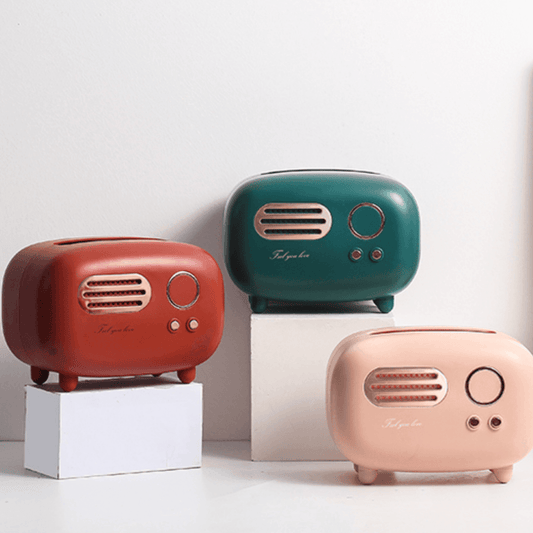
Retro Radio Tissue Box Cover for Standard Boxes
Regular price $26.97 USDRegular price -
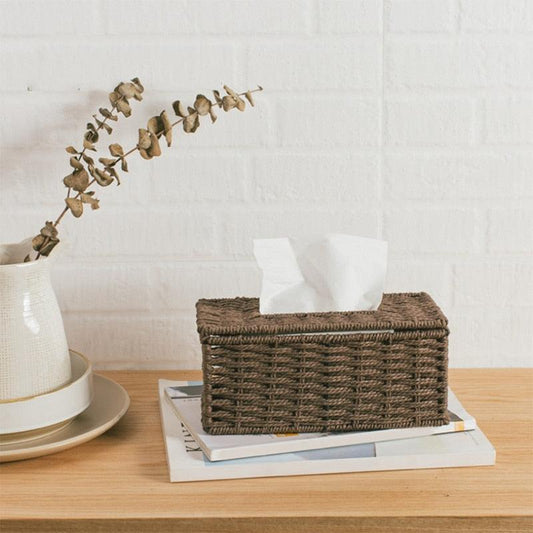
Woven Wicker Tissue Box Cover, 9 x 5 x 4 in
Regular price $34.97 USDRegular price -
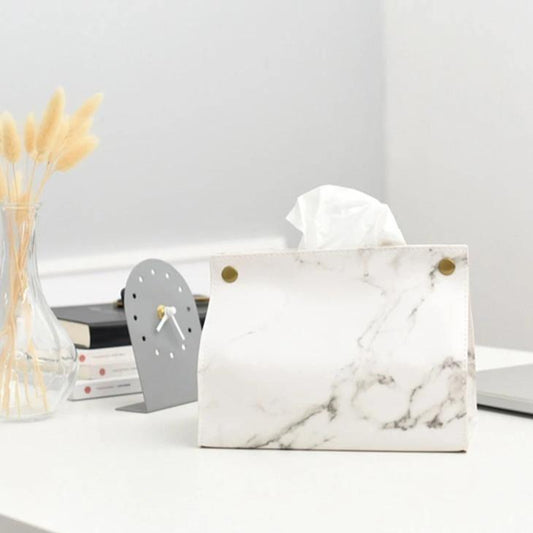
Marbled Vegan Leather Tissue Holder with Button Closure
Regular price $31.97 USDRegular price -
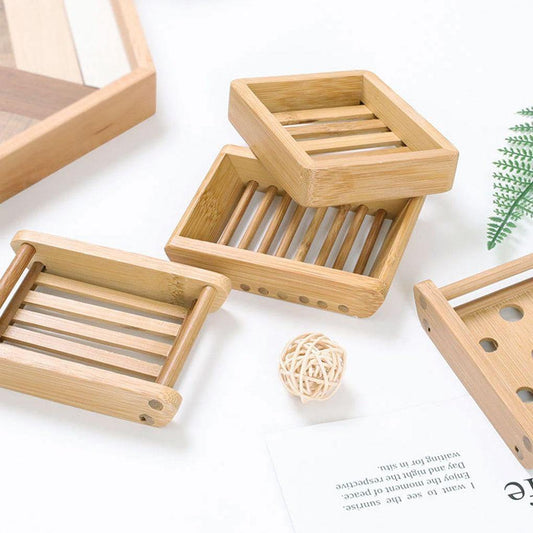
Slatted Bamboo Soap Dish for Bath or Kitchen
Regular price $15.97 USDRegular price -
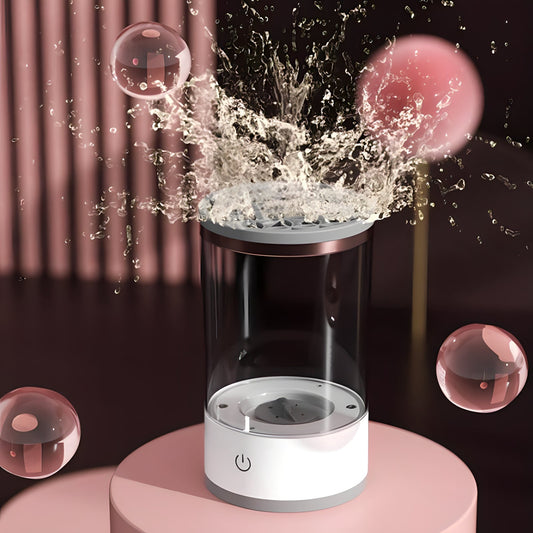
Automatic Makeup Brush Cleaner and Dryer
Regular price $39.00 USDRegular price -
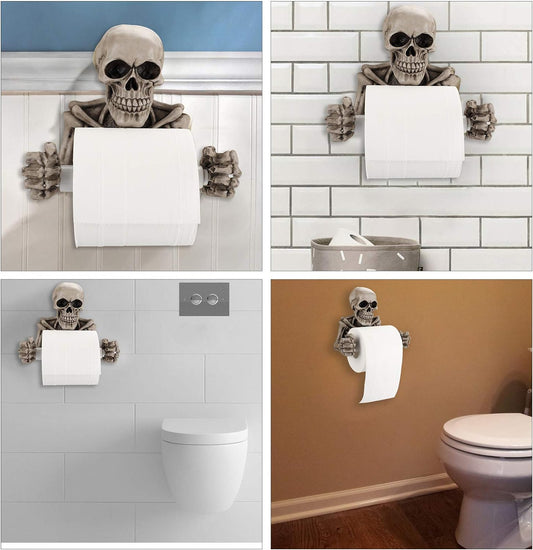
Skull Toilet Paper Holder with Spindle
Regular price $49.00 USDRegular price -
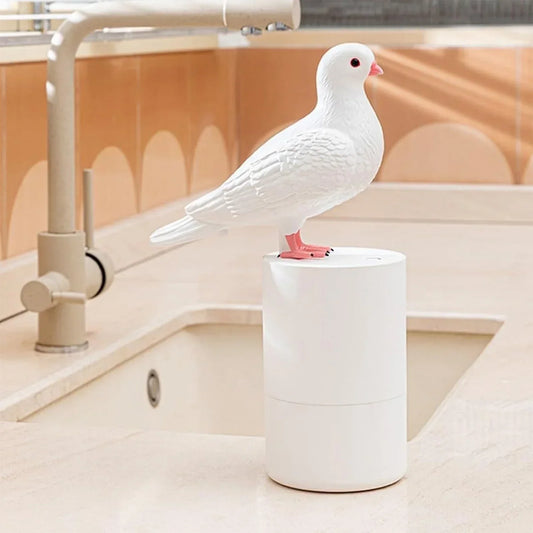
Pigeon Soap Dispenser with Pump, 10.8 in Tall
Regular price $59.00 USDRegular price -
Sheep Shaped Metal Toilet Paper Holder
Regular price $29.95 USDRegular price -
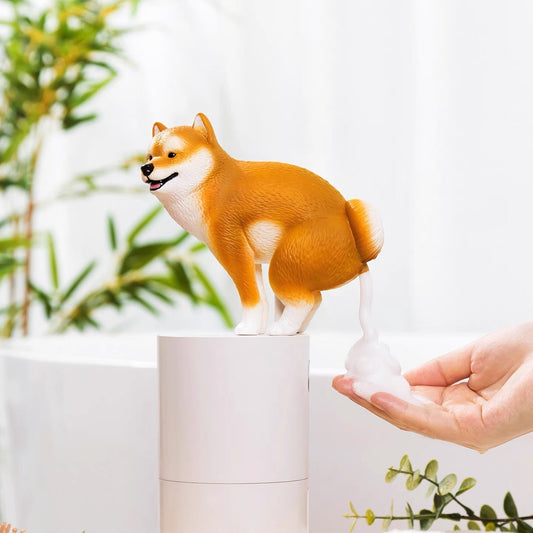
Shiba Inu Soap Dispenser for Kitchen or Bath
Regular price $69.00 USDRegular price -
Dinosaur Hatchling Soap Dispenser in Cast Resin
Regular price $39.00 USDRegular price -
Stone Texture Ceramic Soap Dispenser with Pump
Regular price $39.00 USDRegular price -
Bath Bomb Set of 20 with a Hidden Animal Toy Inside
Regular price $49.00 USDRegular price -
Floating LED Bath Fountain Toy, 4.3 in Wide
Regular price $39.00 USDRegular price -
Ballerina Silhouette Wooden Tissue Box Cover
Regular price $39.00 USDRegular price











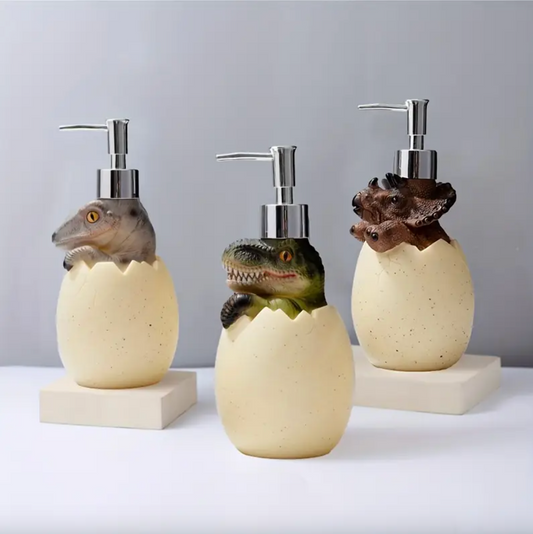

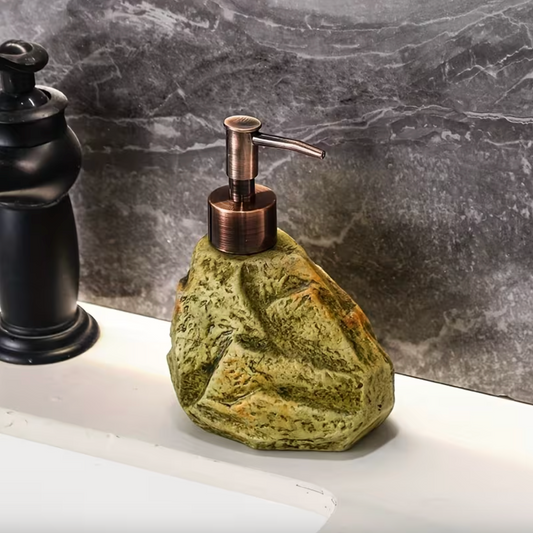







Damp is the test every bathroom object has to pass
A living room sits at 40 to 50 percent relative humidity. Run a hot shower in a bathroom of 40 sq ft (4 sq m) and the air passes 90 percent within five minutes, then holds above 70 percent for the best part of an hour after you open the door. Everything left on the counter or the shelf spends that hour inside a cloud, twice a day, for years.
Three failures follow, and they follow in order. Untreated wood drinks the moisture, swells, dries, and splits along the grain, usually inside the first year. Mild steel and thin chrome plating rust from the underside and from inside the screw holes, where you notice it only once the stain has reached the outside. Adhesive mounts creep, because the glue loses grip as the tile warms toward 100 F (38 C) and the wall behind it never fully dries between showers.
The one thing you control at no cost is airflow. Run the extractor fan for fifteen minutes after the shower instead of switching it off with the light, and leave the door ajar. That habit does more for a bamboo tray or a wooden brush than any coating sold to protect it.
What each material actually does in a wet room
Listings describe bathroom accessories by finish and almost never by behavior. Behavior is the part you live with for the next five years, so here it is by material.

| Material | In constant damp | Marks and limescale | What fails first |
|---|---|---|---|
| Bamboo | Holds up if water can drain away and it dries between uses | White rings where a wet bar has been sitting | Splits along the grain, then goes black with mildew |
| Teak | Best of the woods, its own oil repels water | Silvers over time, which most people accept | Dries out and goes gray if you never oil it |
| Glazed ceramic | Unaffected, the glaze is glass | Scale shows white on dark glazes | Chips at the rim the first time it falls in the sink |
| Glass | Unaffected | Shows every water spot and every fingerprint | Breaks, in a room where you are barefoot |
| Stainless steel 304 | Spots but does not rust | Fingerprints on polished, far fewer on brushed | Cheaper grades pit around the base |
| Brass | Solid brass survives, plated brass does not | Darkens, which is patina or damage depending on your taste | Lacquer flakes and the finish goes patchy |
| Resin | Waterproof, no swelling, no rust | Wipes clean and holds no scale | Cracks if dropped, yellows in strong sun |
| Plastic | Waterproof and cheap | Soap film clings to it more than to glass | Goes brittle, and the pump fails before the bottle |
Buy a soap dispenser by its pump, not by its shape
The usual disappointment is not the bottle, it is the pump refusing to work with the soap you already own. A foaming pump whips soap with air through a fine mesh, and that mesh is sized for a liquid about as thin as water. Fill it from a standard supermarket hand soap bottle and it clogs, generally on the third or fourth press, and no amount of pumping clears it.

| Pump | Soap it wants | What the wrong soap does |
|---|---|---|
| Foaming pump | Foaming soap, or one part hand soap to four parts water | Standard soap blocks the mesh within a week |
| Standard lotion pump | Hand soap, dish soap, thick body wash | Thin foaming soap runs straight off your hand |
| Standard pump, castile soap | Castile diluted about one part to three | Neat castile is thin and slippery, so every press gives twice the dose you wanted |
| Push top or press plate | Anything, gravity does the work | Drips onto the counter between uses |
How much soap a dispenser should actually hold
Capacity settles what the pump started. A dispenser of 8 to 12 fl oz (240 to 350 ml) covers a family sink for roughly three weeks and empties a standard refill bottle without leftovers. Under 6 fl oz (180 ml) you are refilling every few days, which is how a dispenser ends up sitting empty. Over 16 fl oz (475 ml) it is heavy enough to slide across the counter when a child pushes the pump one handed.
Look at the neck before you look at the price. Soap dries into a crust around the dip tube and inside the shoulder of the bottle, and a mouth wide enough for a bottle brush is the difference between a dispenser you refill and one you throw away. Glass and ceramic bodies almost always have the wider opening. Slim resin bottles almost never do.
The same question runs through the rest of the room. A toothbrush holder wants a base you can reach into and drainage under the bristles, since four brushes in a sealed tube produce a gray ring in a fortnight. A tissue box cover wants the dimensions of the box you actually buy, which in the United States means a 9 by 5 in (23 by 13 cm) rectangular box or a 4.5 in (11 cm) cube, and those two are not interchangeable.
Why the suction cup lets go at two in the morning
A suction cup holds because air pressure pushes on the outside of a seal with nothing behind it. It needs a smooth, non porous, unbroken surface of about 2 in (5 cm) across. Textured tile, matte tile, natural stone and every grout line break that seal, so the cup bleeds air slowly and the caddy comes down in the dark with four bottles in it.
Heat makes it worse. Air trapped under the cup expands during a hot shower and contracts as the room cools, and each cycle pushes a little more air past the rim. That is why a cup that held all week fails in the second week rather than on the first day.
The honest fixes are short. Wipe both the tile and the cup with rubbing alcohol first, since a film of soap between the two surfaces is the most common cause. Set the cup on flat glass or the middle of a whole tile, never across a grout line. A thin smear of petroleum jelly on the rim buys a few more weeks. If the thing has to carry real weight, stop trying: an over the door caddy, a tension pole in the corner of the tub, or a holder that simply stands on the floor asks nothing of the wall. Adhesive pads with a silicone backing do grip textured tile where a cup cannot, but they want 24 hours to cure before you load them, and almost nobody waits.
Limescale, and the surfaces vinegar will ruin
The white crust on glass, chrome and the foot of a soap dispenser is calcium carbonate, left behind as hard water evaporates. It is alkaline, so an acid dissolves it. Household white vinegar at 5 percent acetic acid does the work for about a dollar a bottle, and it works by contact time rather than by effort.
Soak, do not wipe. Half vinegar and half warm water in a spray bottle, paper towels laid over the glass so the liquid cannot run off a vertical surface, and thirty minutes of leaving it alone. Two hours if the crust is thick. For a shower head, tie a freezer bag of neat vinegar around it overnight. Rinse properly afterward, because vinegar left sitting on chrome dulls it over a few months.
Now the part the cleaning videos skip. Vinegar etches natural stone on contact, so keep it off marble, travertine, limestone and any stone tray or dish. It strips lacquer from brass and takes the finish with it, and on unsealed brass it leaves a pink cast that polishing does not lift. Left more than a few hours it attacks the rubber seals inside a shower head, and it dulls bare aluminum. For all of those, warm soapy water and a soft cloth, more often.
In a small bathroom, one tray beats another shelf
A bathroom with no cupboard is rarely short of surface. It is short of edges. Bottles spread across a counter because nothing tells them where to stop, and adding a shelf simply gives them a second place to spread. A tray of about 12 by 8 in (30 by 20 cm) fences the six things you touch every day, and it lifts all six in one movement when you wipe the counter underneath.
Group by moment rather than by category. Everything for the morning in one tray, everything for a long bath in another, and the spares out of the room entirely. A container with room to spare is worse than none at all, because the limit is the whole point: when the tray is full, something has to leave.
Then go vertical. A caddy hung from the shower head or a pole wedged into the corner clears the tub rim, which is the ledge that grows the pink film. The wall above the cistern, the back of the door and the strip beside the mirror are the three places nobody uses and nobody has to drill.
The room that cannot put anything away
Every other room hides its supplies in a drawer. A bathroom keeps its cotton buds, its spare roll, its toothbrushes and its soap within reach of a wet hand, which means the containers are on show from morning to night. That is a harder brief than it sounds, and it is why the choice of vessel counts for more here than in a kitchen.
So ask what goes inside it, and how much. Three weeks of soap and a mouth you can clean. A roll holder that takes the 4.5 in (11 cm) rolls you buy in a twelve pack rather than the slim ones in the photograph. A tray sized to the six items rather than to the counter. Get the volume right and the object stops reading as clutter and starts being the reason the counter looks clear.
Common questions
Are foaming soap dispensers better?
Better at stretching a bottle, not at cleaning. A foaming pump delivers roughly 0.4 ml of soap per press against about 1 ml from a standard pump, so one bottle lasts two to three times longer and children use far less of it. The foam also rinses away faster, which suits a small sink and a cold tap. The catch is that it only works with thin soap: fill it with standard hand soap and the mesh clogs inside a week.
Can I use a regular soap dispenser for foaming soap?
Yes, and nothing breaks, but the soap arrives as a thin liquid rather than as foam. Foaming soap is already diluted, so a standard pump gives you a large watery dose that runs off your palm before you have rubbed it in. It is the opposite swap that does damage: undiluted hand soap in a foaming pump blocks the mesh, and that pump is rarely worth saving. If you want foam, the pump has to be a foaming one.
Is teak wood good for a bathroom?
Teak is the best of the woods for a wet room, because its own oil content repels water instead of drinking it, which is why it has been used on boat decks for a century. Left alone it silvers to a soft gray within a year or two, and that is cosmetic rather than damage. Oil it two or three times a year if you want the honey color back, and use teak oil rather than varnish, since a film finish traps moisture underneath and lifts. Even teak needs to dry between uses, so give it airflow and never leave it standing in a puddle.
How do I remove heavy limescale from my shower?
Contact time beats scrubbing. Spray a fifty fifty mix of white vinegar and warm water onto the scale, lay paper towels over it so the liquid cannot run off the vertical glass, and leave it thirty minutes, or two hours if the crust is thick. Scrape whatever remains with a plastic card or a razor blade held flat to the glass, then rinse and dry it with a squeegee. For the shower head itself, tie a bag of neat vinegar around it overnight. If the glass is still cloudy after all that, the surface is etched and no cleaner brings it back.
Does WD-40 really remove limescale?
It does something, but not the thing people think. It is a solvent and a water displacer, so it lifts soap scum and leaves an oily film that makes water bead off for a few weeks, which reads as clean glass. It does not dissolve calcium carbonate, because that takes an acid. It is also slippery enough to be a real problem on a tub floor, and it leaves a residue you then have to degrease. Vinegar or a citric acid descaler costs less and actually removes the deposit.
What is the black stuff under my bath mat?
Mildew, feeding on soap residue and skin cells in water that never gets a chance to dry. A rubber backed mat traps a film of water against the tub or the floor, and at bathroom temperatures mold colonizes it in two or three days. Hang the mat over the tub edge or a rail after every use instead of leaving it flat, and wash it weekly. For stains already there, soak a white rubber mat for ten minutes in one part bleach to ten parts water, or run a fabric mat through a hot wash with a cup of white vinegar.
How can I organize a small bathroom with no storage?
Work in three zones: the counter, the wall, and the back of the door. On the counter, put one tray of about 12 by 8 in (30 by 20 cm) around the daily six items so that nothing else has anywhere to sit. On the wall, take the space above the cistern and the corner of the shower, since a tension pole or an over the door caddy needs no drilling and no landlord permission. Keep spares in a lidded box in another room entirely, because a small bathroom cannot hold a stockpile and stay usable at the same time.
