
Collection: Vases
A vase is sized by what goes in it, not by how it looks empty. Short and wide holds a supermarket bunch without the stems splaying open; tall and narrow keeps two or three stems standing. Sort by shape first and color second, and check the neck before the height.

-
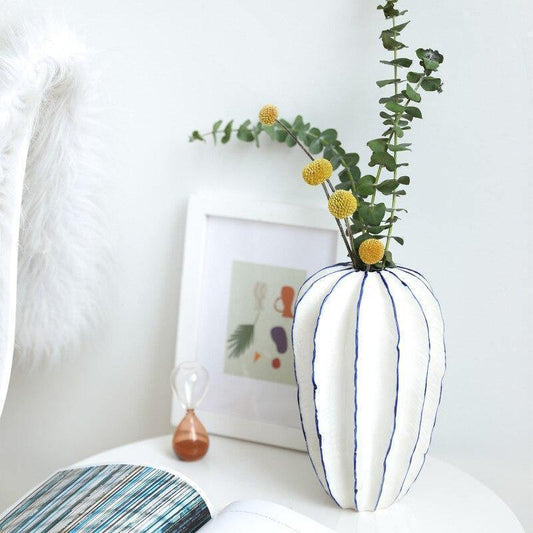
Blue and White Ceramic Vase, Short, Tall, or Pair
Regular price From $36.95 USDRegular price -
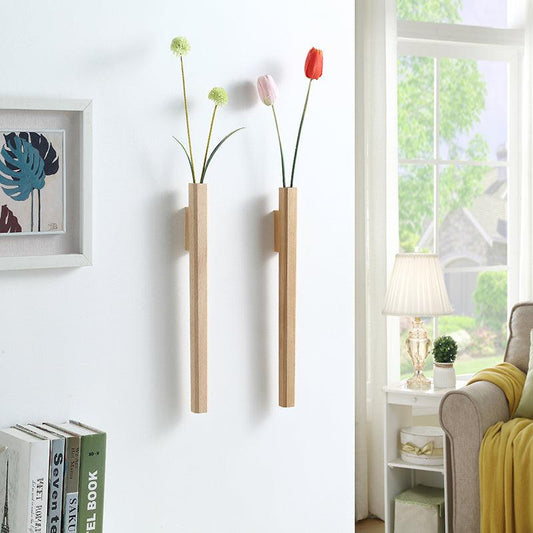
Wall Mounted Wooden Bud Vase with Glass Vial
Regular price $52.97 USDRegular price -
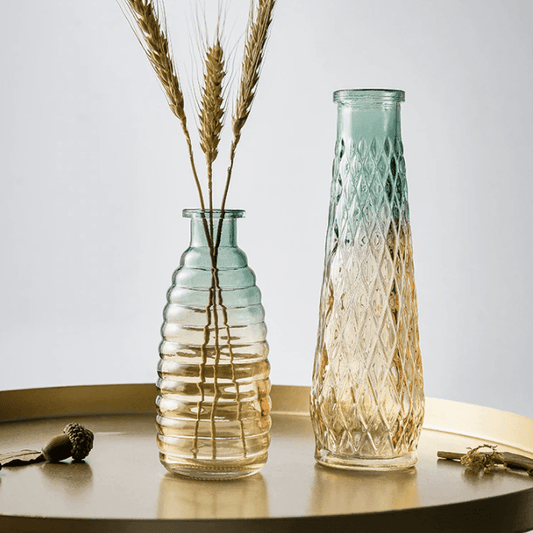
Ombre Glass Bottle Bud Vases, Singles or Full Set
Regular price From $27.97 USDRegular price -
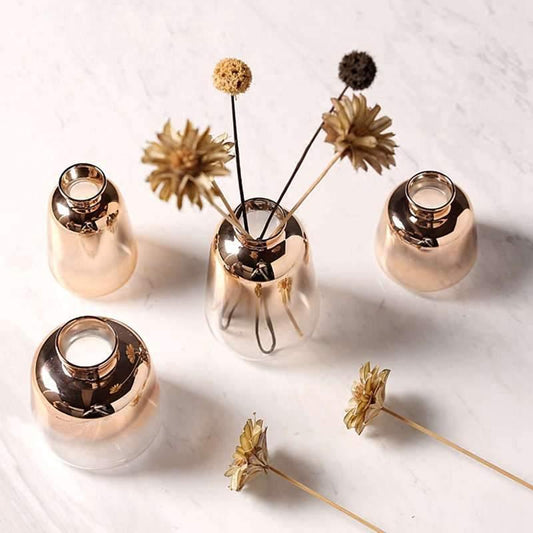
Electroplated Gold Glass Bud Vase, Solid or Gradient
Regular price From $29.00 USDRegular price -
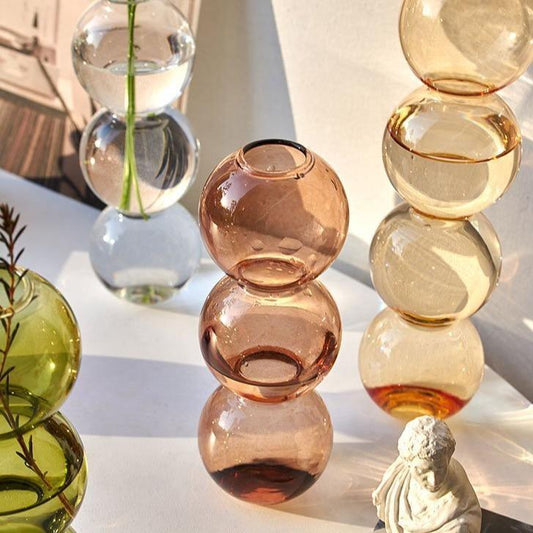
Stacked Bubble Glass Bud Vase, Three or Four Bubbles
Regular price From $29.95 USDRegular price -
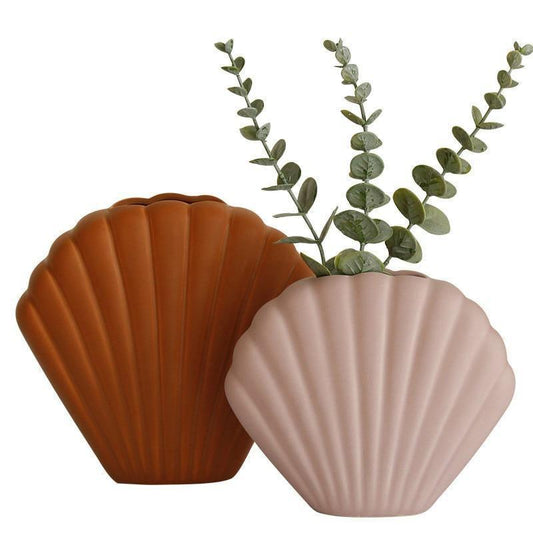
Ceramic Seashell Vase in Four Colors
Regular price From $51.97 USDRegular price -
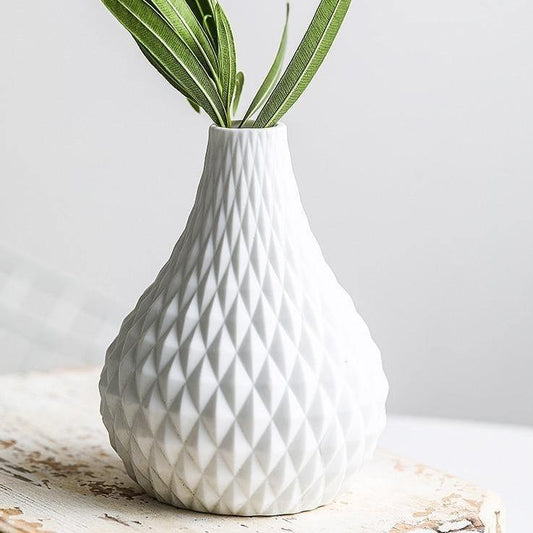
Raindrop Ceramic Bud Vase in Three Textures
Regular price $31.97 USDRegular price -
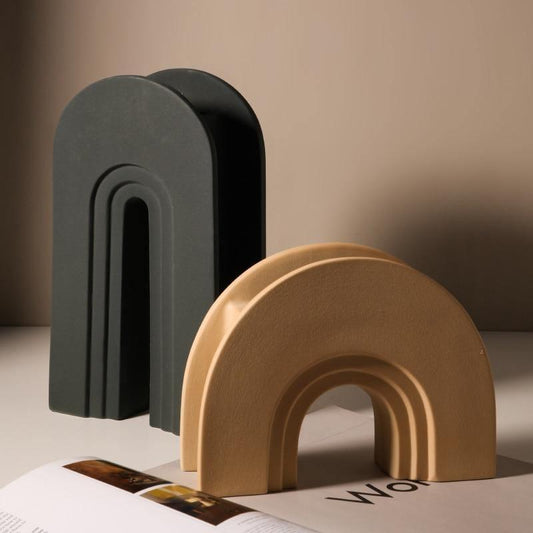
Handmade Ceramic Arch Vase, Three Sizes and Colors
Regular price From $92.97 USDRegular price -
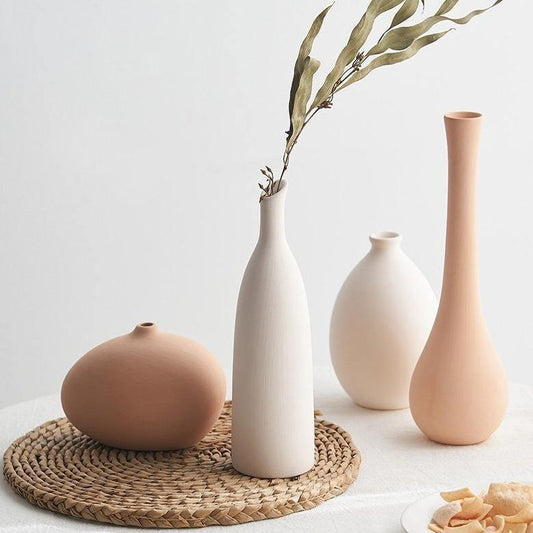
Neutral Matte Ceramic Vases, Six Shapes, Dry Use Only
Regular price From $75.97 USDRegular price -
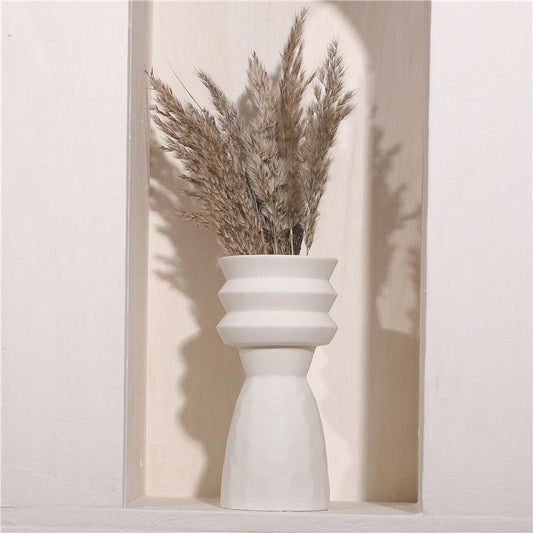
White Pottery Vase for Dried Stems, 8 in Tall
Regular price $38.97 USDRegular price -
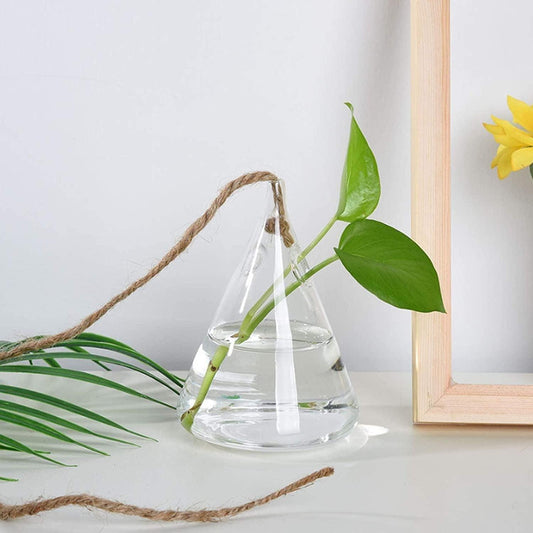
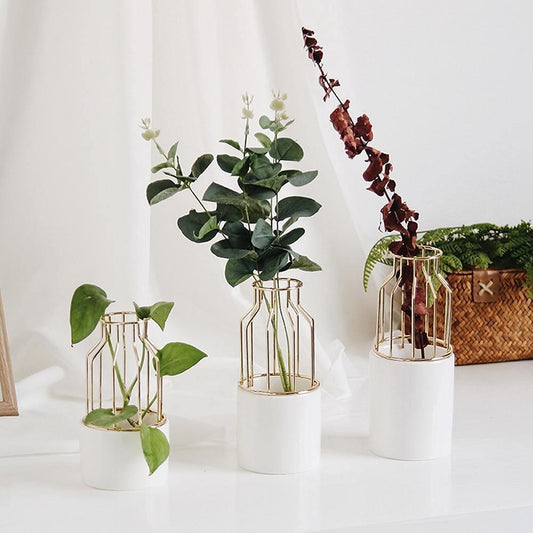
Hanging Glass Terrarium Vases, Set of 3
Regular price $35.97 USDRegular price -
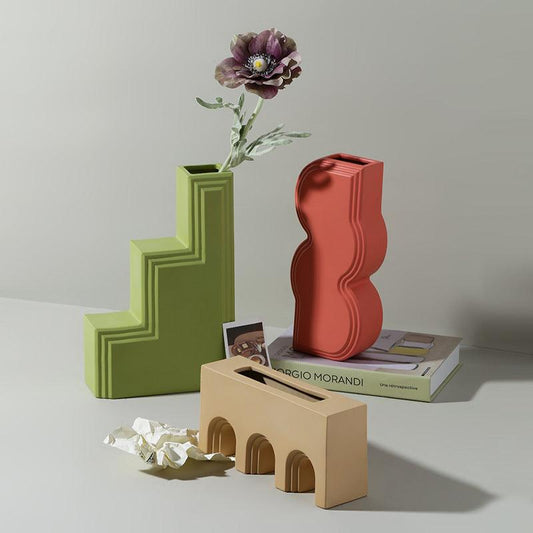
Architectural Ceramic Accent Vase, Eight Designs
Regular price From $62.97 USDRegular price -
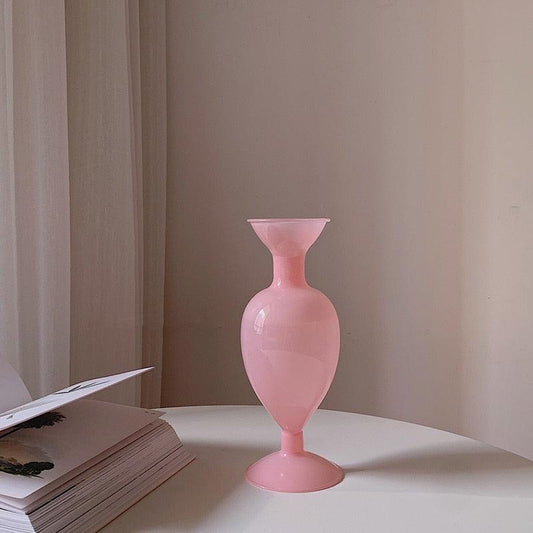
Retro Molded Glass Vase, 8.1 in Tall
Regular price From $30.00 USDRegular price -
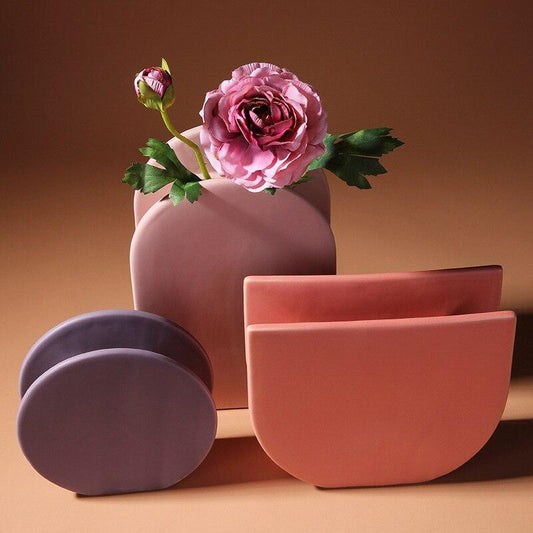
Geometric Ceramic Vases, Round, Half Moon or Arch
Regular price From $49.00 USDRegular price -
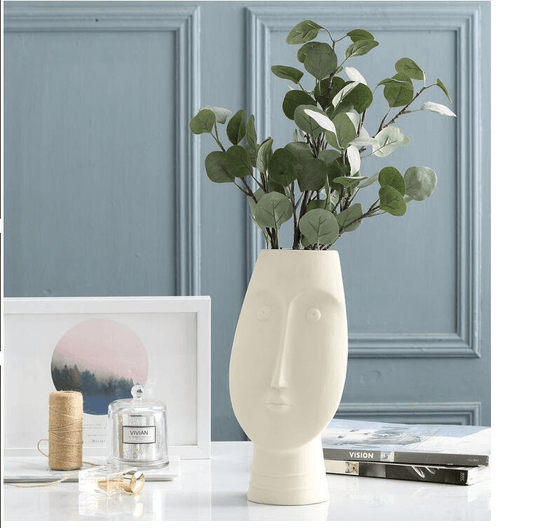
Ceramic Face Vase, Medium 9.5 in or Large 13 in
Regular price From $119.00 USDRegular price -
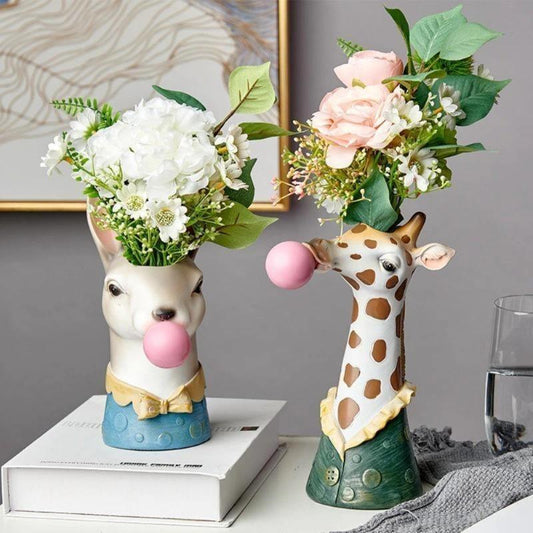
Bubblegum Animal Bust Vase in Five Styles
Regular price From $65.97 USDRegular price -
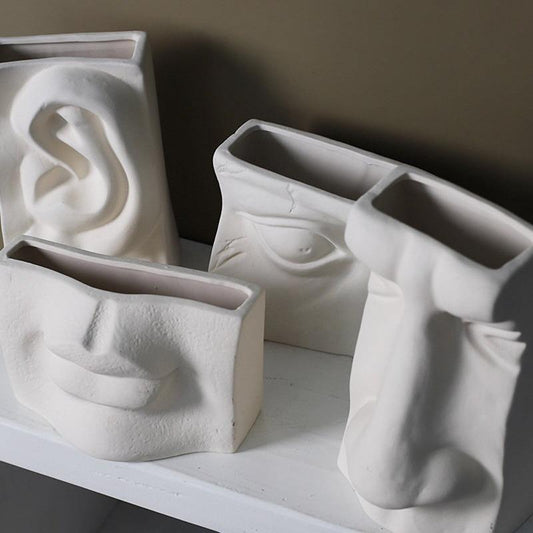
Resin Face Vase, Eye, Ear, Nose or Mouth Shape
Regular price From $58.97 USDRegular price -
Crumpled Paper Bag Porcelain Vase, 9.5 in
Regular price $104.97 USDRegular price -
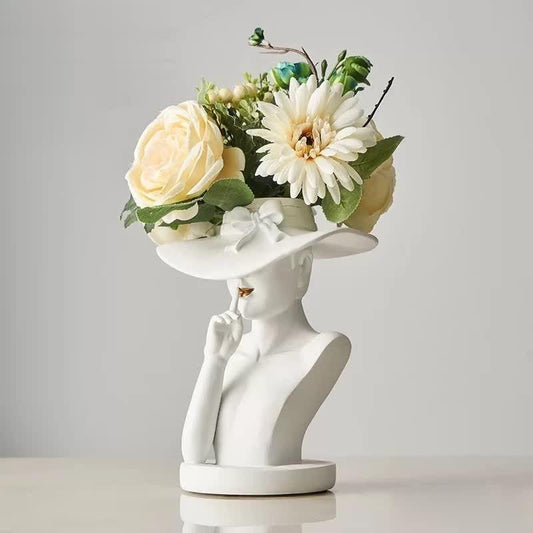
Resin Lady Head Vase with Hat Brim, 8.6 in Tall
Regular price From $82.97 USDRegular price -
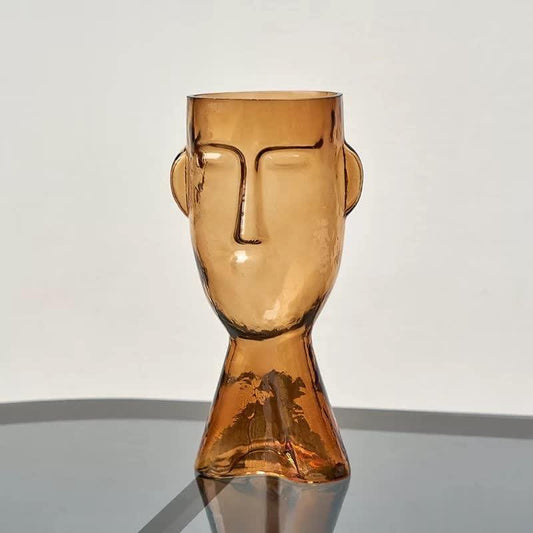
Handblown Glass Face Vase, Small 9.3 in or Large 12.5 in
Regular price From $71.97 USDRegular price -
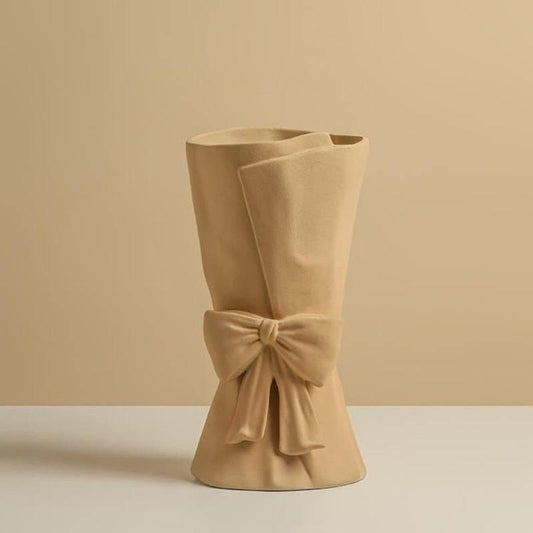
Bowknot Relief Porcelain Vase, Three Colors
Regular price $140.97 USDRegular price -
Slim Iron and Ceramic Bud Vase in Three Sizes
Regular price From $16.99 USDRegular price -
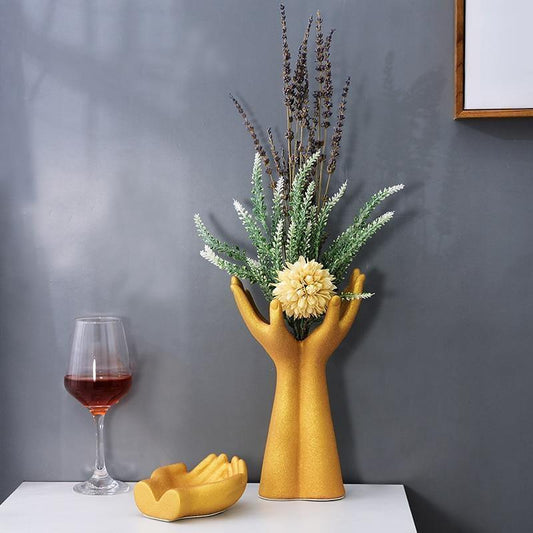
Cupped Hands Porcelain Vase, 11.5 in Tall
Regular price $93.97 USDRegular price -
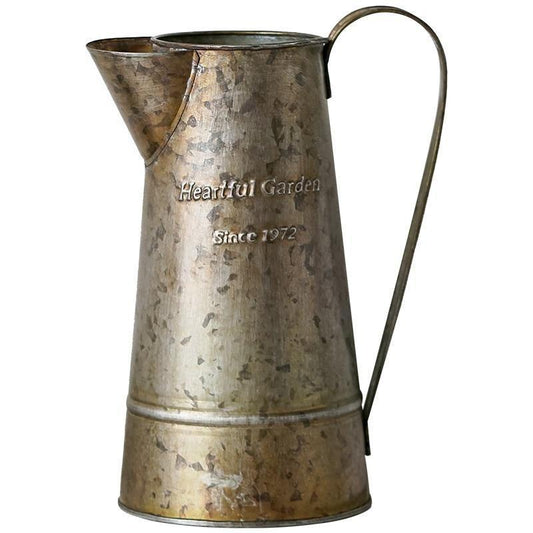
Tall Metal Pitcher Vase for Dried Stems
Regular price $65.97 USDRegular price

























The vase decides how the flowers sit
A bunch of flowers has no shape of its own. It takes the shape the vase gives it, and most disappointing arrangements are a good bunch in the wrong vessel. Two measurements do almost all of the work: the width of the neck and the height of the body.
A narrow neck gathers stems and holds them upright, which is why a single stem looks deliberate in a bud vase and lost in a jug. A wide mouth lets stems fall outward, which suits a loose supermarket bunch and ruins three tulips. Before buying, look at what you usually bring home. If it is a wrapped bunch from a shop, you want width. If it is one or two stems from the garden, you want a neck narrow enough to hold them.
Vase shapes, and what each one is actually for
Shape names get used loosely, and the same vessel is sold under three of them. What matters is the relationship between the opening and the body.
| Shape | What it does | Suits |
|---|---|---|
| Bud vase | Narrow neck, small body, holds one or two stems upright | A single flower, a cutting, a sprig of eucalyptus |
| Cylinder | Straight sides, opening as wide as the base | Long straight stems, branches, a dozen tulips |
| Bottle | Wide body, narrow neck | Three to five stems that need holding apart |
| Fishbowl or rose bowl | Round body, opening narrower than the widest point | Short stemmed roses, peonies, a dense low bunch |
| Flared or urn | Opening wider than the body | A loose bunch you want to fall outward |
| Trumpet | Narrow base, wide flared top | Tall arrangements with height above the rim |
How tall should the flowers be?
The florist rule of thumb is that the arrangement stands one and a half to two times the height of the vase, measured from the base to the top of the tallest bloom. It is a guideline rather than a law, but it explains why a bunch can look wrong without anyone being able to say why.
So a 12 inch vase carries flowers standing 18 to 24 inches overall, which means stems around 20 inches before you trim. A 6 inch vase wants blooms sitting 9 to 12 inches high. Buy the vase for the stems you actually get, because trimming down is easy and stretching a stem is not.
The exception is the low dense bowl, where the point is that nothing rises much above the rim. There the flowers sit at or just over the edge, and the ratio does not apply.
Glass, ceramic or metal
The material changes more than the look. It decides whether you see the stems, how often you have to clean it, and how much of the arrangement you are responsible for.

| Glass | Ceramic | Metal | |
|---|---|---|---|
| Stems visible | Yes, and they become part of the arrangement | No, the vessel does the work | No |
| Hides cloudy water | No, you will be changing it | Yes | Yes |
| Weight when empty | Light to moderate, tips with tall stems | Heavy, stays put | Light |
| If it falls | Breaks | Chips or breaks | Dents |
| Watertight | Always | Usually, but unglazed interiors can weep | Check for a liner or a sealed seam |
Making cut flowers last
Most of what shortens a vase of flowers happens in the first ten minutes. Bacteria block the stem, and a blocked stem cannot drink no matter how much water sits around it.
Start with a vase that is properly clean, not just rinsed. Cut each stem at an angle so the cut end never sits flat against the bottom. Strip every leaf that would sit below the waterline, because a submerged leaf rots within two days and feeds the bacteria that block the stems. Then change the water every couple of days rather than topping it up, and keep the vase out of direct sun and away from a bowl of fruit, since ripening fruit gives off ethylene and ethylene ages flowers.
Cleaning a cloudy vase
Cloudiness in a glass vase is usually two separate problems that arrived together: a mineral film left by hard water, and a bacterial film left by flowers. Detergent removes neither, which is why a vase can come out of the dishwasher still hazy.
White vinegar dissolves the mineral film. Fill the vase, leave it an hour, longer if the haze is old. For the bacterial film, add a spoonful of uncooked rice and swirl: the grains scour the inside of a narrow neck that no brush will reach. A denture tablet dropped into warm water does both at once and takes about twenty minutes, which is the least effort of the three.
If the haze survives all of that, it is etching rather than film. The glass surface itself has been eaten by minerals over years, and nothing brings it back.
A vase does not need flowers in it
Fresh stems are the most demanding thing you can put in a vase and the shortest lived. Dried grasses, bare branches in winter, a single eucalyptus stem that lasts a season: all of them read as deliberate and none of them need water.
Empty works too, if the shape is good enough to look at on its own. That is the honest test of a vase, and it is the one worth applying before you buy: does it hold its own on the shelf on the days you have not been to the market?

Common questions
How tall should flowers be in a 12 inch vase?
Aim for the whole arrangement standing 18 to 24 inches from the base, which is one and a half to two times the vase height. Buy stems around 20 inches and trim down to suit.
How tall should flowers be in a 6 inch vase?
Between 9 and 12 inches overall. Most supermarket bunches arrive far longer than that, so expect to cut a good third off the stems.
What shape of vase is best for roses?
A rose bowl or any vessel whose opening is narrower than its widest point. Roses have heavy heads on relatively weak necks, and a narrowed opening supports them instead of letting them splay outward and droop.
Why is my glass vase cloudy, and can I fix it?
It is usually mineral film from hard water combined with bacterial film from flowers. Soak in white vinegar for an hour, add uncooked rice and swirl to scour the inside, or use a denture tablet in warm water for about twenty minutes. If it survives all three, the glass is etched and cannot be restored.
How often should I change the water?
Every couple of days, and change it rather than topping it up. Topping up leaves the bacteria in place, and it is the bacteria that block the stems.
What is a bud vase for?
One or two stems. Its narrow neck holds a single flower upright, which is the only way a single flower looks intentional rather than left over. A row of three bud vases along a table works better than one larger vase for the same number of stems.
Can I use any vase for dried flowers?
Yes, and you can also use ones that do not hold water at all, which opens up unglazed ceramic and metal without liners. Keep dried stems out of direct sun, since that is what fades them.
