
Collection: Tableware
Serving pieces earn their keep on the days you have people over and the days you do not. A bowl that looks right holding fruit on a Tuesday is the one that comes out of the cupboard. Glass, ceramic and wood, in sizes that stack.

-
Mount Fuji Whiskey Glass, Handmade Japanese Tumbler
Regular price From $44.70 USDRegular price -
Star Tipped Salt and Pepper Shaker Wand
Regular price From $14.95 USDRegular price -
Skull Knife Block for Seven Knives, Hand Painted
Regular price $49.00 USDRegular price -
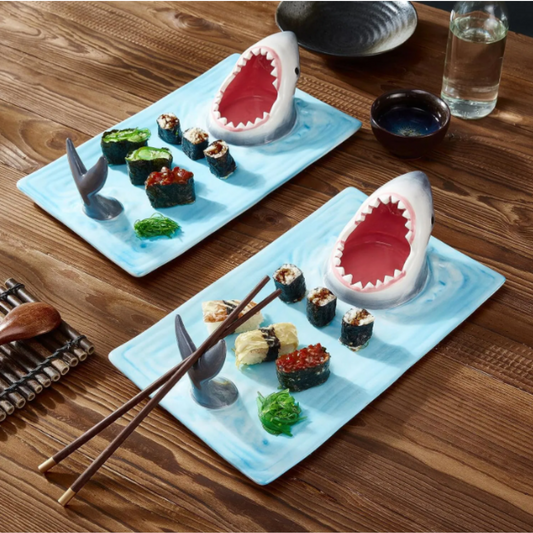
Shark Shaped Ceramic Plate with Dip Recess
Regular price $49.00 USDRegular price -
Push Button Glass Teapot with Infuser, Two Sizes
Regular price From $69.00 USDRegular price -
Double Wall Christmas Glass Mug, 10.1 oz (300 ml)
Regular price $29.00 USDRegular price -
Cocktail Smoker Kit with Wood Chips, Beech or Walnut
Regular price $49.00 USDRegular price -
Honey Dispenser with Trigger and Honeycomb Body
Regular price $29.00 USDRegular price -
Turtle Coaster with a Face That Changes Under a Cup
Regular price $19.95 USDRegular price -
Insulated Wine Tote Bag with Hidden Drink Pouch
Regular price $39.00 USDRegular price -
Octopus Charcuterie Board, 10 in Carved Wood
Regular price $44.95 USDRegular price -
Fishing Sunglasses with Polycarbonate Lenses
Regular price $69.00 USDRegular price -
Art Deco Cut Glass Cigar Ashtray with Grooved Rim
Regular price $39.00 USDRegular price -
Viking Mug with Axe Handle, Resin and Steel Lined
Regular price $39.00 USDRegular price -
Cat Shaped Wooden Charcuterie Serving Board
Regular price $39.00 USDRegular price -
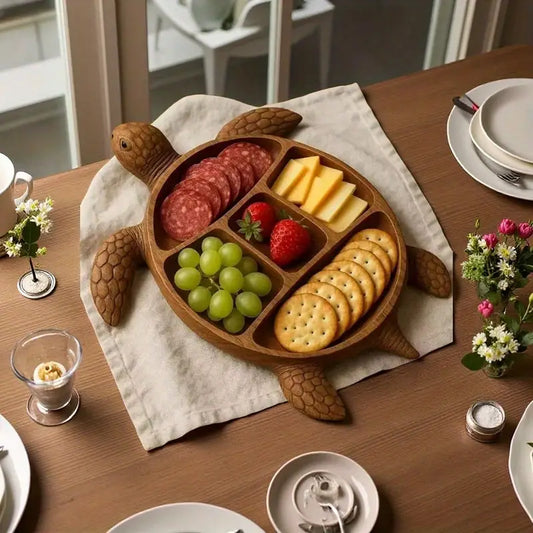
Sea Turtle Wooden Charcuterie Board with Compartments
Regular price $39.00 USDRegular price -
Faceted Wolf Head Glass Decanter, 10 oz
Regular price $39.00 USDRegular price -
Skull and Reaper Resin Mug with Steel Liner, 20 oz
Regular price $39.00 USDRegular price -
Pug Dog Glass Decanter for Whiskey and Wine
Regular price $39.00 USDRegular price -
Small Octopus Glass Decanter with Resin Base, 10 oz
Regular price $59.00 USDRegular price -
Planet Shaped Ceramic Mug: Earth, Sun, Moon or Saturn
Regular price $39.00 USDRegular price -
Five Element Ceramic Tea Cups, Set of 5 in a Gift Box
Regular price $49.00 USDRegular price -
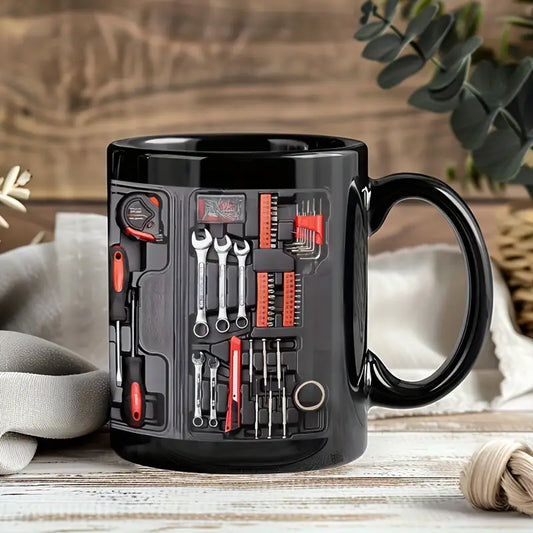
Mechanic Coffee Mug, Engine Block or Toolbox Design
Regular price $39.00 USDRegular price -
Retro Car Shaped Ceramic Coffee Mug, 11 oz
Regular price $39.00 USDRegular price


























Measure the cabinet before you choose the plates
The usual failure is not taste. It is that a stack of eight 11.5 inch (29 cm) dinner plates stands about 9 inches high and weighs close to 20 pounds, and the shelf it was bought for is 10 inches deep. The plates end up on the counter, then in a cupboard nobody opens, and the old set stays in service.
So take three measurements first: the depth of the shelf, the height between shelves, and the width of the bottom rack in your dishwasher. A plate wider than 11 inches fouls the tines in a lot of machines and has to be washed by hand, which decides whether you use it on a Tuesday.
The second decision is set or open stock. A boxed set of 16 gives you four of everything at a lower price per piece. Open stock lets you buy six dinner plates, six bowls and no side plates, which is closer to how most people actually eat, and lets you replace the one you break in a year without buying four.
Plate sizes, and why yours look empty
American dinner plates have grown about two inches since the 1960s. The same portion that filled a 9 inch plate then sits in the middle of an 11.5 inch plate now and reads as a small serving. That is worth knowing before you buy the largest option available.
Sizes are quoted as the outside diameter of the rim. The usable well is smaller, often by an inch and a half on a rimmed plate, which is why two plates listed at 11 inches hold visibly different amounts of food.
| Piece | Usual diameter | What it holds |
|---|---|---|
| Charger | 12 to 13 in (30 to 33 cm) | Nothing. It sits under the dinner plate and comes off before the food arrives |
| Dinner plate | 10.5 to 11.5 in (27 to 29 cm) | A full plate of food, with room to cut on it |
| Lunch or salad plate | 8 to 8.5 in (20 to 22 cm) | A salad, a sandwich, a plated starter |
| Dessert plate | 7 to 7.5 in (18 to 19 cm) | A slice of cake, cheese, a pastry |
| Bread or side plate | 6 to 6.5 in (15 to 17 cm) | Bread and butter, olive pits, the tea bag |
| Cereal or soup bowl | 6 to 7 in (15 to 18 cm), 16 to 20 oz | Cereal, soup, a bowl of pasta |
| Serving bowl | 9 to 10 in (23 to 25 cm), 2 to 3 quarts | Salad or vegetables for four to six people |
Porcelain, stoneware, glass or melamine
Everything about how a plate survives its first year comes from how hot the clay was fired and how thick the piece is. Porcelain is fired to around 2400 F and vitrifies, so the body itself absorbs almost no water and can be made thin. Stoneware fires lower, stays slightly more porous, and is made thicker to compensate.
| Porcelain | Stoneware | Tempered glass | Melamine | |
|---|---|---|---|---|
| Weight of one dinner plate | About 1 lb | 1.5 to 2 lb | About 1 lb | Under half a pound |
| Chipping | Resists it, and a chip shows white so it hides | Chips at the rim, and the darker clay body shows | Chips rarely, but breaks into pieces when it does | Does not chip, scratches instead |
| Microwave | Yes, unless it has a metallic rim | Yes, though it gets hot and holds it | Yes | No, it warps and can leach |
| Oven | Only if stated | Often yes, from a cold start | Only borosilicate | No |
| Cutlery marks | Shows gray metal marks on a hard white glaze | Hides them in the color and texture | Barely shows them | Marks and keeps the mark |
| Best for | Small cabinets, formal settings, thin rims | Everyday food, oven to table, a heavy hand feel | Stacking flat and going anywhere | Outdoors and children |
Wall thickness decides how long the coffee stays hot
A thin porcelain cup gives up its heat to the room in a few minutes. A thick stoneware mug with a 5 mm wall takes longer to warm through and then gives that heat back slowly, so the last mouthful is drinkable rather than cold. The trade is that the mug takes some of the heat from your coffee to warm itself, which is what rinsing it with hot water first is for.
Volume matters more than most people check. A coffee maker measures a cup as 5 fl oz, so an eight cup pot fills three 13 oz mugs and a bit. Most mugs sold as standard hold 11 to 12 oz to the brim, meaning 10 oz of usable liquid once you leave room to carry it. If you drink one big coffee rather than three small ones, look for 15 oz and check that the handle takes two fingers, since a full 15 oz mug weighs over a pound.
Turn any mug over before buying. The unglazed ring on the base is what drags across a wooden table and what grinds against the mug below it in the cupboard. A ring that has been sanded smooth is a sign somebody finished the piece properly.

Glassware: the base does the work
A rocks glass with a heavy base is not decoration. Weight low down is what stops the glass going over when a sleeve catches it, and the thickness between your hand and the drink is what keeps ice from melting at your body temperature. A thin walled tumbler of the same volume tips at half the provocation.
Three volumes cover nearly everything: 8 to 10 oz for water and highballs, 10 to 12 oz for an old fashioned or a neat pour with ice, and 5 to 7 oz for wine served properly in a glass that looks half empty. Buy stackable glasses only if you have checked that they unstack; two straight sided tumblers of the same size will wedge, and the trick that frees them is cold water in the top glass and warm water around the bottom one.
If you pour hot drinks into glass, buy borosilicate. Ordinary soda lime glass cracks from thermal shock, which is the difference between the temperature at the inside face and the outside face, not the temperature itself.

Gray marks on white plates, and how to take them off
The gray streaks that appear on white plates after a few months are not scratches in the glaze. They are metal, worn off your flatware by the harder glaze underneath and left sitting on the surface. Detergent will not shift them, which is why they survive the dishwasher and keep building up.
A mildly abrasive cleanser with oxalic acid takes them off in under a minute of rubbing with a damp cloth, and a melamine sponge does the same job more slowly. Rinse well afterward and do not use either on a gold or platinum rim, or on hand painted decoration applied over the glaze, since both sit on the surface and come off with the marks.
Real scratches are a different story. Once flatware has cut into a soft glaze, the plate holds stains in the cuts and nothing brings the surface back. Stoneware in a mid tone color hides both problems, which is a good reason to keep the bright white plates for guests and eat off something darker on a Tuesday.
What survives the dishwasher and what does not
Dishwasher safe describes the glaze, not the decoration on top of it. Anything metallic goes dull within about 50 cycles and is out of the microwave for good, because a gold rim arcs. Decals applied over the glaze fade at the edges first. Anything with a wooden lid or handle, from a salt cellar to a decanter stopper, is hand wash only, since a hot cycle dries the wood out and splits it.
Load matters as much as the setting. Plates that touch each other chip at the rim, which is where nearly all dinnerware damage starts. Leave one slot empty rather than forcing the last plate in. Put glasses over the tines rather than between them so they cannot rock, and keep silver and stainless flatware in different baskets, because the two react in the wash and pit the silver.
Stacking does the rest of the damage. Felt pads or a folded paper towel between stacked plates costs nothing and stops the foot ring grinding into the face of the plate below.
Every piece here is a measured volume
A bowl is a portion you cannot argue with. Buy 20 oz cereal bowls and you will eat a 20 oz breakfast, buy 12 oz ones and you will eat less without deciding to. The same goes for a 15 oz mug and a wine glass filled to the widest point instead of a third of the way up.
That is the honest way to choose tableware: not by which pattern photographs best, but by how much of each thing you want in front of you, and then which shape holds exactly that. Serving bowls at 2 quarts feed four. Plates at 10.5 inches make a normal dinner look like dinner. Pick the volumes first and the collection assembles itself.
Common questions
What size is a dinner plate?
In the US, 10.5 to 11.5 inches (27 to 29 cm) across the rim is the standard range, with 10.5 the most common. Restaurants often go to 12 inches to leave a wide empty border around plated food. Anything above 11 inches struggles in a dishwasher rack and in a shallow cabinet, so measure both before ordering.
What are the disadvantages of stoneware?
Weight and rim chips are the two real ones. A stoneware dinner plate runs 1.5 to 2 pounds, so a stack of eight is heavy to lift down from a high shelf and harder on a wrist than porcelain. The clay body is coarser and slightly porous, so a chipped rim shows a darker patch that stains rather than staying white. It also holds heat, which is useful from the oven and a nuisance when a microwaved bowl is too hot to carry.
What is the best material for everyday dishes?
Stoneware for most households. It takes the oven, the microwave and the dishwasher, its color and texture hide flatware marks that show up on white porcelain within months, and the extra thickness survives being stacked wet. Choose porcelain instead if your shelves are tight or you lift the plates a long way down, since it does the same work at around half the weight.
What is the most durable type of dinnerware?
Vitrified porcelain of the kind sold for restaurant use, usually described as fully vitrified with a rolled or reinforced edge. It is fired hot enough to be effectively non porous, and the thickened rim absorbs the knocks that break ordinary plates. Tempered glass is close behind for chip resistance, with the caveat that it fails all at once rather than chipping. Melamine survives being dropped on tile and nothing else, so it belongs outdoors.
Do restaurants use porcelain or ceramic plates?
Almost always vitrified porcelain, which is a type of ceramic rather than an alternative to it. The reasons are practical: it does not absorb water or odors, the rolled edge takes stacking abuse, and it can be replaced piece by piece from open stock for years. The weight is deliberate too, because a heavy plate feels considered and does not slide on a tray.
Are scratched plates dangerous?
Surface scratches in a fired glaze are not a health problem in themselves, and neither are the gray flatware marks that look like scratches. The concern is deeper damage: a cracked or crazed glaze holds food residue in the cracks where washing does not reach, and any chip on old or imported ware with an unknown glaze exposes the clay body underneath. Retire anything that is visibly crazed or chipped through the glaze, and keep it for plant saucers instead.
How do you prevent silverware marks on dishes?
Choose a harder glaze and a darker color. The marks are metal worn off the flatware onto the plate, so a soft glaze collects more of them and a bright white surface shows every one. Stoneware in a mid tone or a speckled finish hides them almost completely. Cleaning them off every couple of months with an oxalic acid cleanser stops the buildup from setting in, and stainless flatware with polished rather than brushed edges leaves less behind.
