
Collection: Storage
Storage that stays out has to be worth looking at, which rules out most of it. Baskets, bins and trays for the things that are actually in the way: keys, remotes, the cable drawer that has no drawer. Wood, bamboo, ceramic and woven.

-
Small Hand Woven Rattan Storage Basket for Desks
Regular price $24.97 USDRegular price -
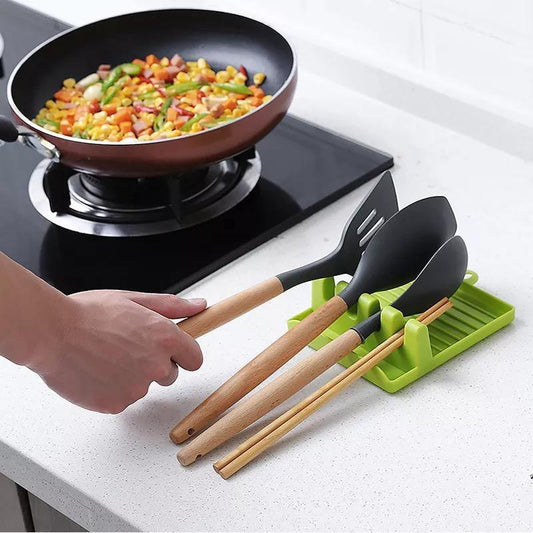
Silicone Utensil Holder with Four Slots and Drip Base
Regular price $25.97 USDRegular price -
Resin Dog Catchall Dish with Gold Sunglasses
Regular price $124.97 USDRegular price -
Square Wood Serving Tray in Rustic White, Three Sizes
Regular price From $31.97 USDRegular price -
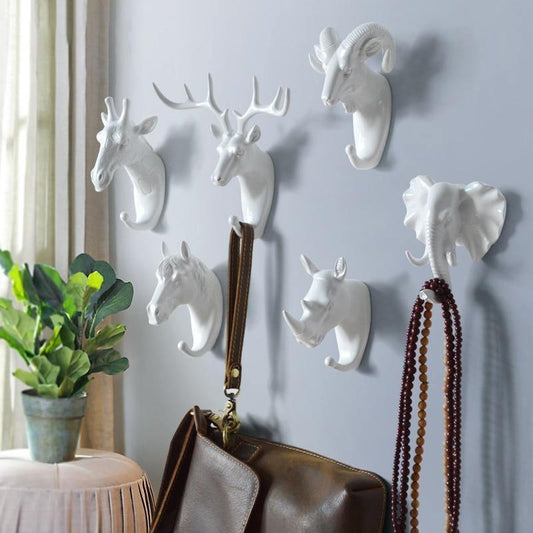
Animal Head Wall Hooks in Resin, Six Animals
Regular price $27.97 USDRegular price -
Octopus Mug Holder in Cast Resin, Holds 8 Mugs
Regular price $54.00 USDRegular price -
Six Tier Narrow Shoe Rack, Tool Free Assembly
Regular price $39.95 USDRegular price -
Two or Three Tier Fruit Stand with Wooden Handle
Regular price From $49.00 USDRegular price -
Dog Shaped Car Tissue, Trash and Storage Box
Regular price $24.95 USDRegular price -
Skull Tray with Perched Raven, Aged Finish
Regular price $39.00 USDRegular price -
Suction Mounted Bathroom Shelf, No Drilling
Regular price $39.00 USDRegular price -
No Drill Suction Shower Caddy, Small or Large
Regular price From $39.00 USDRegular price -
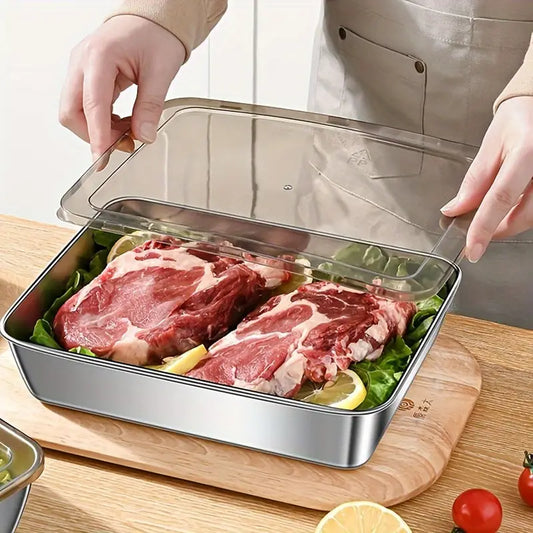
3 Piece Stainless Steel Food Storage Container Set
Regular price $39.00 USDRegular price -
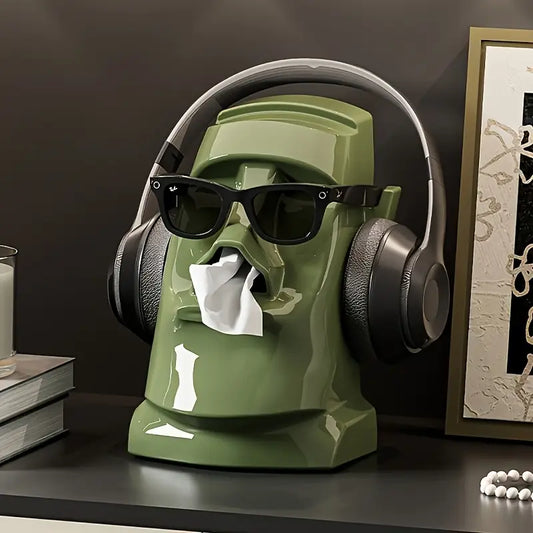
Moai Head Tissue Box and Desk Storage in Resin
Regular price $39.00 USDRegular price -
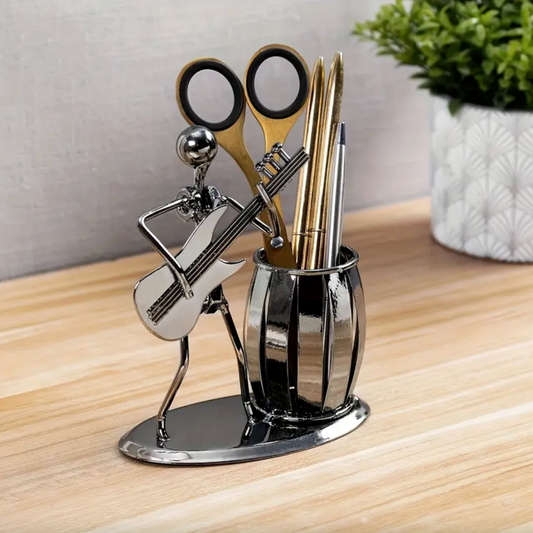
Metal Guitarist Pen Holder with Barrel Cup
Regular price $39.00 USDRegular price -
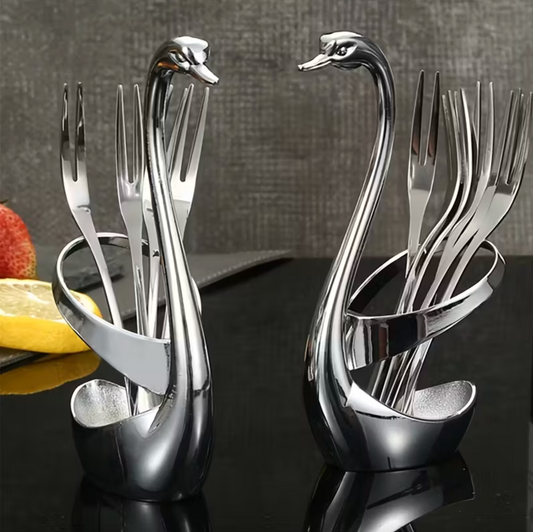
Swan Shaped Stainless Steel Cutlery Holder
Regular price $49.00 USDRegular price -
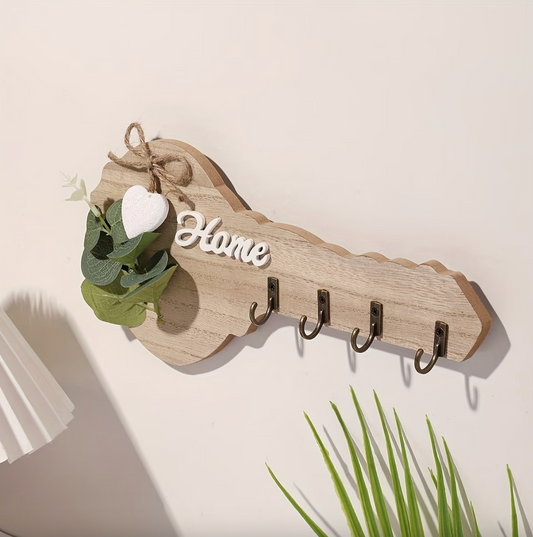
Key Shaped Wooden Wall Rack with Four Hooks
Regular price $39.00 USDRegular price
















Storage does not create space, it moves the problem
The usual order of events is backward. People buy the bins first, get them home, discover the bins hold less than the pile did, and end up with the pile plus six empty containers on the floor. A container only helps once you know what is going in it and where it will live.
So work in that order: decide what stays, then measure the space, then buy. A standard closet shelf is 11.5 to 12 inches (29 to 30 cm) deep and a kitchen cabinet is around 22 inches deep with only the front 11 inches reachable without emptying the shelf. Anything deeper than what your arm will comfortably reach becomes long term storage whether you meant it that way or not.
Three measurements settle nearly every purchase: shelf depth, the clear height between shelves, and the width you can fill without the door catching. Take them with a tape measure rather than by eye, because a 12 inch basket on an 11.5 inch shelf overhangs just enough to knock off every time you pass.
See through or opaque, and what it costs you
Glass tells you what is inside and how much is left, which is why pantry staples belong in it. You see the flour running low before the morning you need it, and you never open three canisters looking for the lentils. The trade is that light degrades some contents: ground spices, chili flakes, coffee and anything green fade and lose flavor on a sunny counter within a couple of months.
Opaque ceramic and metal protect the contents and hide the mess, and both require labels. An unlabeled row of matching canisters is how a household ends up with two containers of baking soda and none of baking powder. Write the contents and the date the bag was opened, because that date is the only thing that tells you whether the flour is six weeks or six months old.
Split the difference by container, not by rule. Glass for what you use weekly and want to see, opaque for what light would ruin, and a small clear jar at the front of the shelf for whatever you are always hunting for.

Airtight is a gasket, not a claim
A wooden or bamboo lid sitting on a glass rim is not airtight on its own. What makes it airtight is the silicone ring underneath, and you can check it in the shop: press the lid down and it should resist slightly, then release with a small sigh. No ring means the jar is a nice looking dust cover, fine for pasta and useless for coffee.
Size the jar to the bag you actually buy. A 5 lb bag of all purpose flour fills about 4.5 quarts (4.3 L), which is larger than most canisters sold as large, so the usual outcome is a jar that takes two thirds of the bag and a half open paper sack left in the cupboard. Buy the volume that swallows the whole bag or accept that you are decanting twice.
One habit prevents the worst pantry problem: put new bags of flour, rice and cornmeal in the freezer for 48 hours before decanting. Pantry moth and weevil eggs arrive in the bag from the mill, and freezing kills them before they hatch into everything else on the shelf.
| Staple | What it wants | How long it holds |
|---|---|---|
| All purpose flour | Airtight glass or ceramic, 5 quart | 6 to 8 months in a cool cupboard |
| Whole wheat flour | Airtight, then the freezer | 3 months at room temperature, a year frozen |
| Rice and dried pasta | Airtight, light is not an issue | 1 to 2 years |
| Whole coffee beans | Opaque and airtight, at room temperature | 2 to 4 weeks from the roast date |
| Brown sugar | Airtight with a damp terracotta disc | Indefinite, it hardens rather than spoils |
| Nuts and seeds | Airtight, in the refrigerator | 3 months in the pantry, 6 months cold |
| Ground spices | Opaque, away from the stove | 6 to 12 months before they taste like dust |
Woven baskets, and where they fail
A woven basket is the only storage that looks better as it ages and the only one that can grow mold. Seagrass and water hyacinth are dried plant fiber, so a basket left damp in a bathroom or a laundry room develops a musty smell that no amount of drying removes.
Rigidity is the other thing to check before you buy. A basket that collapses when empty cannot be lifted off a shelf by one handle with anything in it, and a basket with a wire or rattan frame will hold its shape for years. Weave tightness decides what it can hold: a loose weave lets fine things fall through and snags knitwear on the way out.
| Seagrass or rattan | Cotton rope | Felt or fabric | Plastic or metal | |
|---|---|---|---|---|
| Empty, it holds its shape | Yes | Slumps unless it is stiffened | Collapses, folds flat | Yes |
| Damp rooms | No, it molds | Only if you can wash it | Washable, dries slowly | Yes |
| Against knitwear | Snags, line it first | Safe | Safe | Safe |
| Cleaning | Vacuum, then a barely damp cloth | Machine wash cold, air dry | Machine wash cold | Wipe or hose down |
| Stacks when not in use | Nests inside a larger one | Nests | Folds to nothing | Nests or stacks |
Hooks hold weight three different ways
Adhesive hooks fail in a predictable way, and it is almost always the wall rather than the hook. The strips need a nonporous surface, so they hold on tile, sealed paint and finished wood, and they let go on textured paint, brick, wallpaper and anything with a matte chalk finish. Wipe the spot with rubbing alcohol rather than a household cleaner, since cleaners leave a film the adhesive cannot bond through, and wait an hour before hanging anything.
The rating on the pack is a straight down load, and it assumes the object sits flat against the wall. Most large adhesive hooks are rated 5 to 7.5 lb, heavy duty strips reach 16 lb, and a hook that swings or pulls outward, like a coat that gets tugged, sees several times the load its weight would suggest. Anything over about 10 lb belongs on a screw.
For screws, a drywall anchor is not optional. A screw in bare drywall pulls out at a few pounds, a plastic expansion anchor holds around 20 to 30 lb in shear, a self drilling metal anchor holds 50 or more, and a screw into a stud holds far more than the hook will. Find the stud if the thing you are hanging matters.

A tray is storage that admits it
Nothing on a kitchen counter or a coffee table gets tidier by being arranged. It gets tidier by being contained. Oil, salt, pepper and a bottle of vinegar scattered across a counter read as clutter; the same four objects on a 14 inch tray read as one thing, and the counter around them can be wiped in a single pass.
The same logic runs the entry table, the bathroom shelf and the desk. Give every group of small objects an edge, and the edge does the work you were expecting willpower to do. It also makes the group liftable: a tray of bathroom bottles clears the shelf in one motion.
Cleaning what you store things in
Glass and ceramic canisters need to be bone dry before refilling. A jar rinsed and refilled while still damp gives you a clumped bottom layer of flour or sugar within a week, and that layer holds enough moisture to spoil the rest. Wash, then leave upside down overnight.
Wooden and bamboo lids never go in the dishwasher. A hot cycle dries out the wood, splits it across the grain and swells the silicone ring so it stops sealing. Wipe them with a damp cloth and rub in a little food safe mineral oil twice a year.
For a woven basket that has picked up a smell, vacuum it with a brush attachment, wipe with a cloth wrung out in water with a little dish soap, and dry it outdoors in shade rather than direct sun, since sun makes natural fiber brittle. A basket with visible mold is finished; the spores sit inside the fiber where nothing you can safely use will reach them.
You are buying an amount, not a box
Every container on this page is a decision about quantity. A 5 quart jar says you buy flour by the 5 pound bag. A pair of 12 inch baskets on a closet shelf says you keep two loads of spare bedding and no more. The container does not organize anything; the size you chose sets a limit and then holds you to it.
Which is the useful way to shop for storage. Not by how much you own now, since that number only goes up if you let it, but by how much you intend to keep. Buy the volume, and the sorting follows.
Common questions
What is the best basket for storage?
For open shelving, a rigid seagrass or rattan basket that holds its shape empty and can be pulled out by one handle. For a closet or a wet room, a washable cotton rope or fabric bin, since natural fiber molds where there is humidity. Match the depth to the shelf rather than buying the largest that fits the space, because a basket deeper than your reach turns into a place things disappear into.
How to choose the right storage container?
Start with the space, not the contents. Measure shelf depth, clear height and usable width, then subtract half an inch on each dimension so the container slides rather than scrapes. After that, decide whether you need to see inside, which settles glass against opaque, and whether the contents need an airtight seal, which means checking for a silicone gasket. Buy two of the size that fits before buying eight.
How to store baskets when not in use?
Nest them. Baskets of the same shape in graduating sizes stack inside each other and take up the footprint of the largest, which is the main argument for buying a set rather than singles. Fabric and felt bins fold flat and slide under a bed or behind a wardrobe. Store natural fiber somewhere dry and off a concrete floor, because concrete wicks moisture upward and that is enough to start mold in seagrass.
Is it better to store flour in glass or plastic containers?
Glass, for two reasons. It does not absorb oil from the flour or hold odors from whatever was in it last, and it lets you see the level and any sign of infestation without opening the lid. Plastic is lighter and will not shatter, which matters on a high shelf, but it stains and scratches, and scratches hold residue. Either way, the seal does more work than the material: a gasket lid on plastic beats a loose lid on glass.
What is the best container to store flour to keep it fresh?
An airtight glass or ceramic canister with a silicone gasket, big enough to take the whole bag, kept in a cupboard away from the stove. Around 5 quarts holds a 5 lb bag with room to get a scoop in. Freeze the bag for 48 hours before decanting to kill weevil eggs, and let it come back to room temperature before opening so condensation does not form inside.
How long can flour last in a container?
All purpose white flour holds 6 to 8 months in a cool cupboard and about a year in the freezer. Whole wheat and other whole grain flours last around 3 months at room temperature, because the oil in the germ goes rancid rather than the starch going bad. Smell is the reliable test: fresh flour smells of almost nothing, and old flour smells faintly of oil paint or crayon. Label the jar with the date you opened the bag, since flour gives no visual warning.
How much weight can adhesive wall hooks hold?
Most large adhesive hooks are rated 5 to 7.5 lb, and heavy duty strips go to about 16 lb, but only on a smooth nonporous wall with the load hanging flat against it. They hold far less on textured paint, brick, wallpaper or matte chalk finishes, and a load that swings outward multiplies the force on the bond. Clean the wall with rubbing alcohol, press for 30 seconds, and wait an hour before loading. Above roughly 10 lb, use a screw and a drywall anchor instead.
